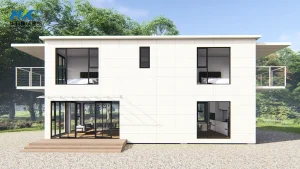
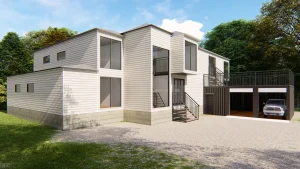
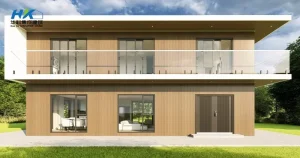
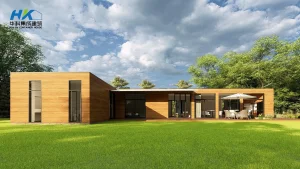
Explore our premium architectural designs configured specifically for Chisinau's climate, structural code compliance, and commercial zones.
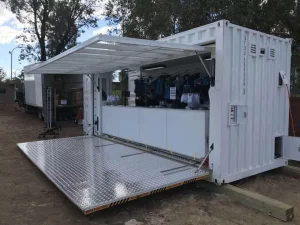
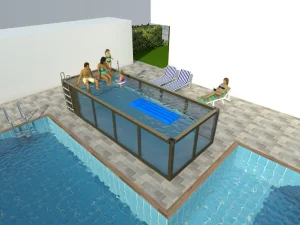
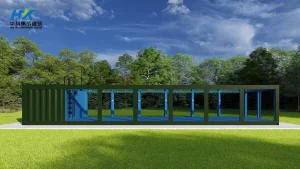
Designed for the urban plazas and commercial districts of Chisinau. This 20ft expandable structural design offers complete hydraulic deployment, optimized thermal insulation, and double-glazed storefront panels.
View Details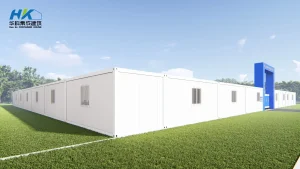
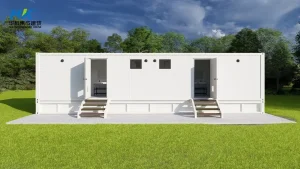
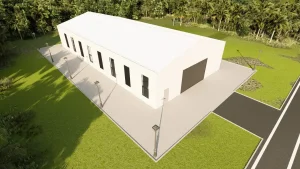
A space-optimized, micro-living residential system engineered for suburban land parcels in Moldova. Features a factory-integrated steel frame structure, high durability walls, and low-E glazing systems.
View Details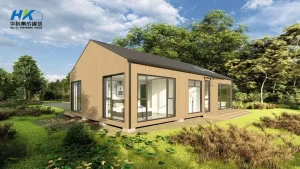
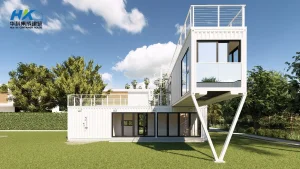
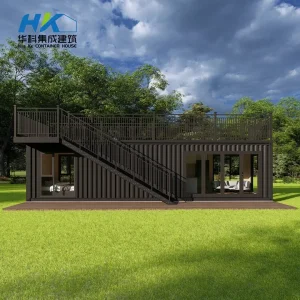
Modern multi-container design combining structural resilience with ecological roofing options. Fully configured for Moldova's local environmental codes, offering broad architectural layouts.
View Details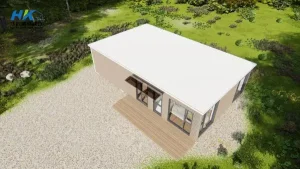
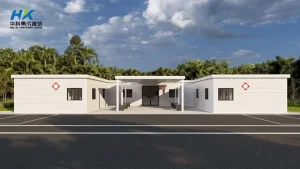
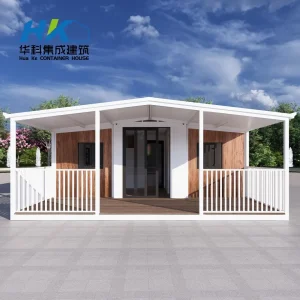
A complete turn-key solution showcasing a spacious 2-bedroom, 1-bathroom interior layout. Features polyurethane sandwich panel thermal insulation, integrated electrical runs, and luxury finishing.
View DetailsThe urban landscape of Chisinau, the capital of Moldova, is undergoing an architectural transition. Faced with volatile material costs, localized labor shortages in traditional trades, and the urgent demand for climate-resilient buildings, forward-thinking developers are turning to industrialized off-site manufacturing. Shipping container homes and modular steel-frame architecture represent the frontier of this shift.
For decades, traditional construction in Eastern Europe has relied on brick, mortar, and cast-in-place concrete. While structurally robust, these traditional systems suffer from lengthy assembly timelines, high environmental waste, and vulnerability to winter weather disruptions. By shifting the bulk of structural fabrication to high-precision manufacturing facilities, construction projects in Chisinau can compress deployment timelines by up to 50%, while securing highly predictable thermal and structural characteristics.
Furthermore, because Chisinau is positioned within close proximity to major logistical hubs linking Eastern Europe to EU transit corridors, modular systems serve as an excellent vehicle for scalable infrastructure. Containerized building elements are easily transported, rapidly connected, and represent a fraction of the carbon footprint of traditional concrete frameworks.
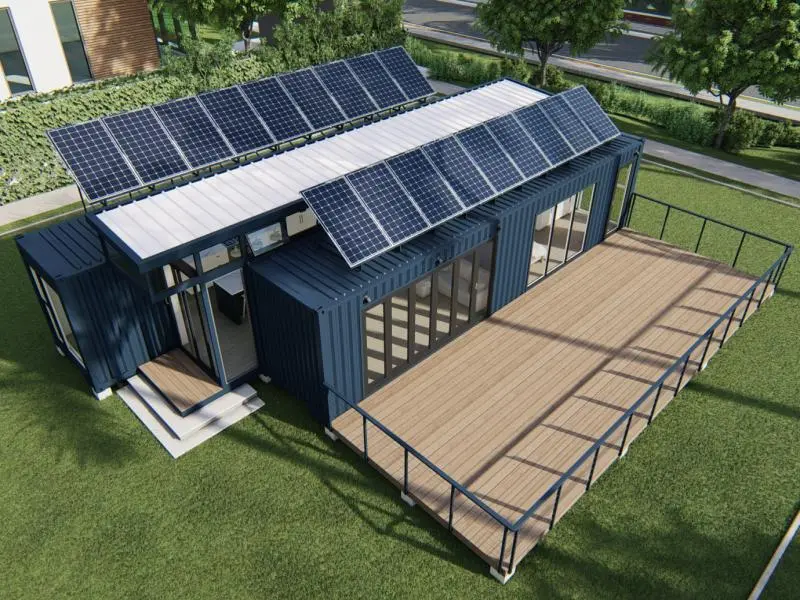
Any building constructed or imported into Chisinau must comply with Moldovan national building standards (Normative în Construcții - NCM) which are increasingly aligned with European Union Eurocodes. Two critical structural challenges dictate the engineering profiles of container homes in this region:
By leveraging factory-controlled processes, these complex layered wall assemblies are built with strict quality control, avoiding the risk of moisture trapping or insulation sagging that frequently occurs with manual field-installations.
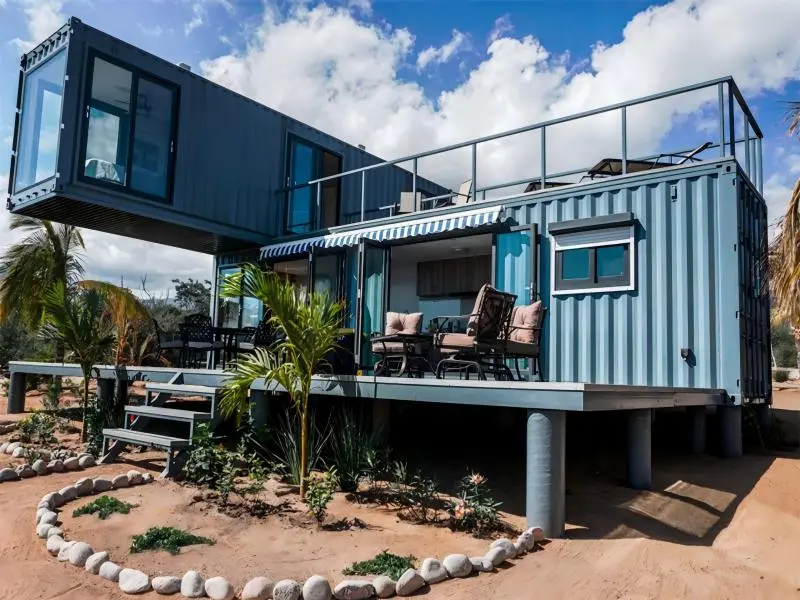
Why sourcing engineered modular components from Jiangxi Huake Prefab Building Co., Ltd. provides unmatched cost-to-performance efficiency for Chisinau developers.
For B2B buyers, municipal authorities, and private real estate firms in Chisinau, importing modular container components directly from premier Chinese manufacturing hubs provides critical advantages. Jiangxi Huake Prefab Building Co., Ltd. offers over a decade of deep engineering expertise, deploying high-capacity automated cutting, welding, and anti-corrosion coating lines that local workshops in Eastern Europe cannot match.
Every modular chassis features premium hot-dip galvanized steel frames, designed to resist corrosion for a design service life exceeding 50 years. This industrial capability is coupled with deep custom engineering: from embedded plumbing and pre-certified electrical systems to high-performance low-emissivity double glazing. By utilizing Chinese supply chains, developers gain access to economies of scale, superior raw materials, and robust quality control certifications.
Engineered modular elements manufactured in our ISO-compliant facility, ready for rapid mobilization and site installation.
A data-backed comparative analysis of construction methods within the municipal context of Chisinau.
| Performance Indicator | Traditional Concrete / Brick | Jiangxi Huake Prefabricated Modular | Strategic Impact for Chisinau |
|---|---|---|---|
| Erection Speed | 120 - 180 Days (average) | 15 - 30 Days | Enables rapid market entry and minimal community disruption. |
| Seismic Performance | Medium / Brittle without heavy reinforcing | Excellent ductility (flexible steel chassis) | Mitigates high-seismic risks associated with Vrancea zone. |
| Thermal Insulation U-Value | Variable depending on field labor | Pre-engineered < 0.24 W/m²K | Lowers heating bills during severe winters. |
| On-site Waste Generation | High (approx. 15-20% material waste) | Minimal (< 2% on-site construction waste) | Ensures compliance with urban environmental codes. |
| Relocability | 0% (permanent structure) | 100% (crane-liftable modules) | Crucial for temporary land use leases. |
Discover how municipal, commercial, and private buyers deploy modified container elements to achieve operational efficiency.
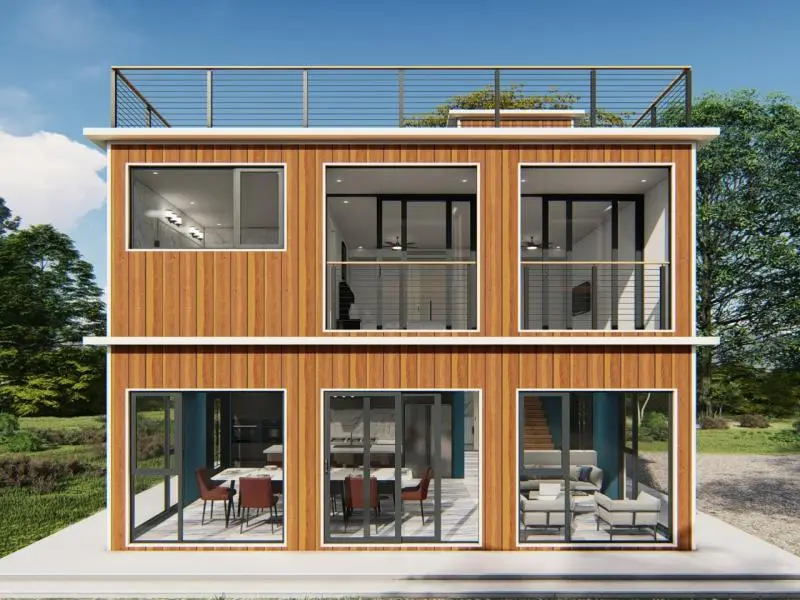
Designed to address the high rental costs in Chisinau's city center. These structural modules can be deployed overnight on leased parking lots or public spaces, functioning as dynamic coffee shops, boutique stores, or information kiosks.
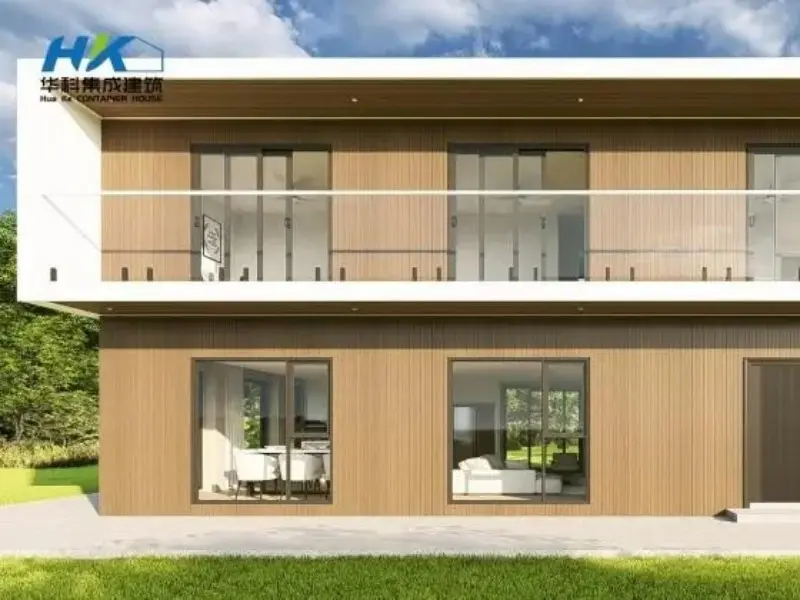
Moldova's winery destinations require premium, visually striking visitor suites. Prefabricated luxury container modules blend into rural terrains, providing guests with high-end, eco-friendly comforts while preserving local soils.
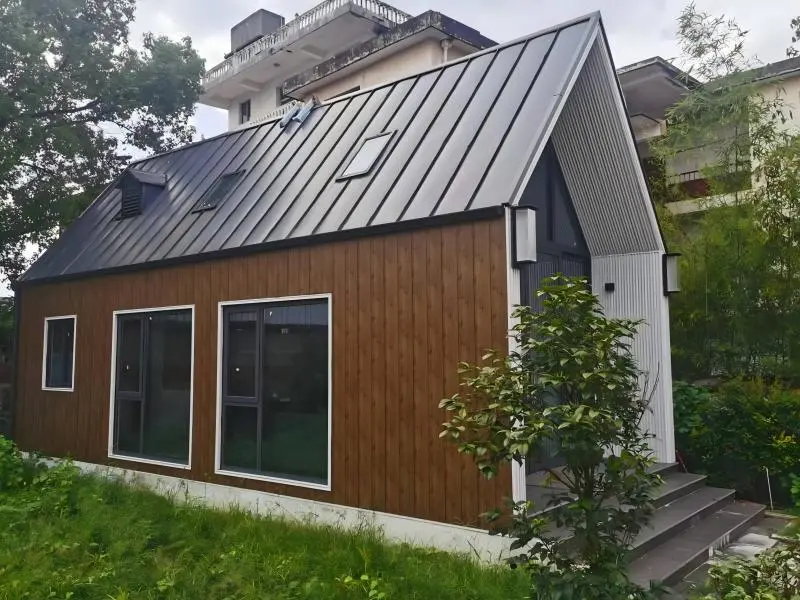
From logistics complexes near the Giurgiulești Free Port route to local manufacturing zones in Chisinau. These structural units serve as rugged site offices, housing command units, and auxiliary electrical shelters.
A step-by-step framework for managing sea-and-land transit, customs clearances, and foundation prep in Moldova.
Modular units are shipped from Chinese ports as either standard SOC (Shipper Owned Containers) or flat-packed bundles. The primary ocean route runs via the Black Sea to the Port of Constanta (Romania). From Constanta, cargo is transported by truck directly to the Chisinau customs terminal, avoiding the need for non-standard rail gauge transfers.
Import declarations are filed at Moldovan customs using HS Code 940690 (Prefabricated Buildings). Import duties are calculated based on the invoice value, with preferential treatment options depending on specifications. Our logistics team provides certified structural manifests, layout drawings, and CE electrical declarations to expedite local regulatory clearance.
Unlike traditional foundations, container houses require minimal excavation. We recommend reinforced concrete pier footings or modern screw pile systems. These methods anchor the unit's corner castings, preventing water accumulation beneath the chassis and protecting against ground frost heave.
Once placed on-site via crane, structural modules are secured using industrial twist-locks or anchor plates. Expansion zones are sealed with weather-resistant EPDM gaskets and closed-cell polyurethane backer foam. Plumbing and power connections are then linked to local utility lines, creating a fully operational structure.
Review the comprehensive technical parameters of our structural units, fully adaptable for Moldovan planning conditions.
Explore our additional specialist layouts and custom fabrications, engineered to complement comprehensive project developments.
Learn more about quality control standards, material innovations, and the environmental benefits of prefabricated steel structures.
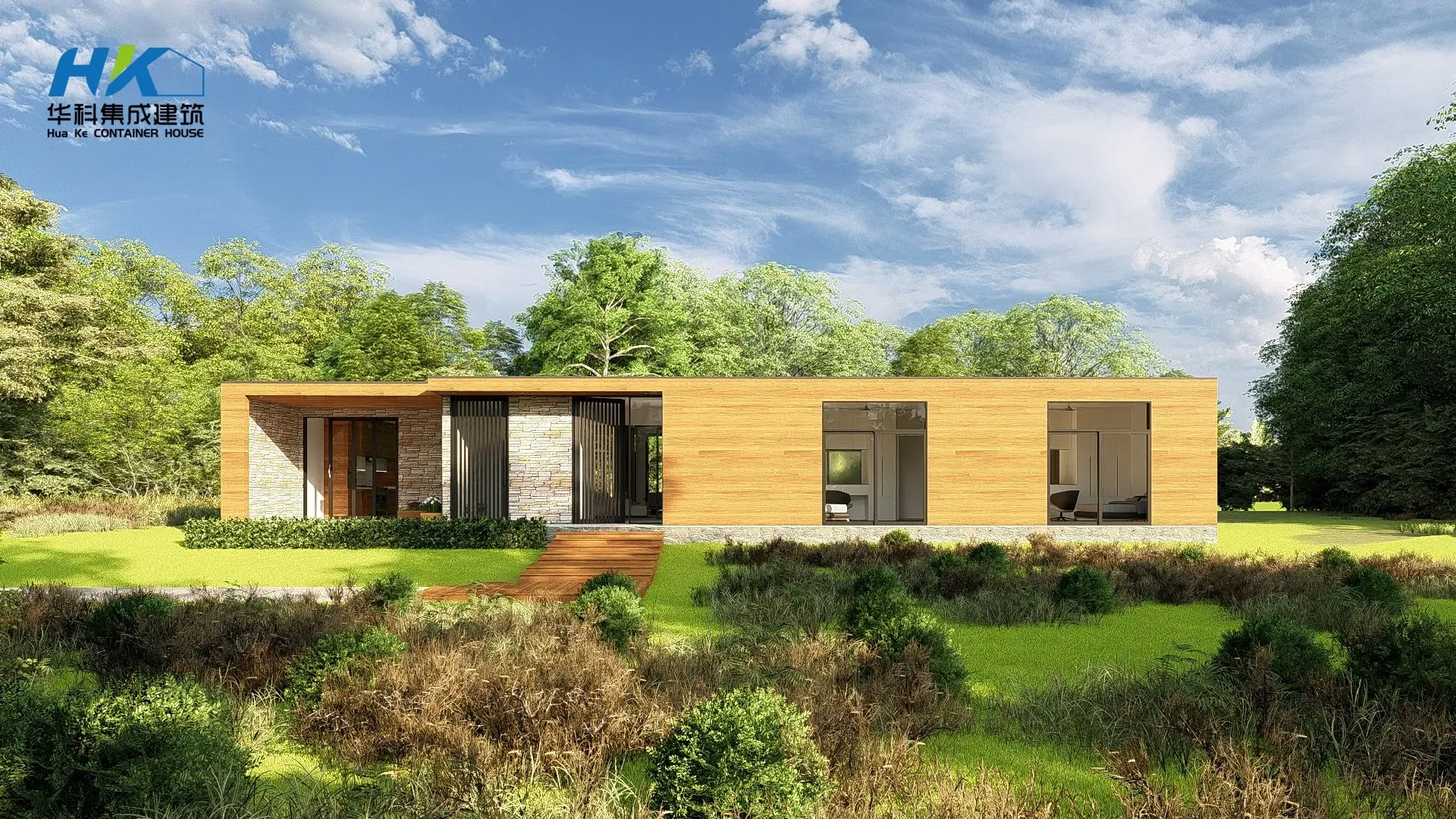
Exterior cladding does more than improve a building's appearance. It forms a critical weather barrier that shields the underlying steel frame from rain, snow, wind, and UV rays. Incorporating high-durability composite paneling helps prevent moisture ingress, reduces thermal bridging, and lowers long-term building maintenance costs.
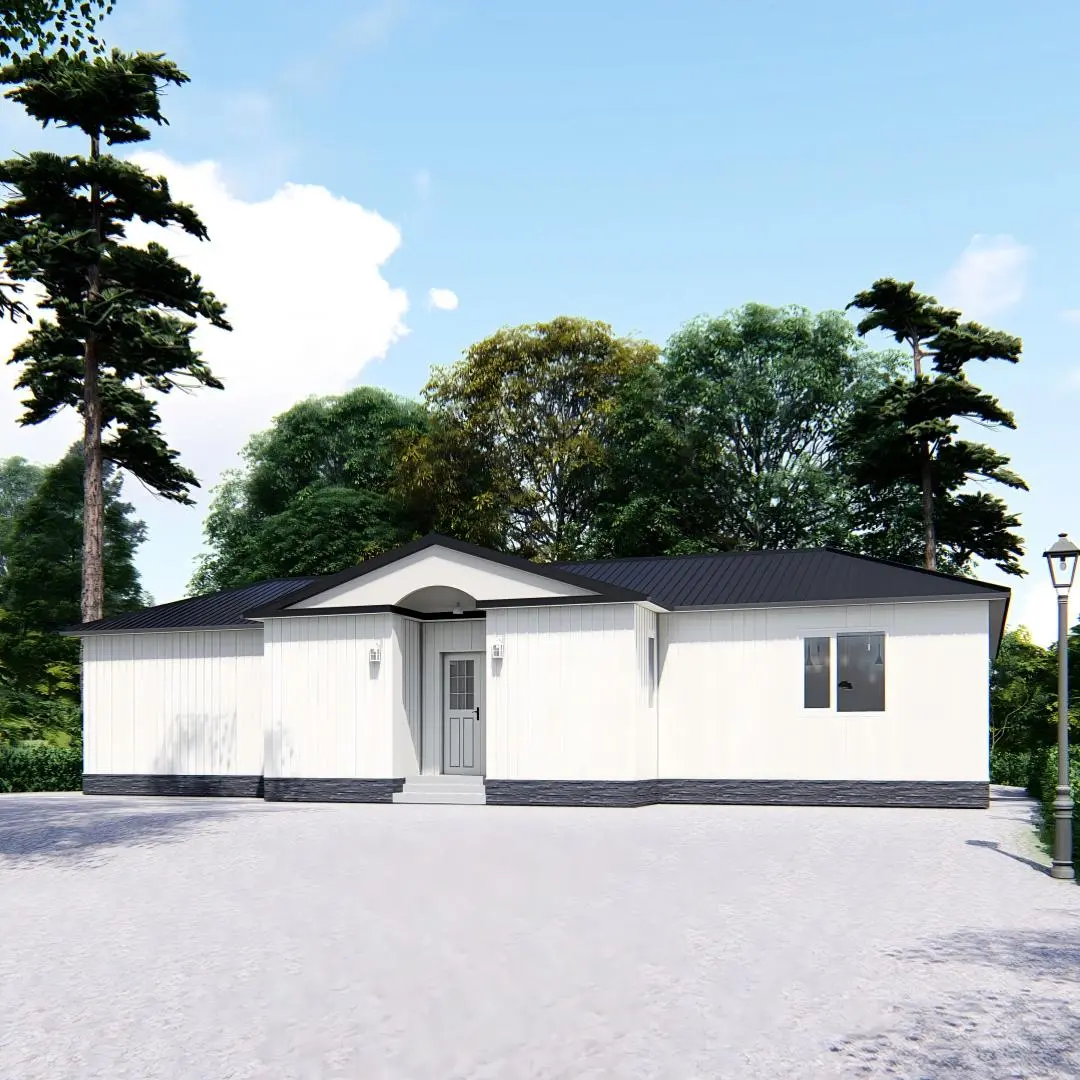
Repurposed shipping containers provide controlled, self-contained environments ideal for vertical indoor farming. Using integrated LED lighting and precise hydroponic irrigation, these units enable year-round crop production directly within urban areas like Chisinau, regardless of external climate conditions.
Technical answers to key planning, insulation, and shipping queries for developers in Moldova.
 HUA KE HOUSE