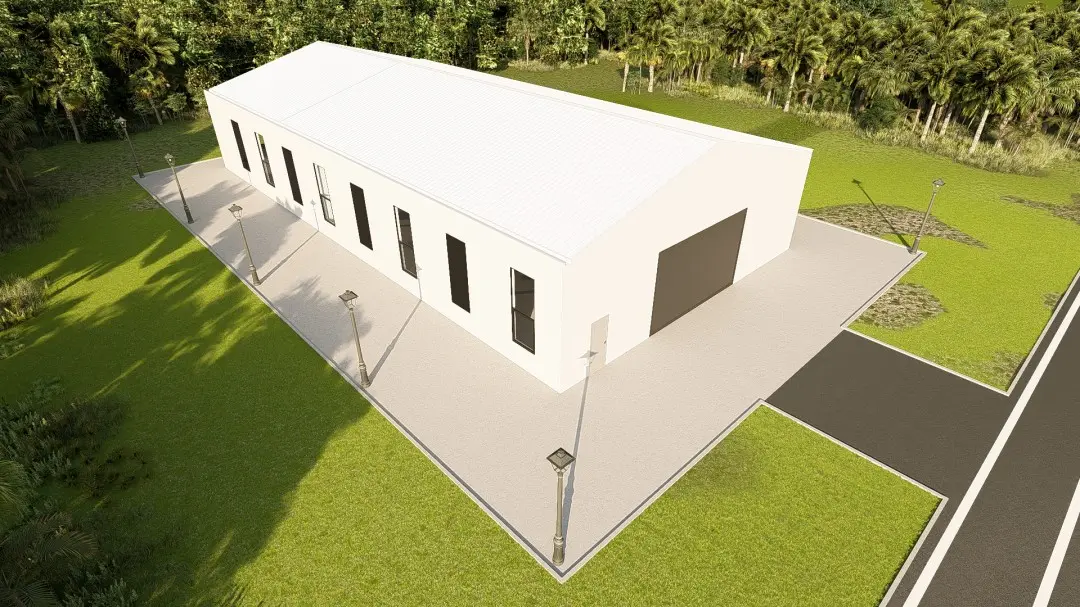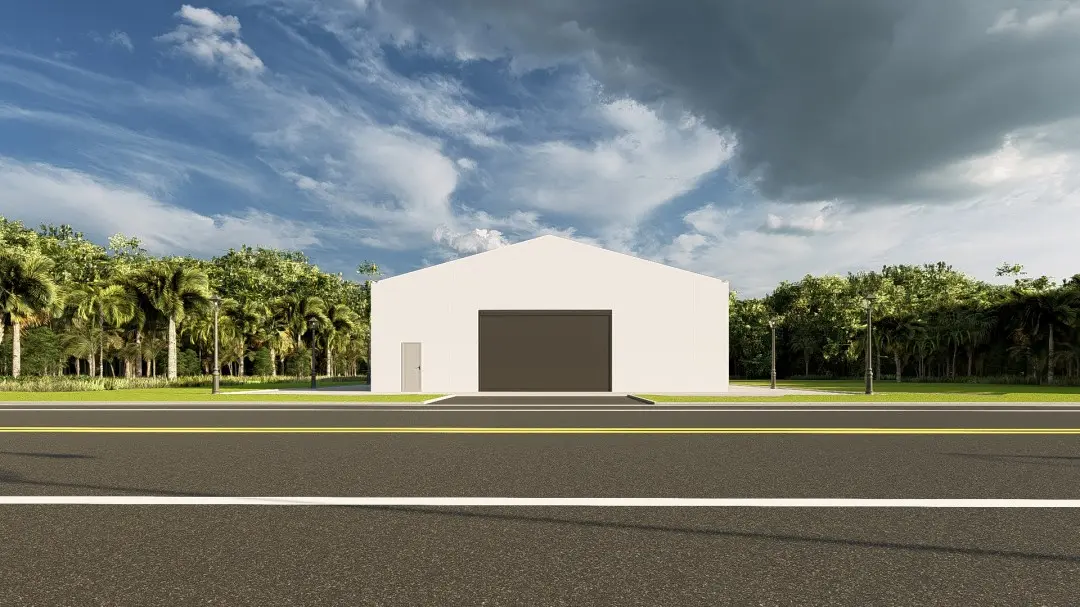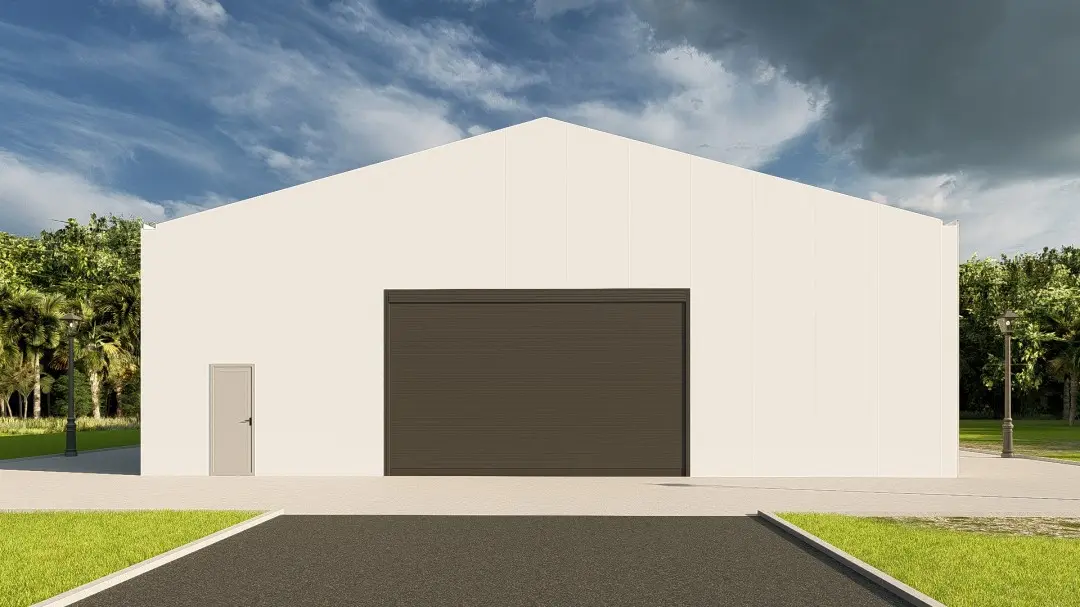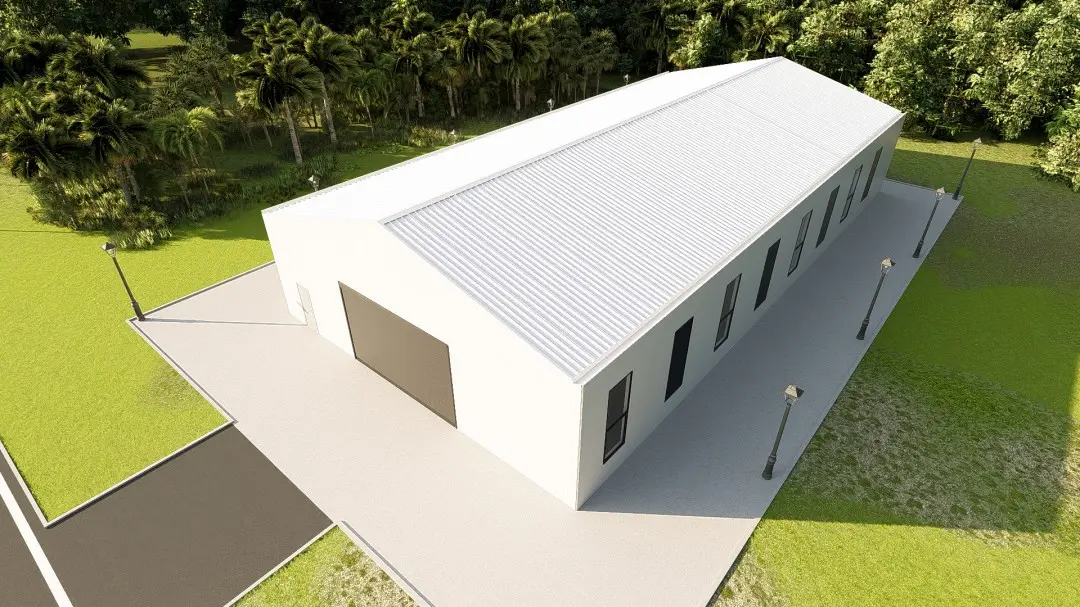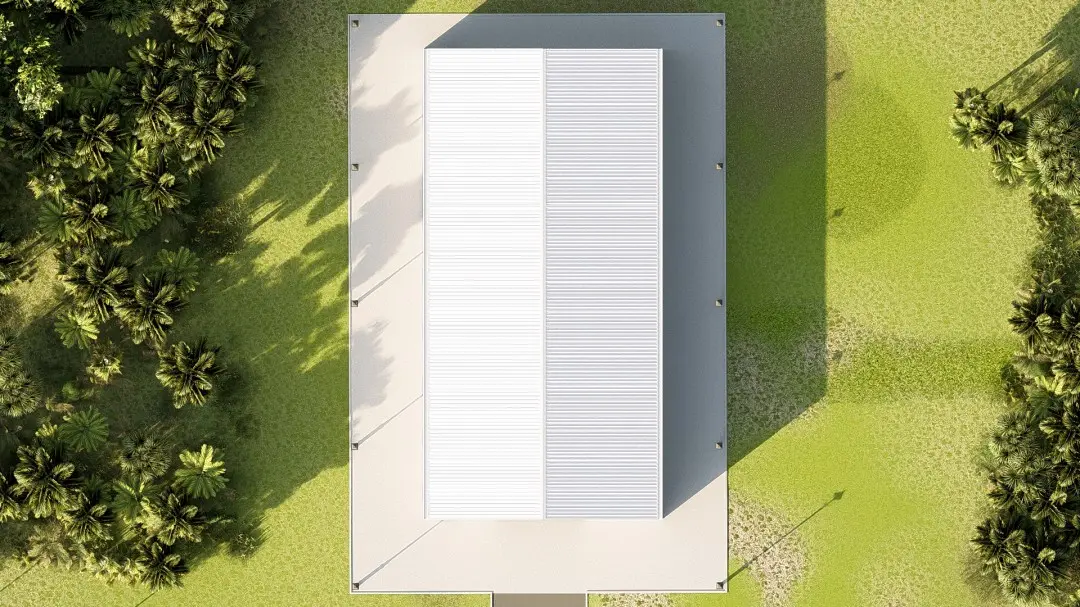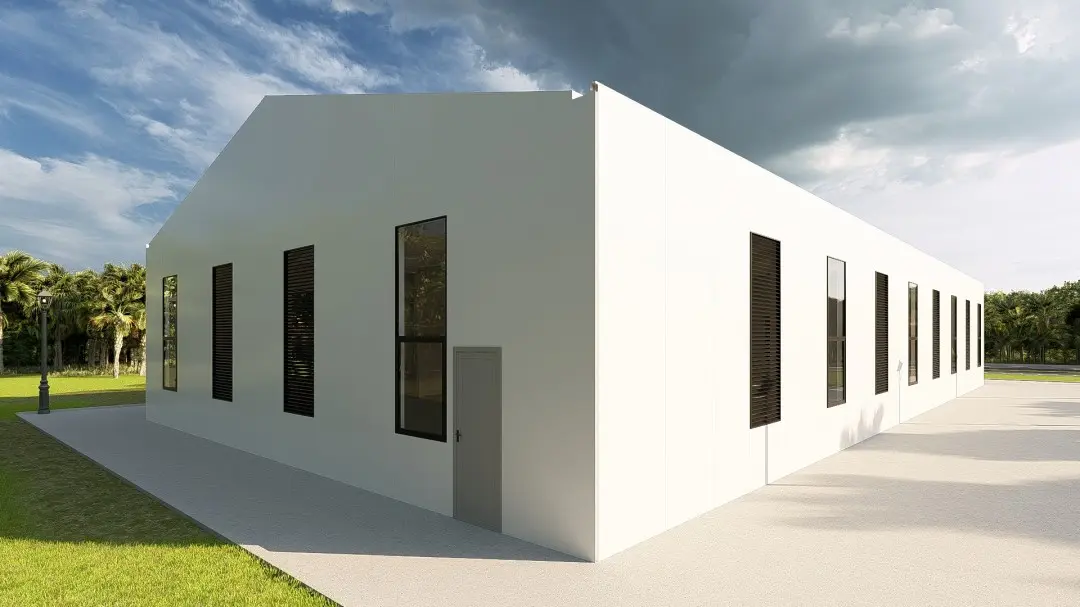
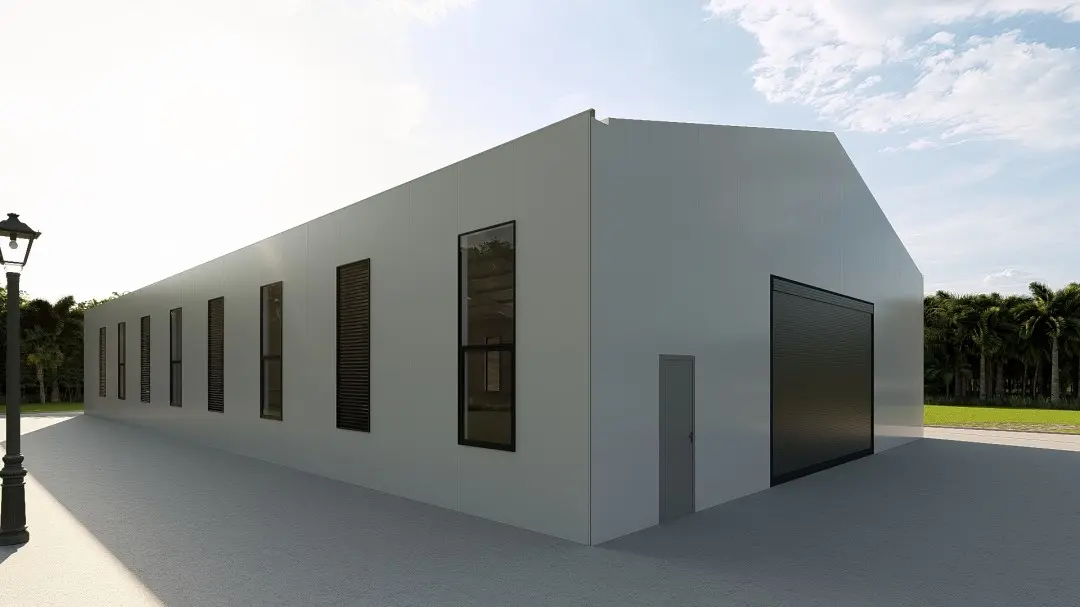
OEM Prefab Steel Structure Buildings for Outdoor Factory Warehouse & Workshop Constructed with Sandwich Panel Material Factory, Factories

A steel structure building uses fabricated steel components like beams, columns, and trusses for its main framework, offering high strength, flexibility, and fast construction due to prefabrication, making them ideal for everything from skyscrapers to warehouses, but requiring insulation for heat/sound

Product Description

Structural steel framing is a durable, reliable, cost-effective, sustainable option for low-rise, mid-rise and high-rise building projects and typically refers to building frame systems where the vertical and horizontal structural elements are formed by a system of structural steel beams and columns.
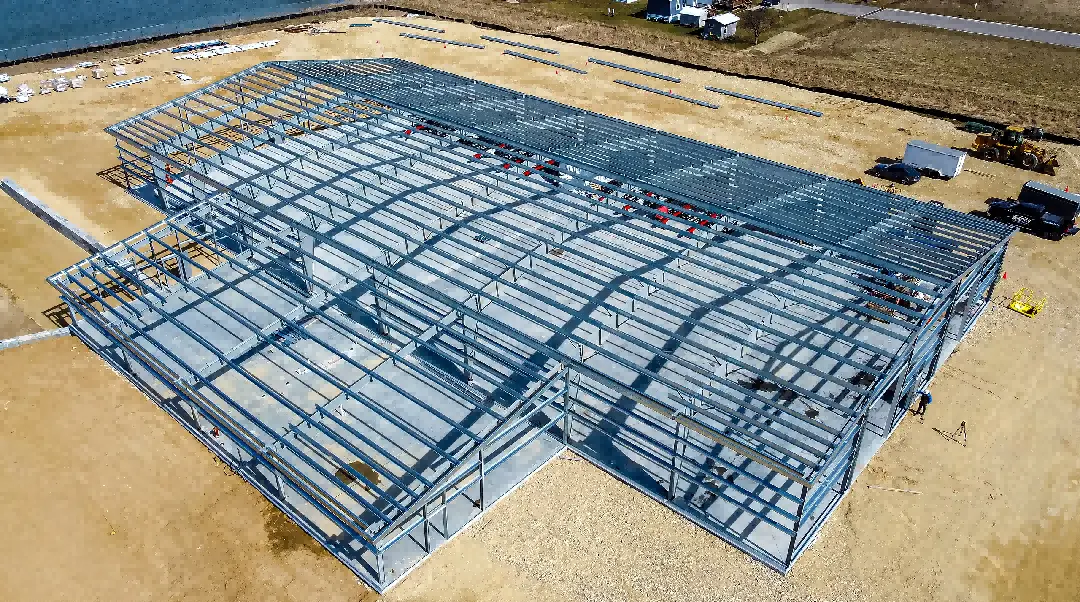
Structural Steel Framing Diagram

Column spacing is typically 25 to 45 feet on center, with spacing variations lower and higher depending on architectural requirements. The range of available shapes and sizes allows virtually any architectural requirement to be met.
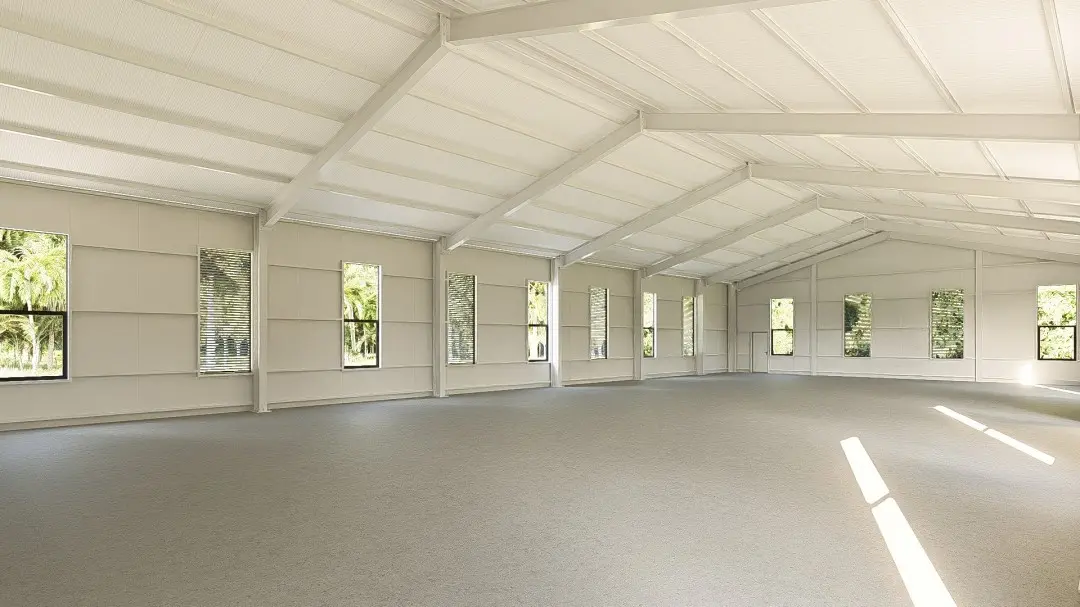
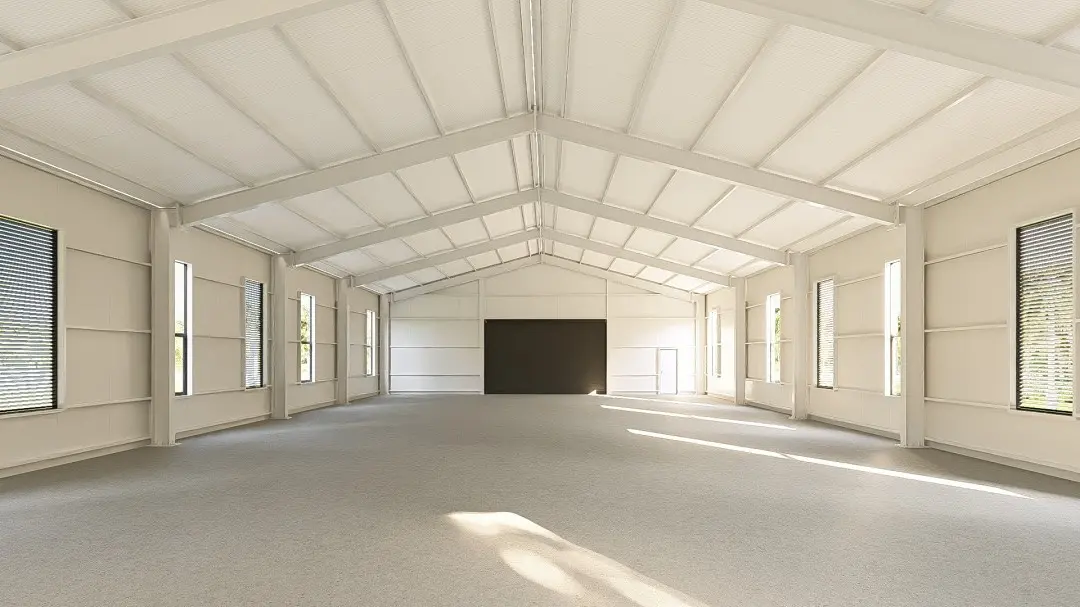
Steel Column Spacing
Structural Beam Layout

Structural steel framing is typically designed, fabricated and erected in accordance with standards developed. It is also adaptable to almost any architectural layout and is used routinely on a variety of building projects. Structural steel is the most popular framing material for non-residential buildings in the United States, with over half of the constructed square footage framed in structural steel on an annual basis.
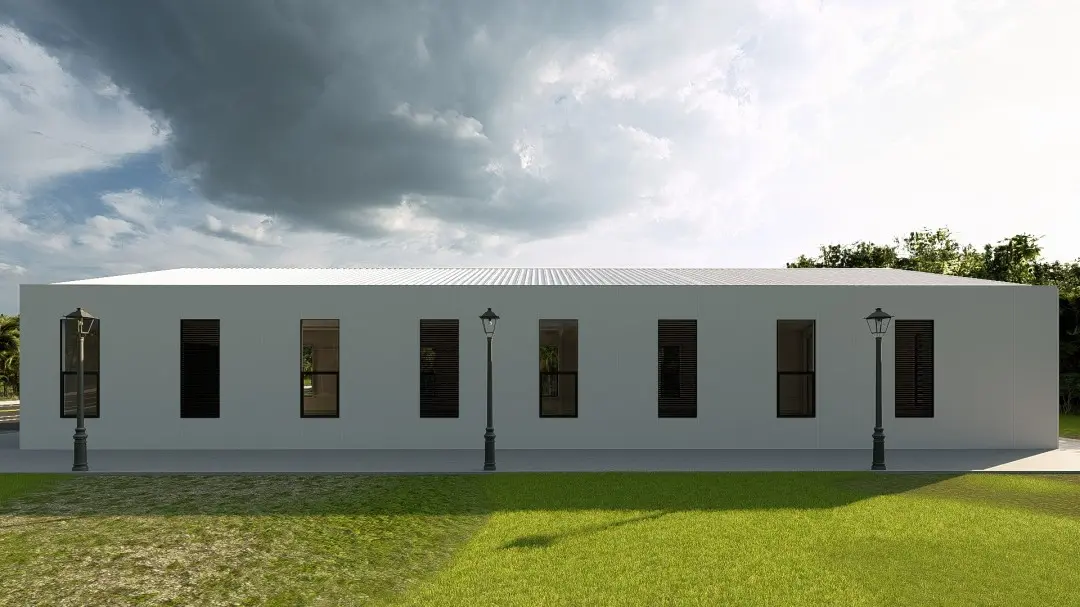
Steel Frame Construction Site
Steel Component Detail
Structural Joint View
Framing Assembly
High-Rise Steel Structure
Industrial Steel Frame
Steel Beams Close-up
Completed Steel Skeleton
Frequently Asked Questions
Q1: What are the primary benefits of structural steel framing?
Structural steel is highly durable, cost-effective, and sustainable. It offers high strength-to-weight ratios, allowing for versatile designs in low-rise to high-rise building projects.
Q2: What is the typical column spacing for these structures?
Standard column spacing is typically between 25 and 45 feet on center, though this can be adjusted based on specific architectural requirements.
Q3: Is structural steel framing suitable for residential buildings?
While it is the most popular choice for non-residential buildings, it is also adaptable and increasingly used for residential projects due to its flexibility and speed of construction.
Q4: How does structural steel support sustainability?
Structural steel is one of the most sustainable building materials as it is often made from recycled content and is 100% recyclable at the end of its life cycle.
Q5: Are there specific standards for steel fabrication and erection?
Yes, all structural steel framing is designed, fabricated, and erected in strict accordance with industry-developed safety and quality standards to ensure structural integrity.
Q6: Can structural steel accommodate unique architectural shapes?
Absolutely. The wide range of available shapes and sizes in structural steel allows it to meet virtually any complex architectural layout or design requirement.

Related Products