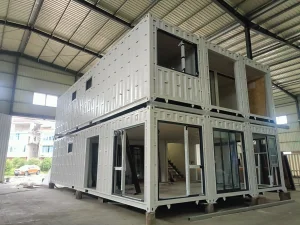
Perfect for multi-family residential zoning in the Bay Area.
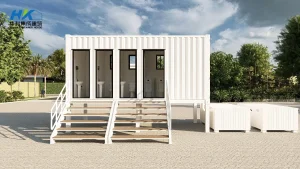
Essential for SF public events and construction sites.
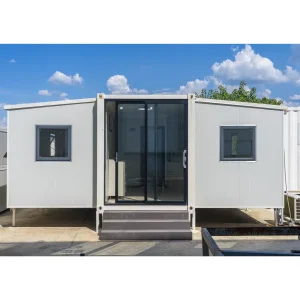
Fast-track permit ready for Silicon Valley food startups.
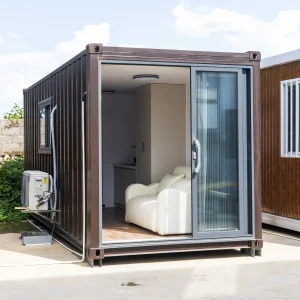
Ideal for backyard Accessory Dwelling Units (ADUs).
San Francisco, the epicenter of global innovation, is currently facing one of the most significant housing challenges in modern history. As traditional construction costs skyrocket due to labor shortages and complex logistics within the city's unique topography, Flat Pack Container Houses have emerged as a disruptive solution. These modular structures represent the "Hardware as a Service" model for the built environment, offering rapid deployment, seismic resilience, and extreme cost-efficiency.
Faster Construction vs. Traditional Builds
Lower Logistics Costs via Flat-Pack Shipping
Seismic Resistance Capability Score
Eco-Friendly & Recyclable Materials
Leading tech giants are utilizing flat-pack container modules to create temporary collaborative spaces, focus pods, and employee lounge areas that can be reconfigured as teams grow. The ability to assemble a high-tech office in days rather than months is a critical competitive advantage.
Following California’s legislative push (SB 9 and SB 10), San Francisco homeowners are increasingly turning to modular tiny houses to maximize their property value. Flat-pack units are particularly popular because they can be transported through narrow SF side-streets and assembled in tight backyards where heavy cranes cannot reach.
From the Port of San Francisco to Hunter's Point redevelopment, modular containers provide essential onsite offices and worker accommodations. Furthermore, the city is exploring flat-pack clusters for rapid-response transitional housing to address urban density issues.
Jiangxi Huake Prefab Building Co., Ltd., established in 2010, brings over a decade of specialized engineering experience to the San Francisco market. With two modern workshops covering 12,000 square meters, we integrate AI-driven design processes with high-precision manufacturing to ensure every container house meets rigorous international standards, including those required for US building codes.
The San Francisco market is moving toward "Smart Modularization." This involves the integration of IoT (Internet of Things) devices directly into the container walls during the factory phase. Imagine a flat-pack home that arrives in the Bay Area already equipped with smart climate control, leak detection, and energy management systems that interface directly with your smartphone.
Sustainability and LEED Certification: As SF enforces stricter Green Building Codes, our flat-pack solutions are gaining traction for their low waste. Unlike traditional sites where 30% of materials end up in a landfill, modular construction reduces waste by up to 90% through optimized factory cutting and recycling.
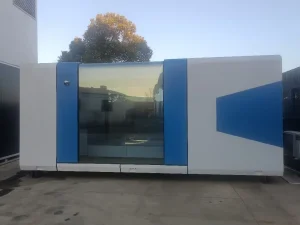
Modern architectural design for coastal retreats.
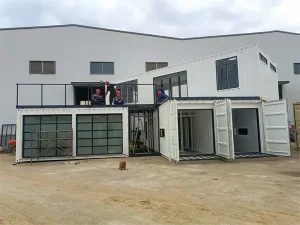
Full-service logistics from factory to your SF site.
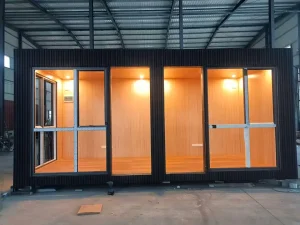
Professional workspace solutions for the Bay Area.
Diverse designs tailored to California building aesthetics.
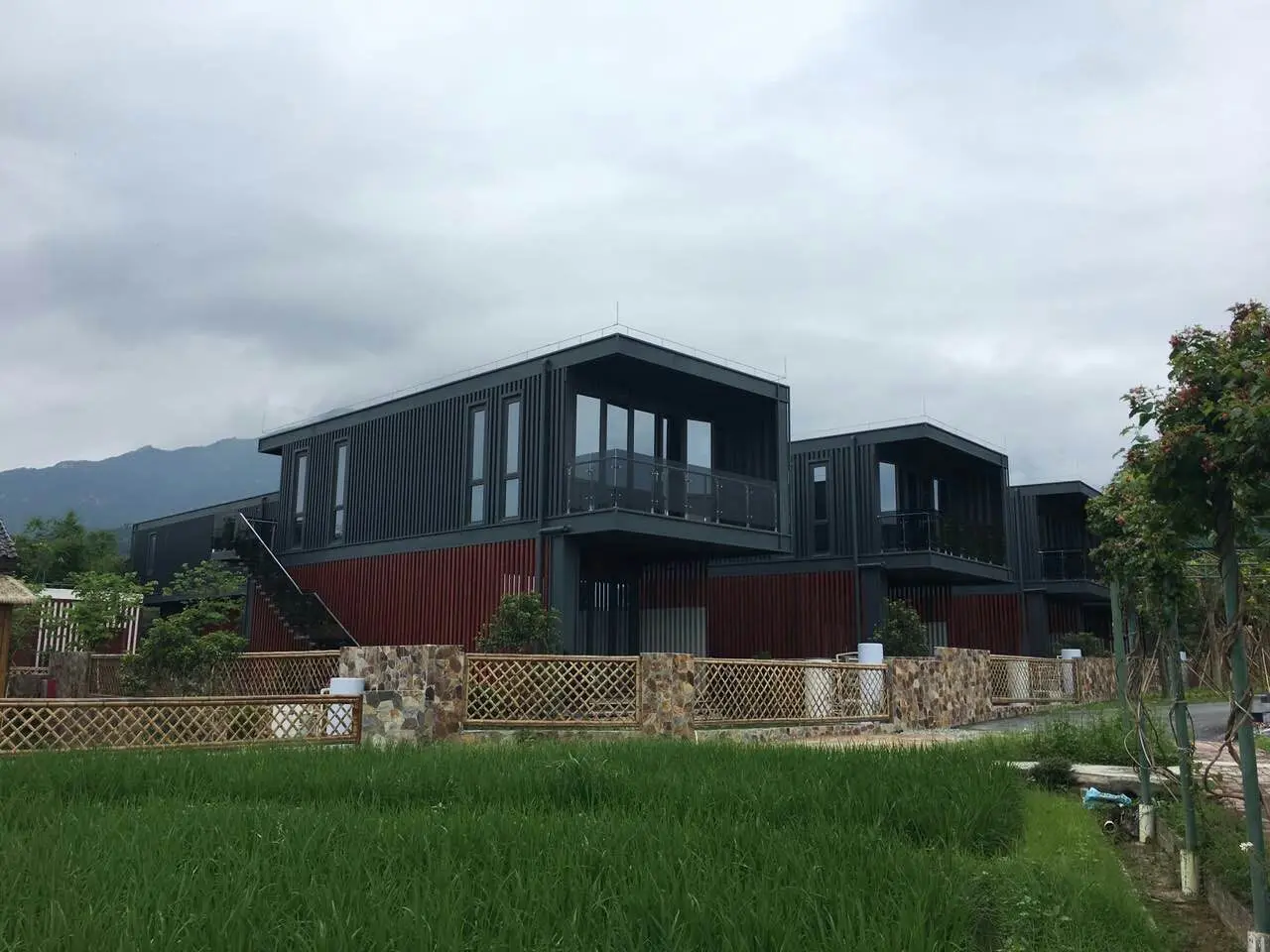
Scaling hospitality projects in months, not years.
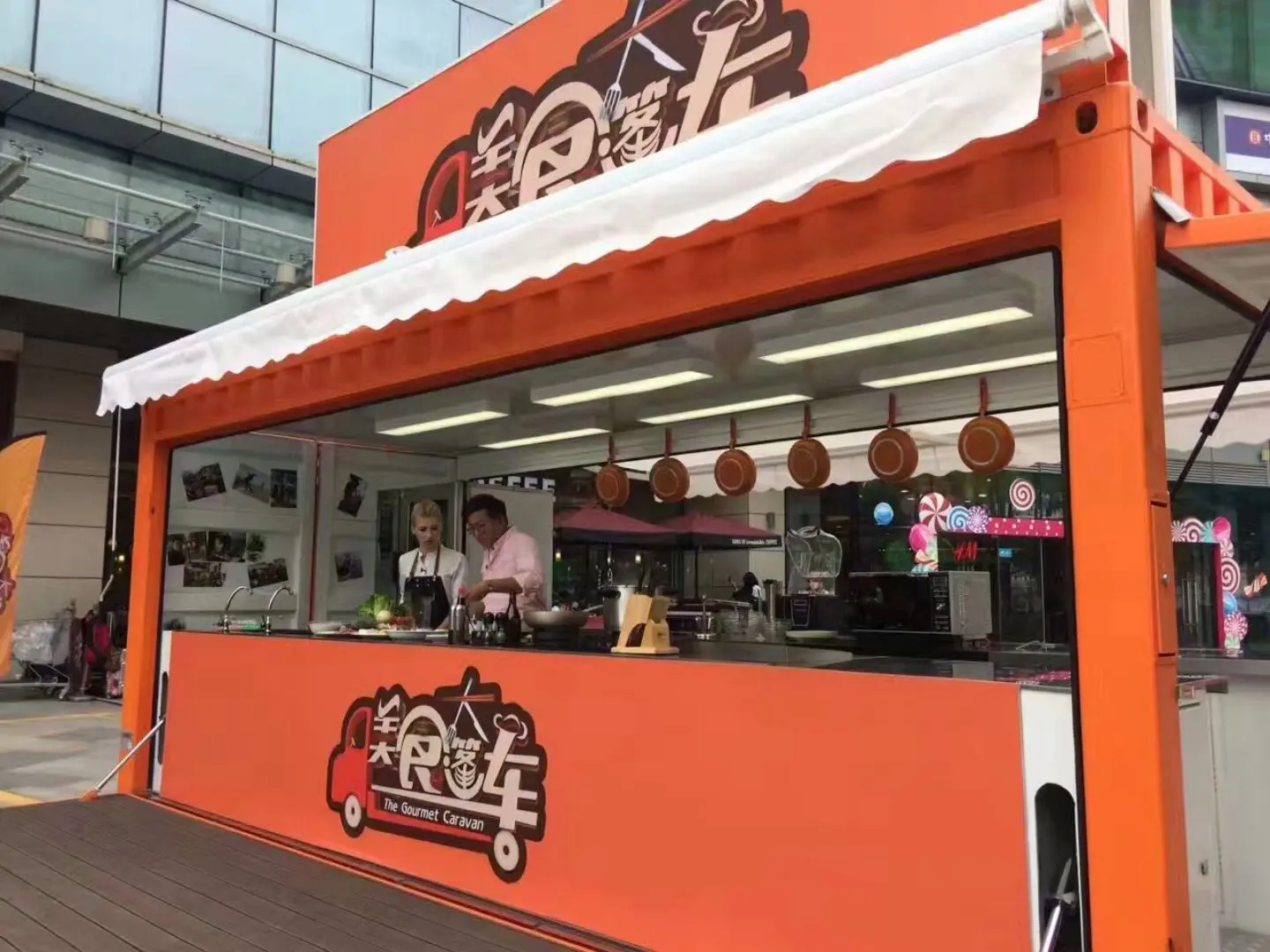
Flexible living for a dynamic urban environment.
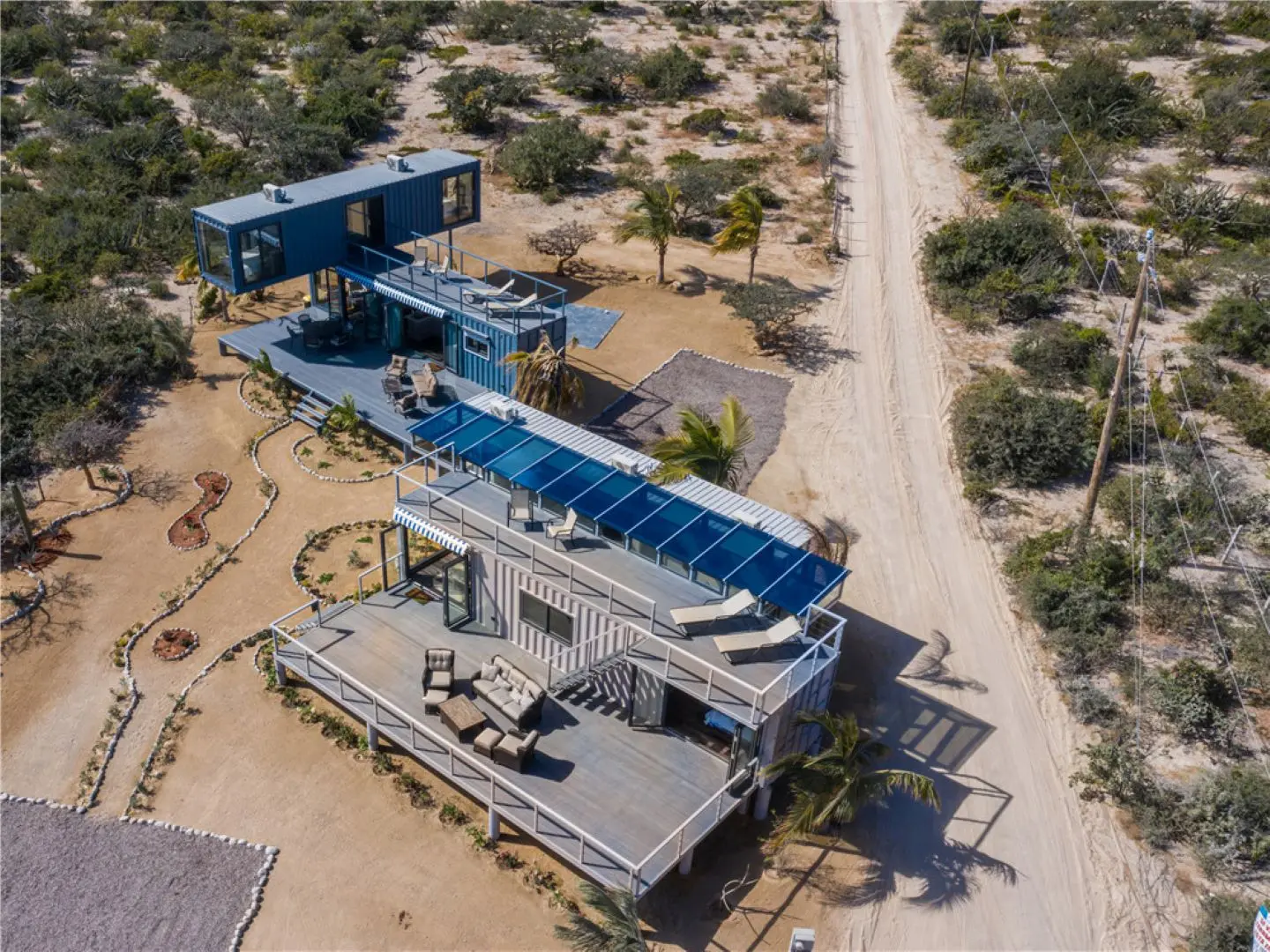
Upcycled shipping containers transformed into luxury homes.
High-end modular living with granny flat options.
Perfect for pop-up retail in San Francisco districts.
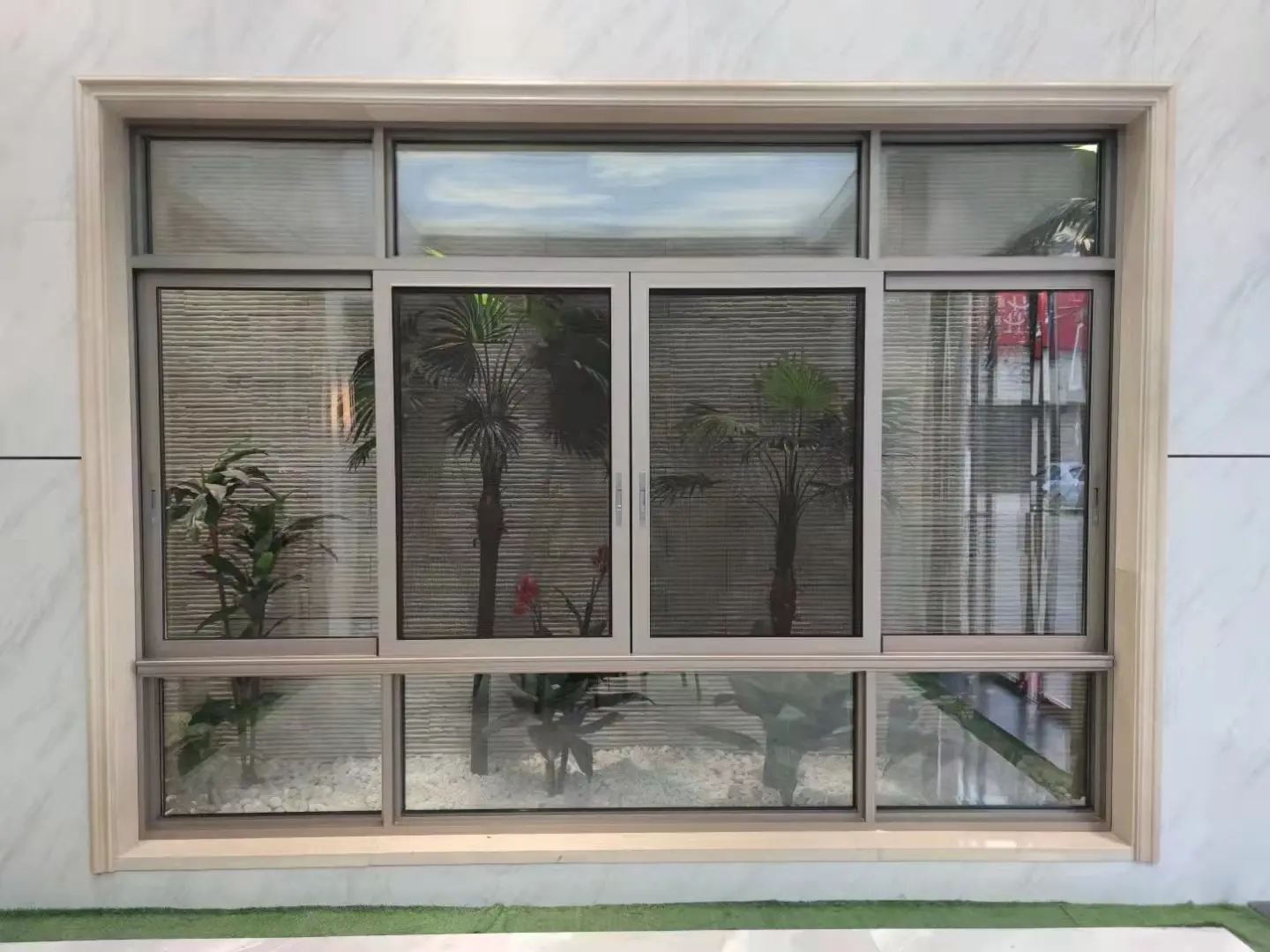
Premium aluminum alloy fittings for urban tranquility.
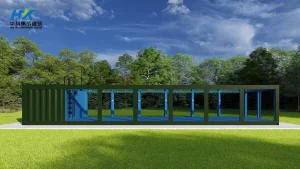
Luxury endless swim SPA for modern Bay Area backyards.
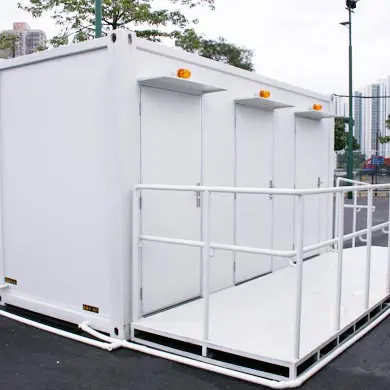
Durable, hygienic, and easy to maintain urban infrastructure.
When considering a building project in San Francisco, the "Total Cost of Ownership" (TCO) is heavily influenced by the speed of the permitting process and the daily cost of on-site labor. In a city where a general contractor can cost upwards of $150 per hour, the financial math overwhelmingly favors off-site modular construction.
The San Francisco Department of Building Inspection (DBI) has specific requirements for structural integrity. Because our container houses are engineered with high-grade steel frames and meet international fire safety standards, they often pass the local inspection process more predictably than "stick-built" homes. Our team provides the necessary CAD drawings and technical specifications that SF planners require for Accessory Dwelling Unit (ADU) approvals.
San Francisco's geography—characterized by steep hills and narrow, winding streets like Lombard or Filbert Street—poses a nightmare for traditional modular housing where a 40-foot pre-built unit requires a massive crane and road closures. Our Flat-Pack technology allows four units to be shipped in the space of a single standard container. This means they can be delivered via smaller flatbed trucks and assembled on-site with basic lifting equipment, significantly reducing local logistics fees.
With the shift toward hybrid work models in the Bay Area, we have seen a 200% increase in inquiries for "Backyard Offices." These are not just sheds; they are fully insulated, climate-controlled, high-speed-internet-ready professional environments. A flat-pack container office provides the soundproofing necessary for high-stakes Zoom calls in a busy neighborhood like the Mission District or Noe Valley.
San Francisco is a leader in the "Climate Action Plan." Our container homes contribute to this by utilizing recycled shipping steel and low-VOC (Volatile Organic Compound) interior finishes. By choosing modular, you are reducing the carbon footprint of your construction project by an estimated 60% compared to traditional concrete and timber builds.
 HUA KE HOUSE