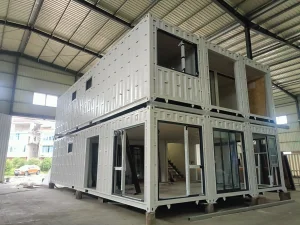
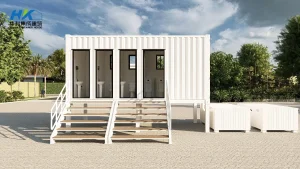
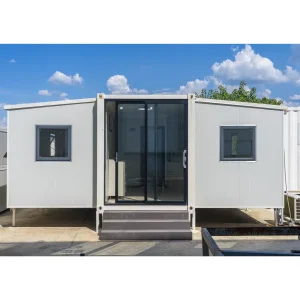
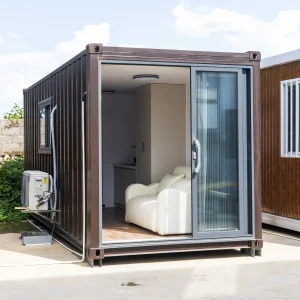
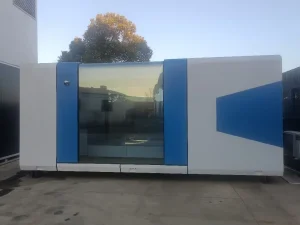
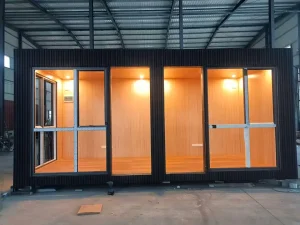
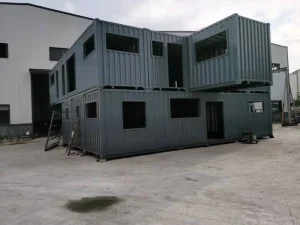
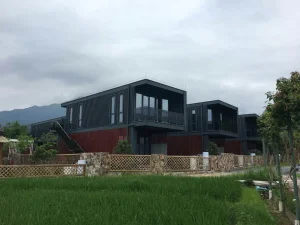
Uganda is currently experiencing a profound shift in its construction sector. With a housing deficit estimated at 2.4 million units and a rapidly growing urban population in cities like Kampala, Gulu, and Mbarara, traditional brick-and-mortar construction often falls short in terms of speed, cost, and environmental sustainability. Flat Pack Container Houses have emerged as a disruptive technology, providing immediate relief for residential, commercial, and industrial space needs.
From the lush tourism lodges in Bwindi to the rugged mining camps in the Karamoja region, modular containers offer a "plug-and-play" infrastructure that adapts to Uganda's diverse tropical climate. The ability to transport flat-packed units via the Northern Corridor from Mombasa port directly to Ugandan project sites reduces logistical overhead by up to 75% compared to fully assembled units.
Establishing a successful project in Uganda requires more than just high-quality products; it requires local expertise. Our supply chain ensures that every Flat Pack Container House meets the standards of the Uganda National Bureau of Standards (UNBS) and aligns with the Ministry of Lands, Housing and Urban Development guidelines for temporary and semi-permanent structures.
As a leading China-based factory established in 2010, Jiangxi Huake Prefab Building Co., Ltd. serves as a critical node in the global modular supply chain. With our 12,000 square meter modern workshop in Shangrao City, we specialize in bridging the gap between high-precision Chinese manufacturing and localized Ugandan site requirements.
Our "Factory-to-Site" model eliminates middlemen, ensuring that project managers in Uganda receive factory-direct quotes and custom engineering support. We don't just ship containers; we export 14 years of E-E-A-T (Experience, Expertise, Authoritativeness, and Trustworthiness) in modular design.
Established in 2010, Huake has become a leading manufacturer of modified shipping containers and flat pack solutions. We export to Europe, USA, Australia, and notably, the rapidly developing East African market. Our goal is satisfaction through saturing the housing demand with sustainable, high-quality modular builds.
Learn More About UsIn Uganda's tea and sugar plantations, our flat packs provide dignified, hygienic, and scalable accommodation for the workforce, easily relocated after harvest cycles.
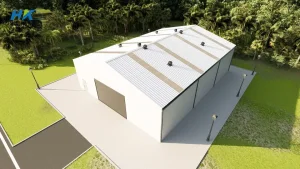
For the Tilenga and Kingfisher projects, we provide ruggedized, high-security modular offices and equipment shelters designed for heavy industrial use.
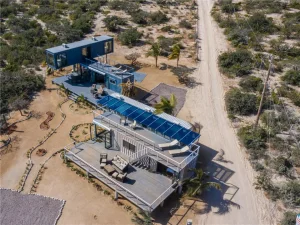
Ultra-modern space capsules and luxury modified containers allow lodge owners to build in protected park areas with minimal footprint and maximum luxury.
The global modular construction market is expected to reach $150 billion by 2030, with Africa being the fastest-growing region. In Uganda, the trend is moving toward hybrid modularity—combining steel containers with local materials like bamboo or stone cladding to create an aesthetic that feels both modern and Ugandan.
Furthermore, "Smart Modular" integration—incorporating IoT sensors for energy management and greywater recycling—is becoming a standard requirement for high-end residential projects in the suburbs of Entebbe and Kira.
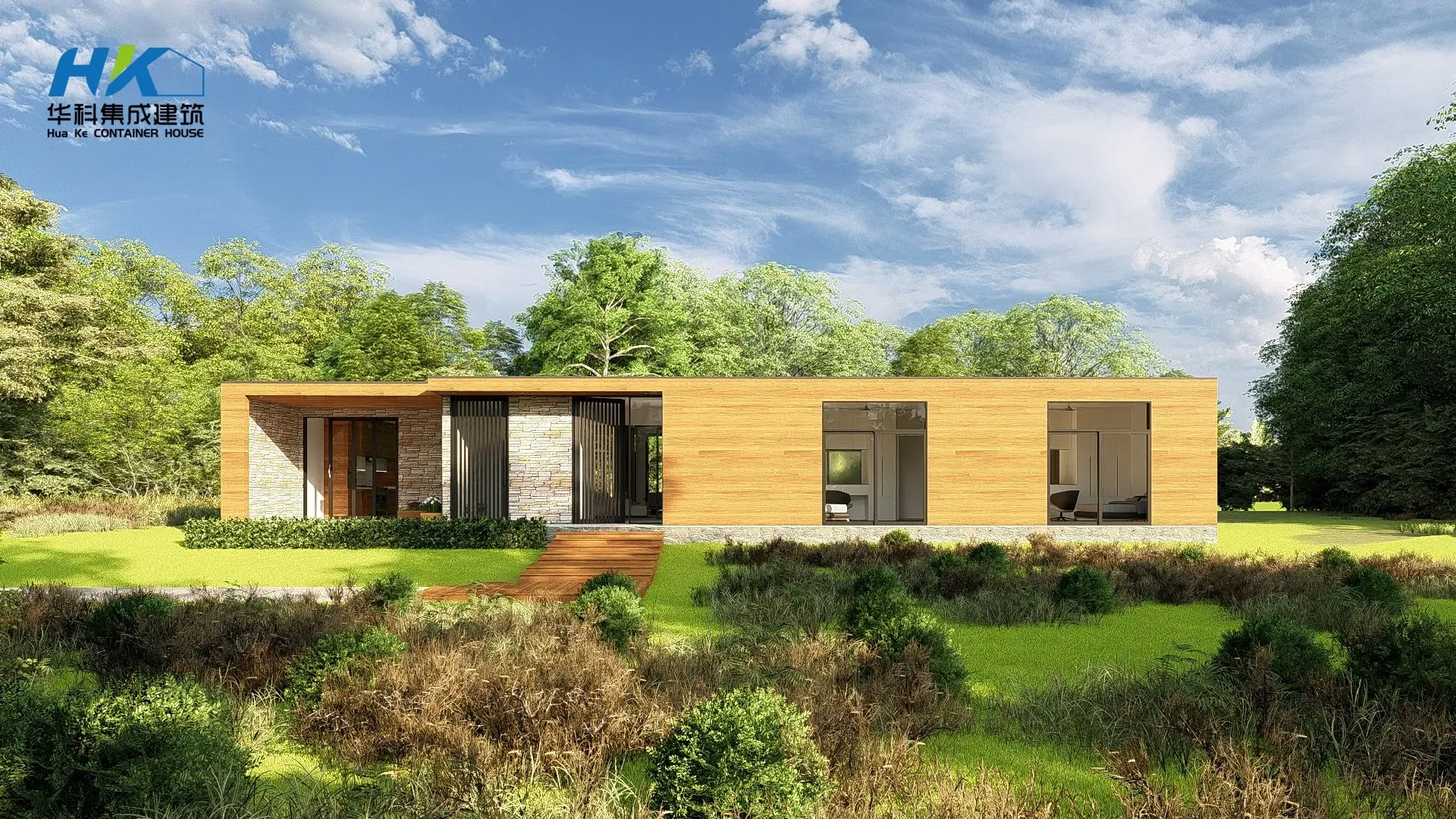
Protection from the Elements: Cladding acts as a barrier against rain and UV rays, essential for Uganda's tropical cycle...
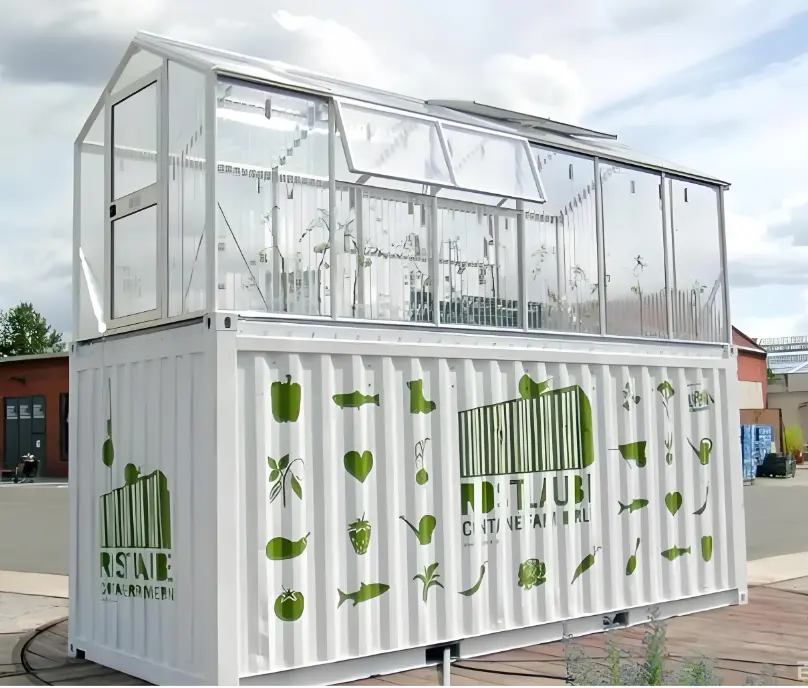
Hydroponic systems in containers are revolutionizing vertical farming in Kampala, providing food security in limited spaces...
 HUA KE HOUSE