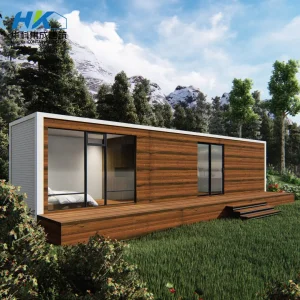
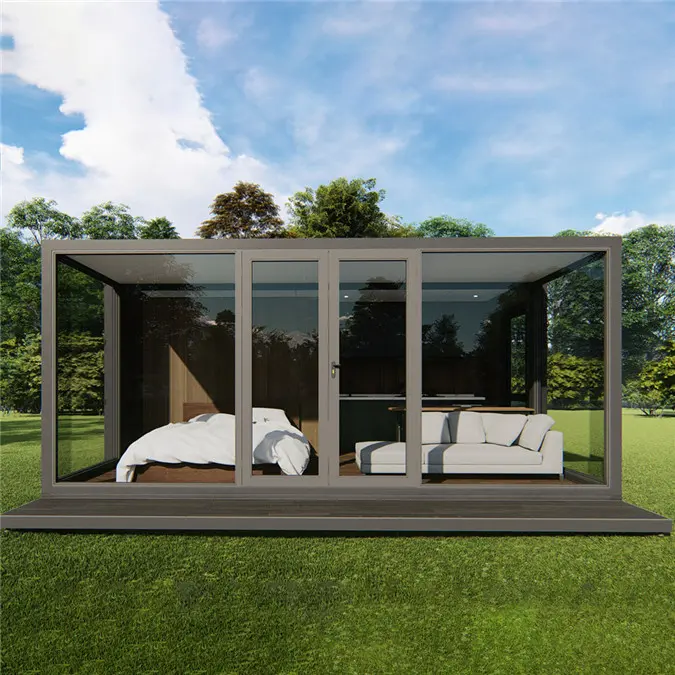
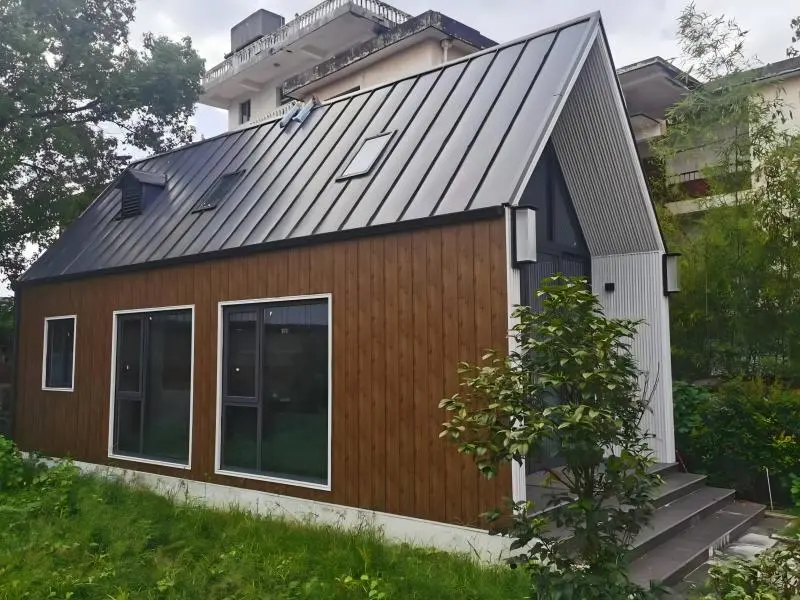
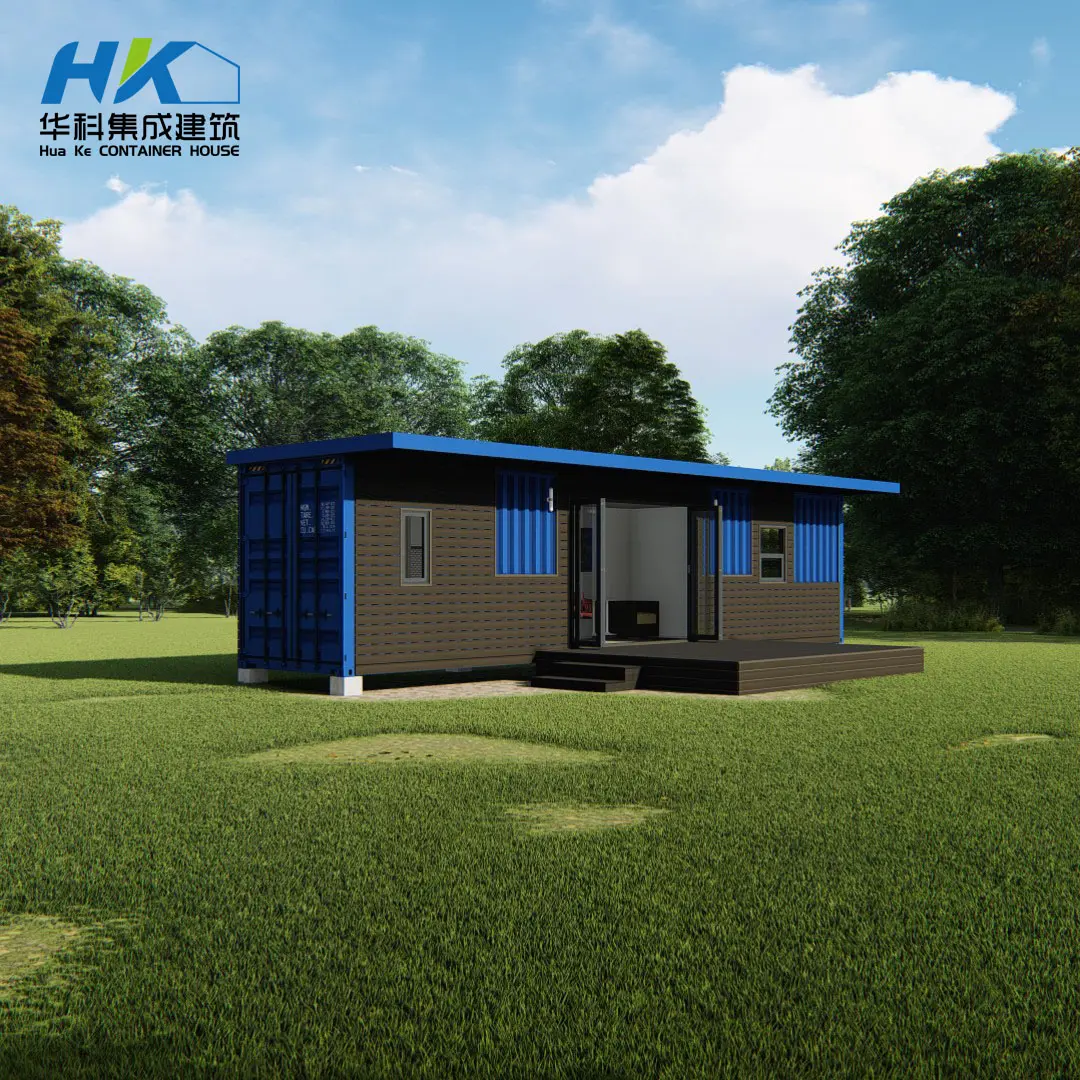
The global outdoor recreation market has seen an unprecedented surge in recent years, particularly in the "Glamping" and "Wild Camping" sectors. As more enthusiasts seek remote experiences without sacrificing basic hygiene, the demand for Custom Wild Camping Toilet Products has evolved from simple portable buckets to sophisticated, eco-friendly modular systems. In regions like North America, Europe, and Australia, strict environmental regulations regarding "Leave No Trace" principles have made high-quality portable sanitation a mandatory requirement for many national parks and private campsites.
Industrially, the shift is moving toward modular prefabricated construction. Traditional plastic portable toilets are being replaced by durable, fiberglass-reinforced or steel-structured units that offer better insulation, longevity, and aesthetic integration with nature. Suppliers are now focusing on "Smart Way" transportable designs that can be deployed in minutes but offer the comfort of a permanent facility.
Modern wild camping toilets are increasingly integrating solar panels to power internal lighting, ventilation fans, and even water-recycling pumps. This allows for complete off-grid operation in the most remote locations.
The industry is pivoting toward composting and incinerating technologies. These methods minimize the environmental footprint by reducing waste volume and eliminating the need for chemical additives.
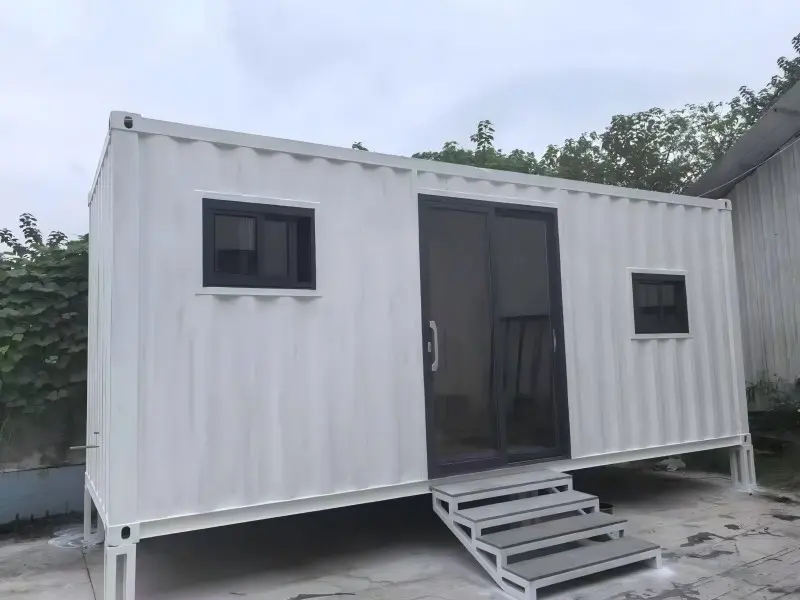
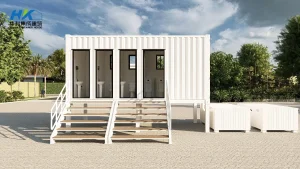
B2B clients now demand "plug-and-play" modules. Whether it's a single-unit trailer toilet or a 20ft container block with urinals and standard stalls, customization is key to meeting specific site requirements.
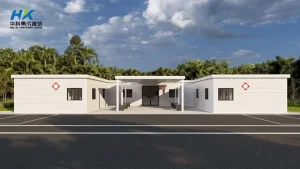
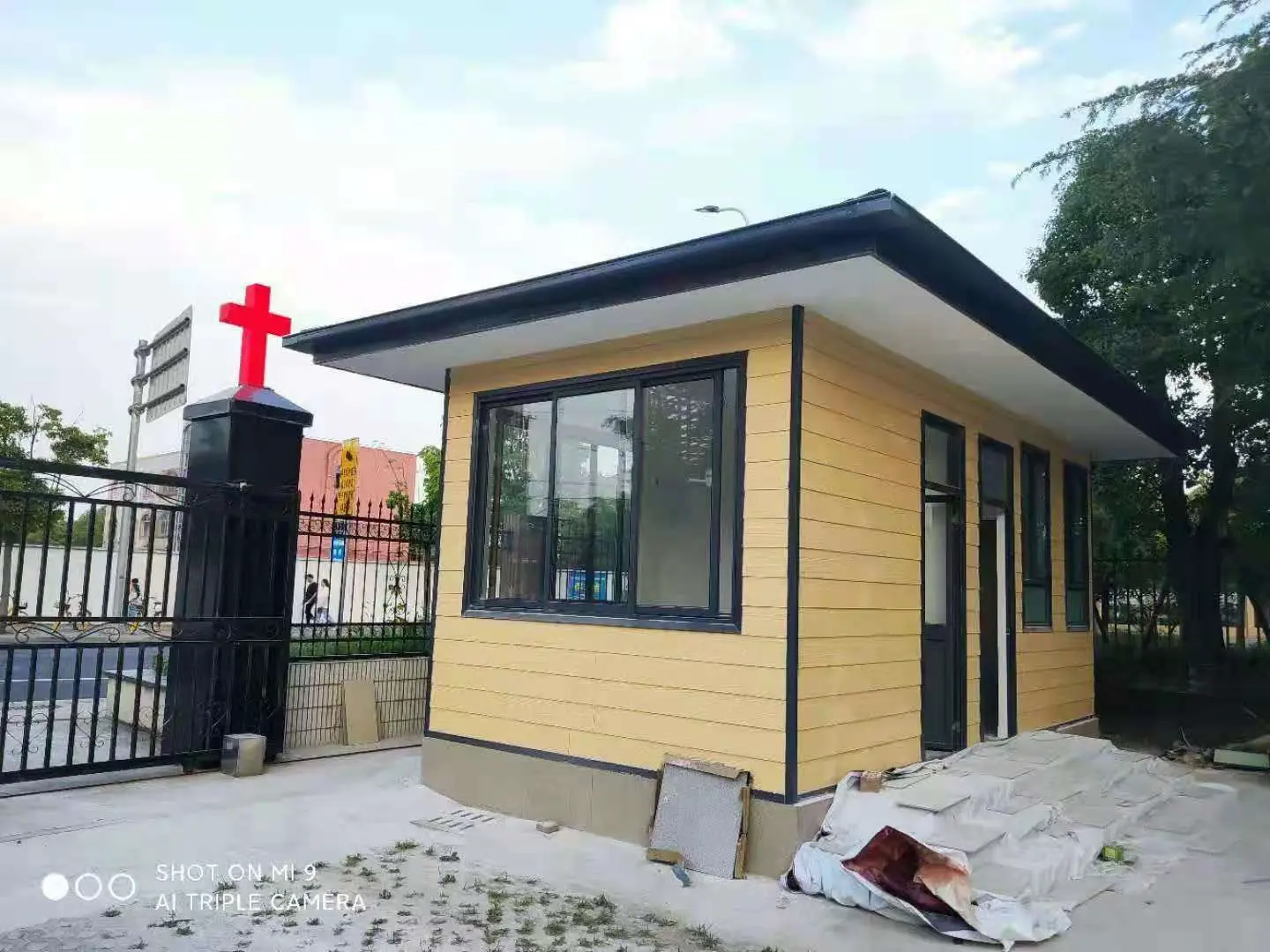
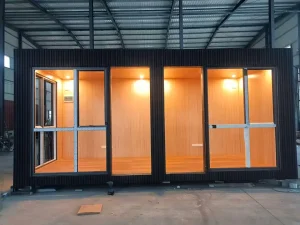
Global enterprises, from construction firms in the Middle East to festival organizers in Europe, have diverse procurement needs. For instance, mining operations in remote Western Australia require heavy-duty, dust-proof Prefabricated Container Toilets that can withstand extreme heat. Conversely, luxury glamping sites in the Swiss Alps prioritize aesthetic wooden cladding and high-end interior finishes that blend with the landscape.
Localized Application Scenarios:
Located in Shangrao City, Jiangxi, we operate two modern workshops covering 12,000 square meters. With over a decade of experience, we are leaders in the design and manufacture of prefabricated buildings.
We offer professional services to modify containers into hotels, coffee shops, houses, and specialized wild camping toilets. Our R&D team ensures every unit meets international standards for the USA, Europe, and Australia.
Being a direct Chinese factory, we provide cost-effective solutions without compromising quality. Our products are already serving markets in South East Asia, South Africa, and beyond.






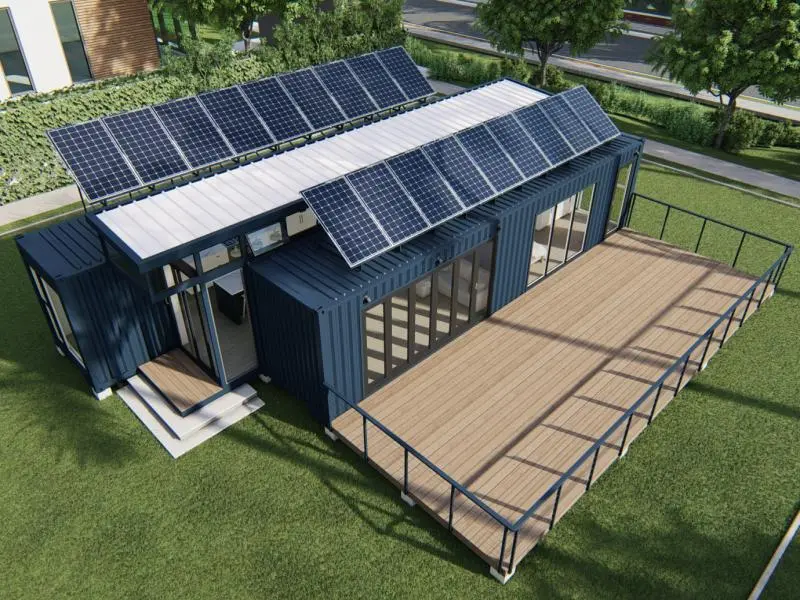
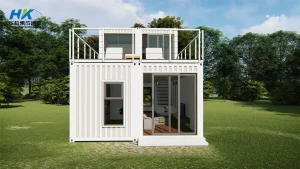
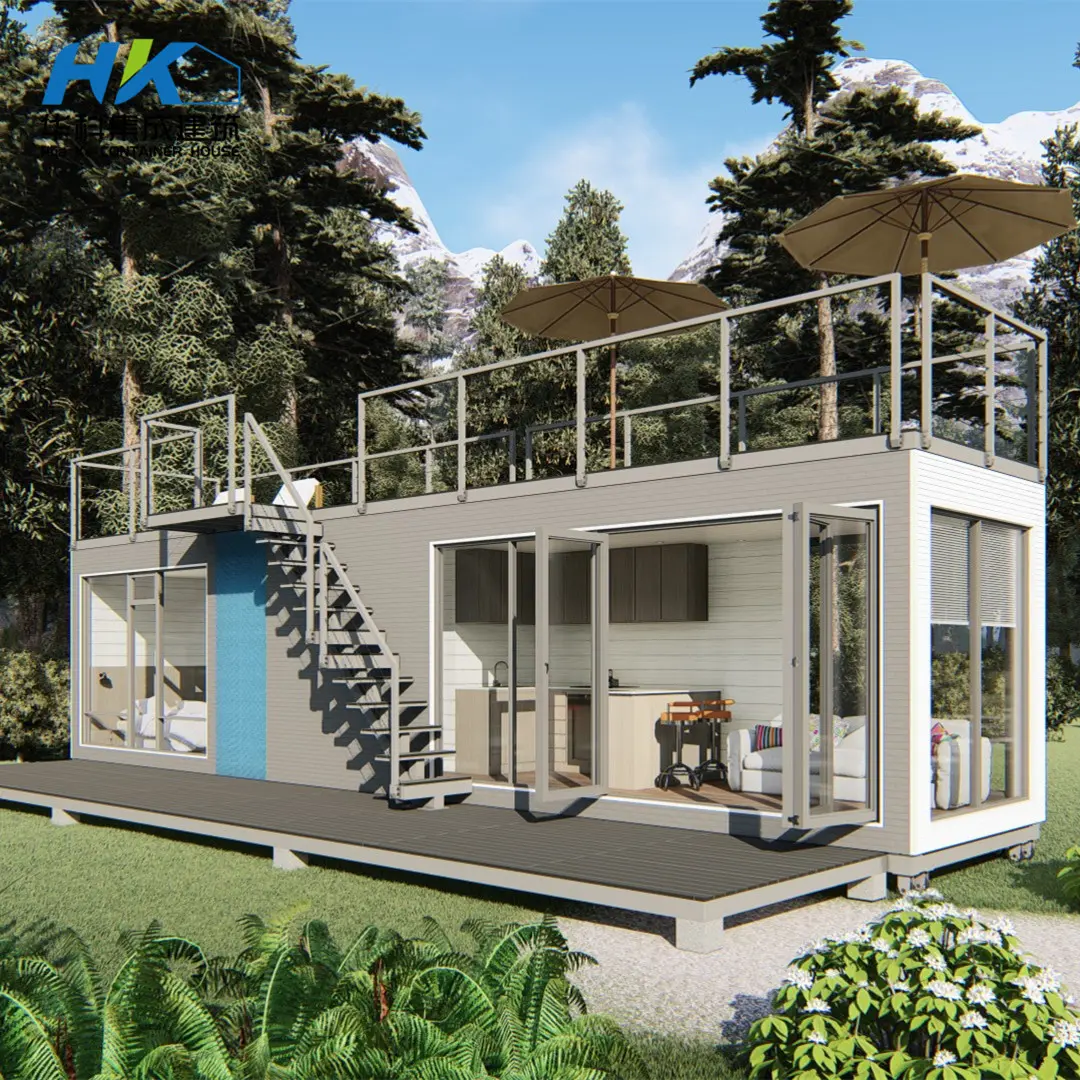
This container house will be provided solar system for electricity, the solar panel can produce 48 kw every day in good sunlight condition, and the battery can have a 30 kw storage capacity.
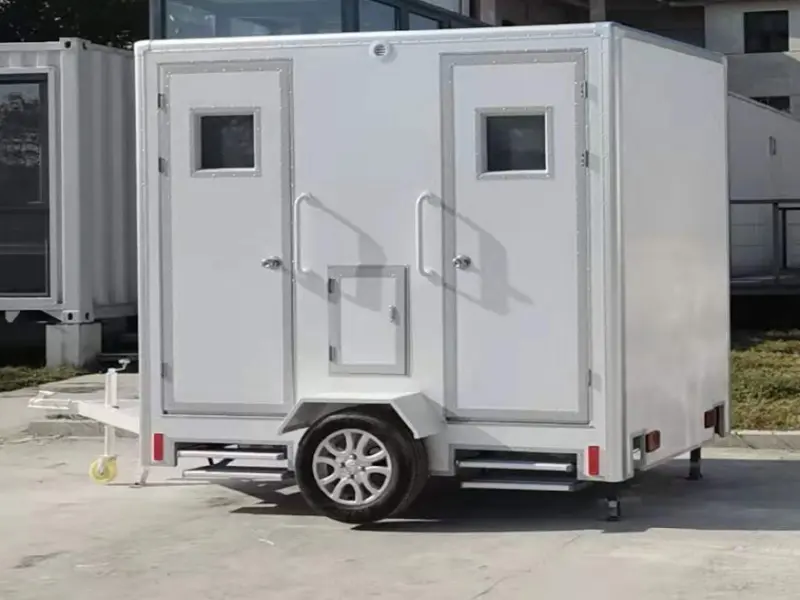
Whether you’re embarking on a camping trip, enjoying a day at the beach, or managing a construction site, this portable toilet is designed to meet your needs with style and functionality.
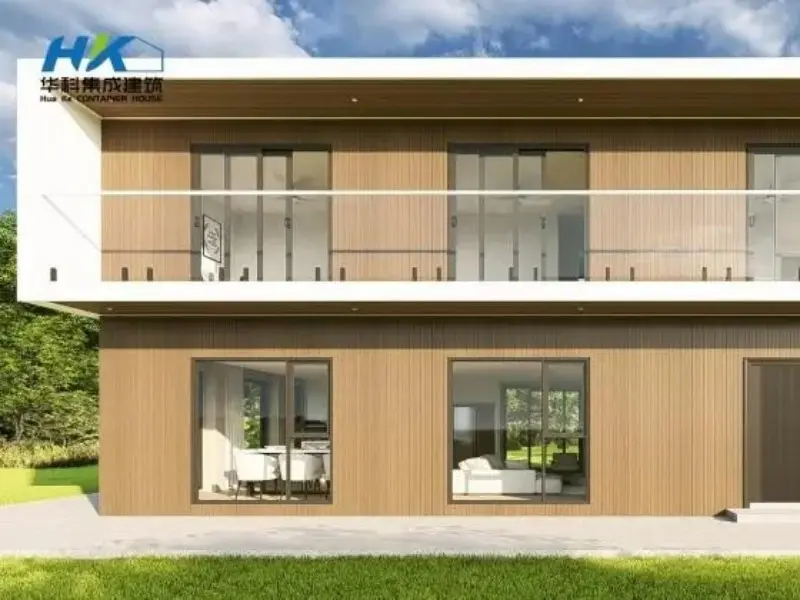
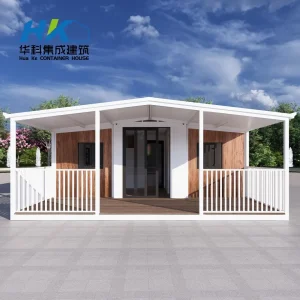
Offering a unique blend of functionality, style, and environmental consciousness. Coupled with an impressive 270-degree porch, this design embodies the ideals of contemporary living.
Jiangxi Huake prefab building Co., Ltd. was established in 2010. We have two modern workshops covering an area of 12,000 square meters. After so many years of hard work, we are becoming one of the leading companies in the design and manufacture of prefabricated buildings. We offer professional services on modifying containers and converting them into hotels, coffee shops, houses, offices, accommodations, tool rooms, and store rooms.
Our primary aim and goal is to build comfortable and satisfying houses for customers. Hua Ke container house is the builder for your dream home.
Protection from the Elements: Cladding acts as a barrier against weather conditions such as rain, snow, wind, and UV rays. It helps to protect the underlying structure from moisture damage, rot, and corrosion, significantly extending the lifespan of your wild camping toilet or modular home.
Container farming uses repurposed shipping containers as self-contained, climate-controlled environments for growing crops. This same technology is being applied to sanitation units to create self-sustaining, odor-free environments in remote camping locations.
 HUA KE HOUSE