The global uPVC and Aluminium windows market is currently undergoing a transformative phase, driven by the urgent need for energy-efficient building envelopes. In 2024, the demand for high-performance fenestration has surpassed traditional construction metrics, with a projected compound annual growth rate (CAGR) of over 5.5% through 2030. As urban populations expand and environmental regulations like the European Green Deal and North American energy codes tighten, the role of factories specializing in uPVC and aluminium has become central to the global supply chain.
Industrialization in the window sector is no longer just about mass production; it is about precision engineering. High-quality uPVC windows are favored for their superior thermal insulation and low maintenance, particularly in cold climates. Conversely, aluminium windows are the gold standard for modern commercial architecture and luxury residences, offering slim sightlines and incredible structural strength for large-scale glass installations.
Energy Loss Reduction via High-E Windows
Countries Served Globally
Annual Production Capacity
Modern aluminium windows now utilize advanced polyamide thermal breaks to bridge the gap between interior and exterior profiles, effectively eliminating the conductivity of metal and achieving "passive house" standards.
Integration of electrochromic glass and smart sensors into uPVC frames allows windows to automatically tint based on sunlight intensity, optimizing HVAC energy consumption in commercial buildings.
The industry is moving toward a circular economy. Top-tier factories now utilize lead-free uPVC stabilizers and recycled aluminium billets, reducing the carbon footprint of the manufacturing process by up to 40%.
As a leading uPVC and Aluminium windows manufacturer in China, Jiangxi Huake Prefab Building Co., Ltd. integrates decades of structural engineering expertise into our window production. Global enterprises seek procurement partners who can provide more than just a product; they need reliability, scalability, and technical compliance.






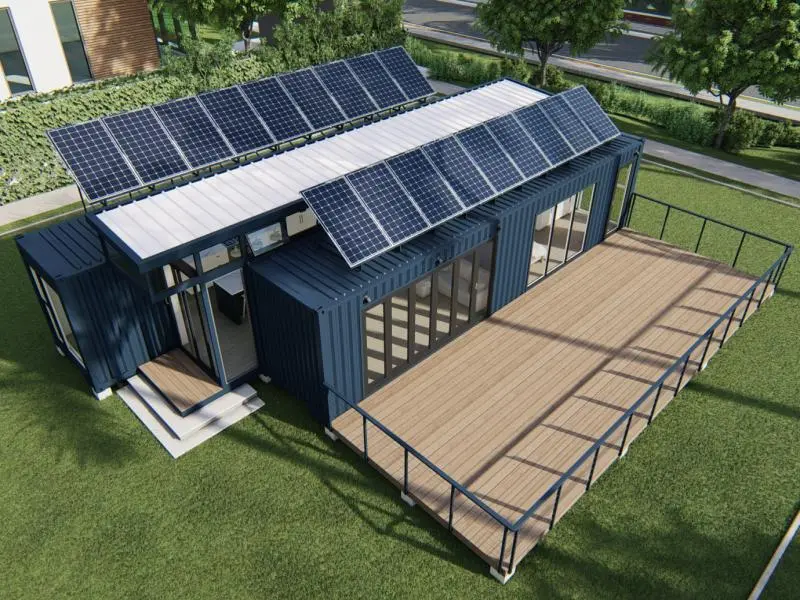
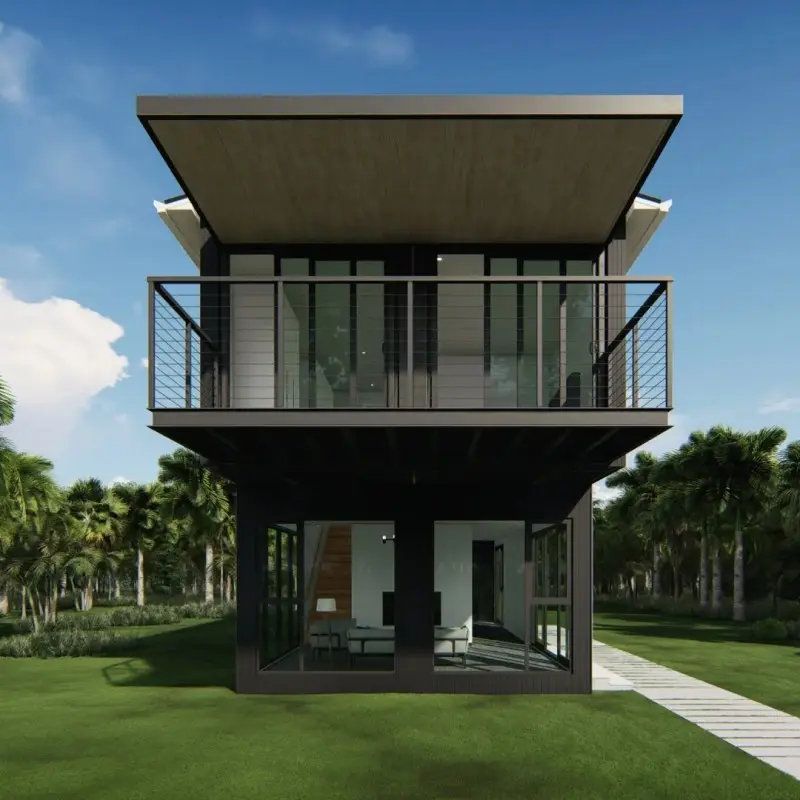
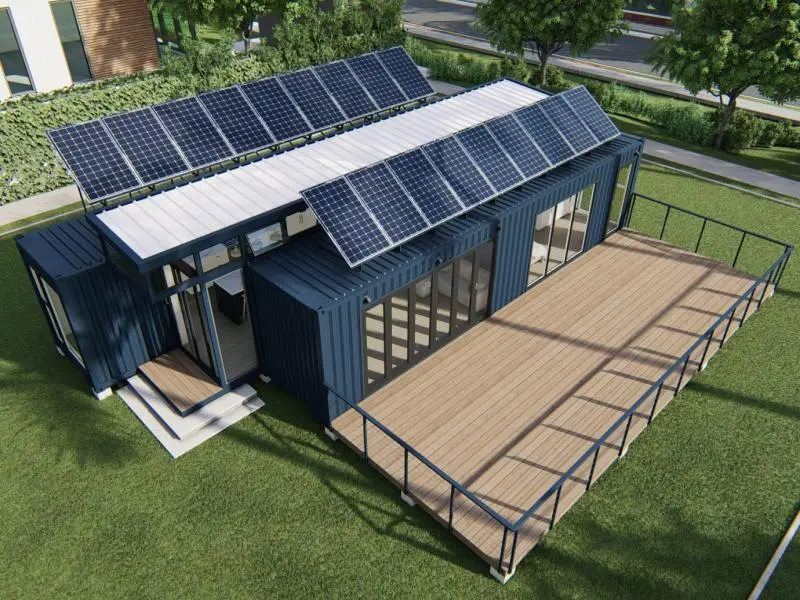
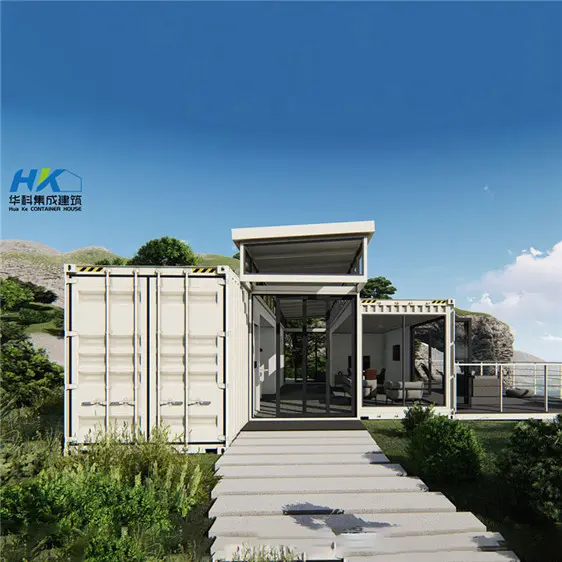
This container house will be provided solar system for electricity, featuring high-grade uPVC window frames for maximum insulation.
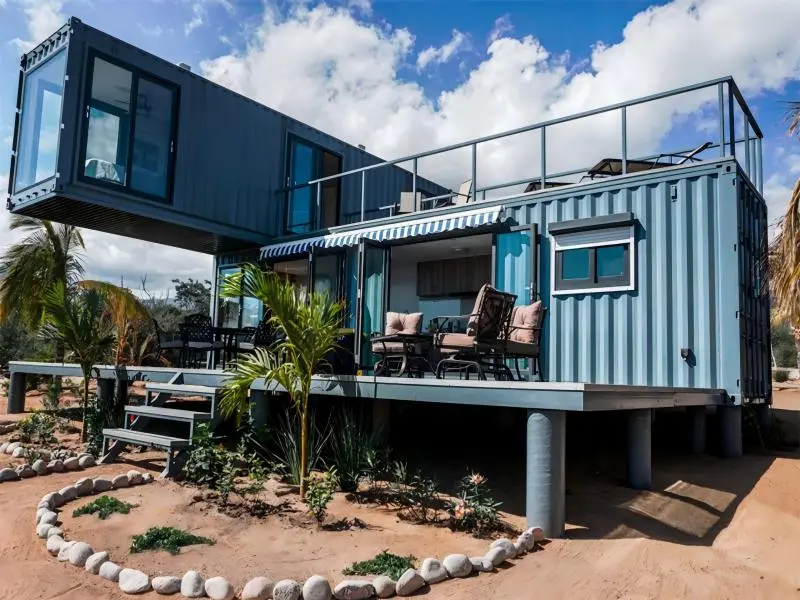
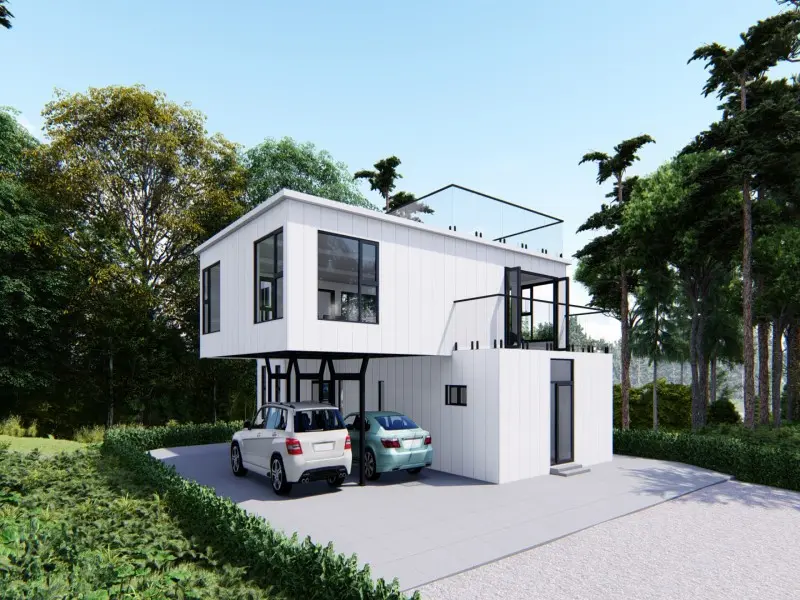
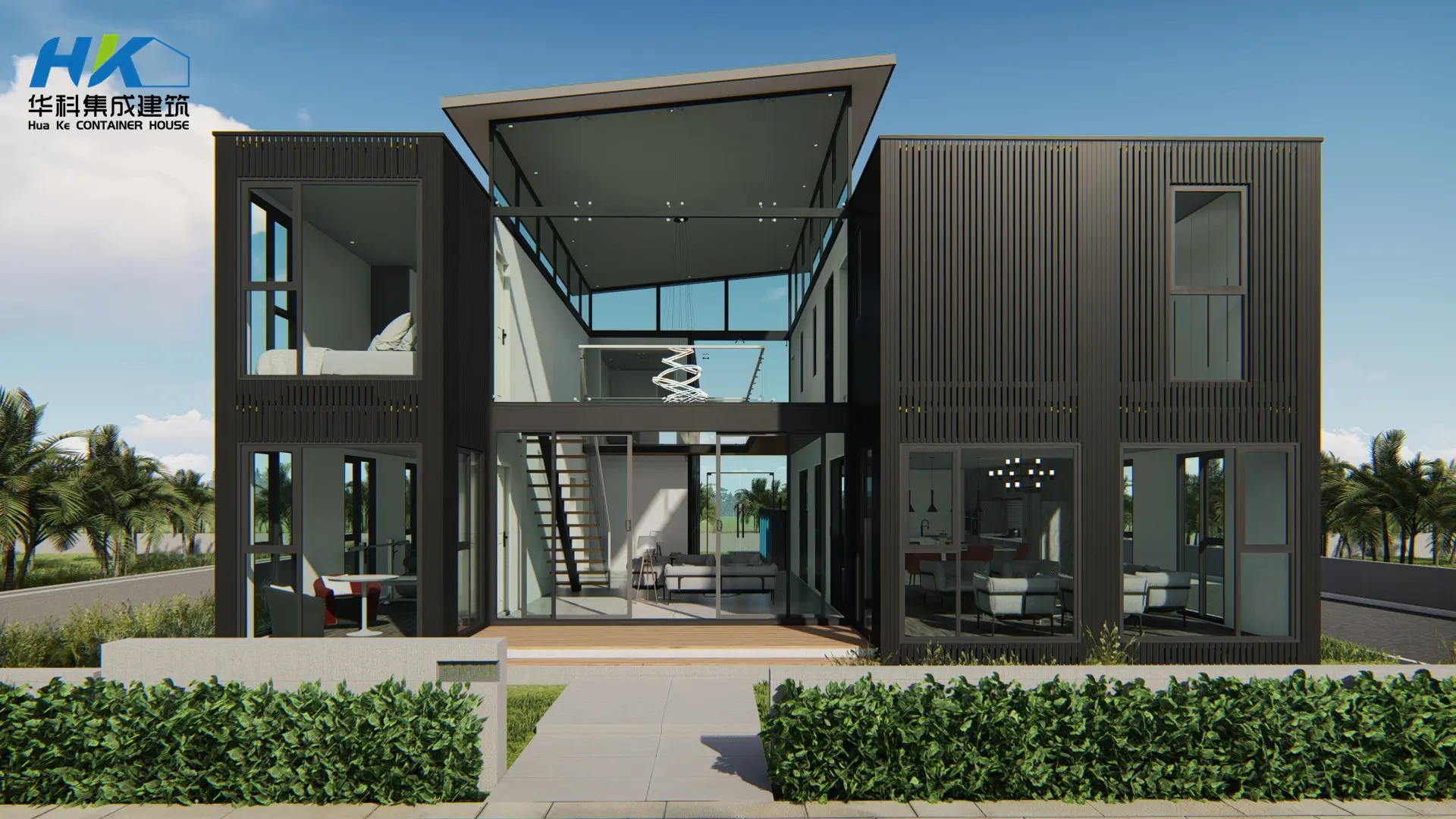
First floor: Kitchen, bathroom. Second floor: two bedrooms. Equipped with luxury aluminium sliding doors.
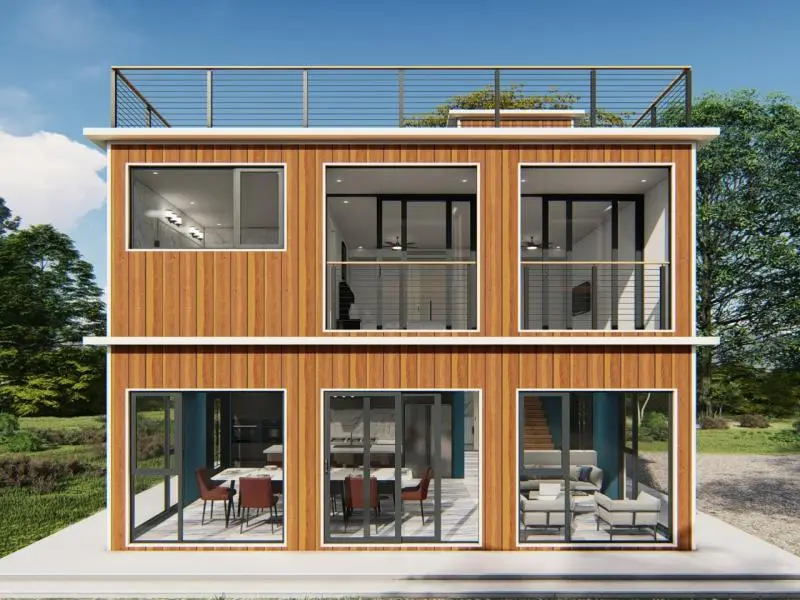
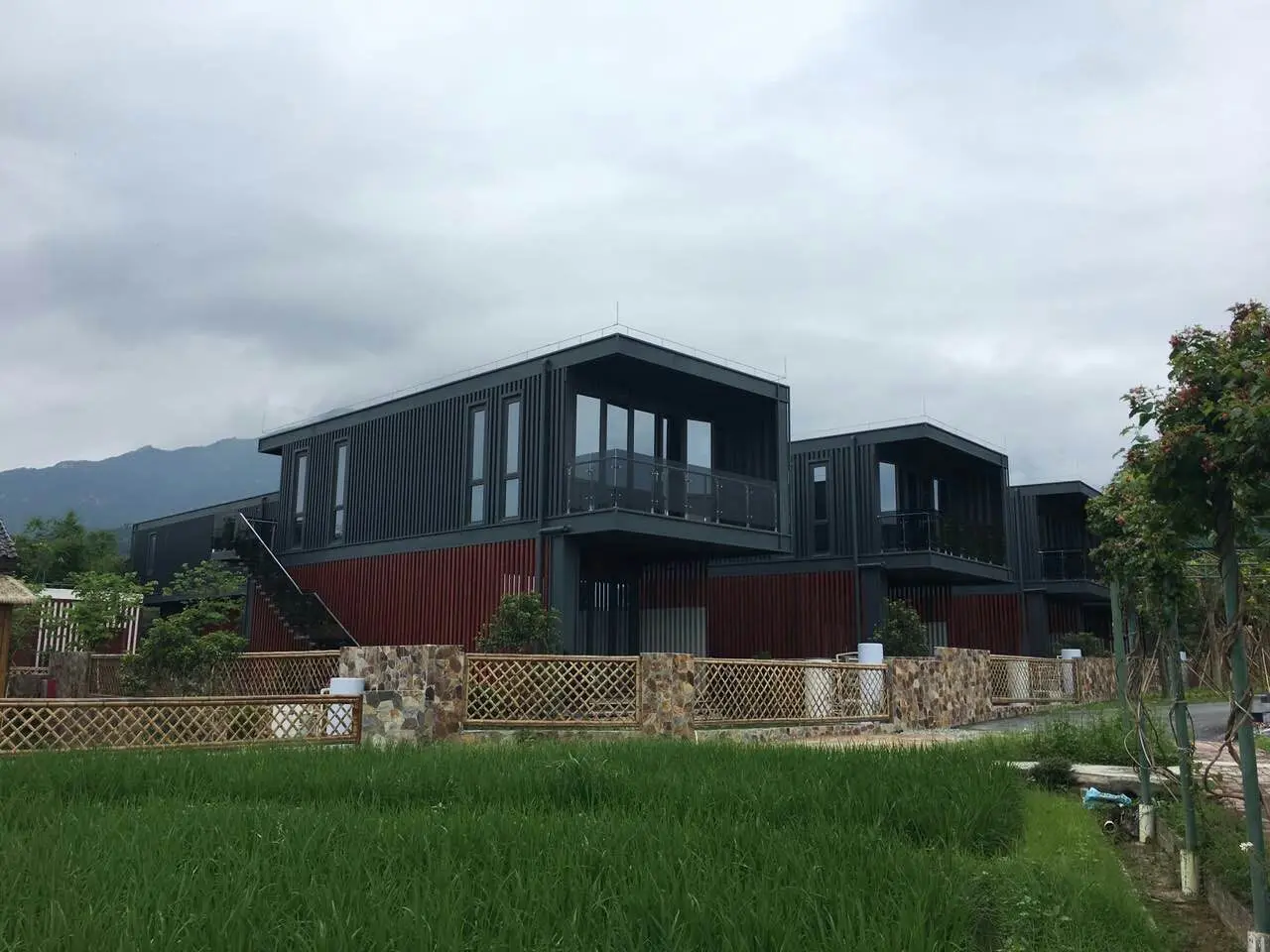
Spacious living space like a multi-story mansion with floor-to-ceiling aluminium curtain walls.
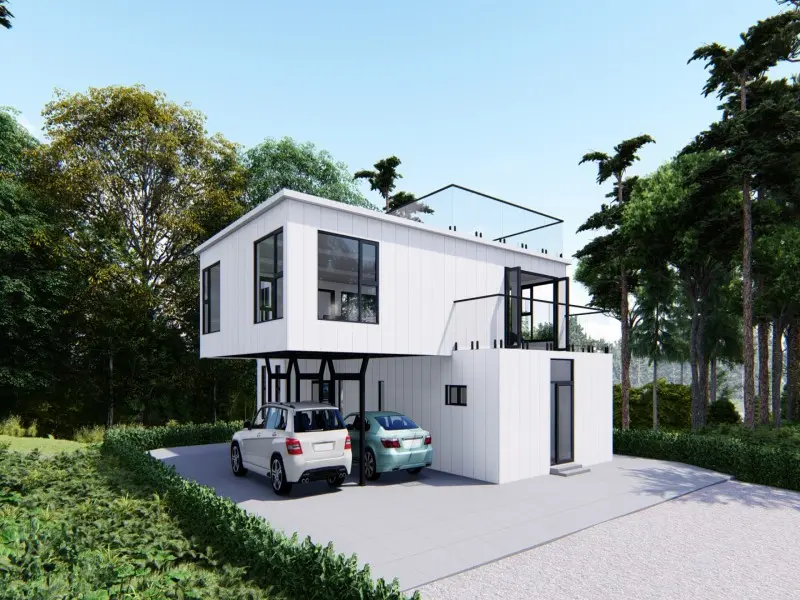
Total construction area 251.4 sqms. Featuring high-durability thermal windows.
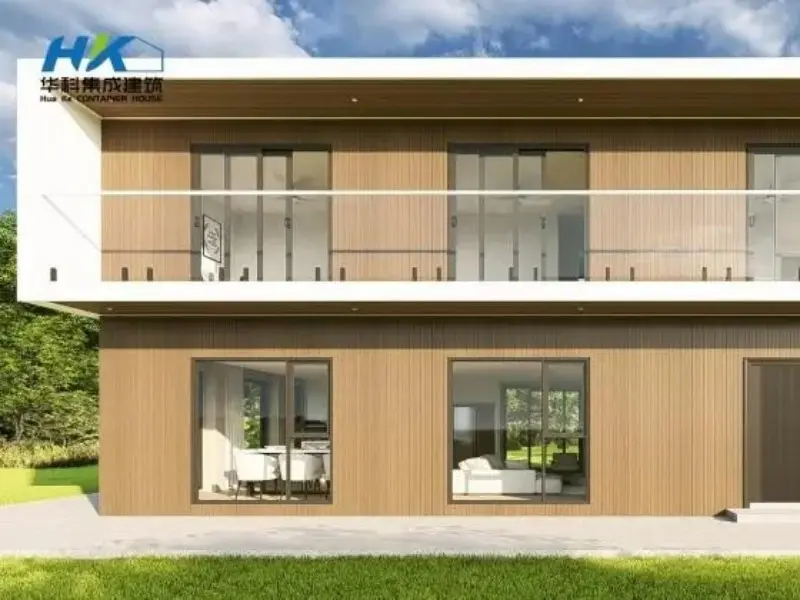
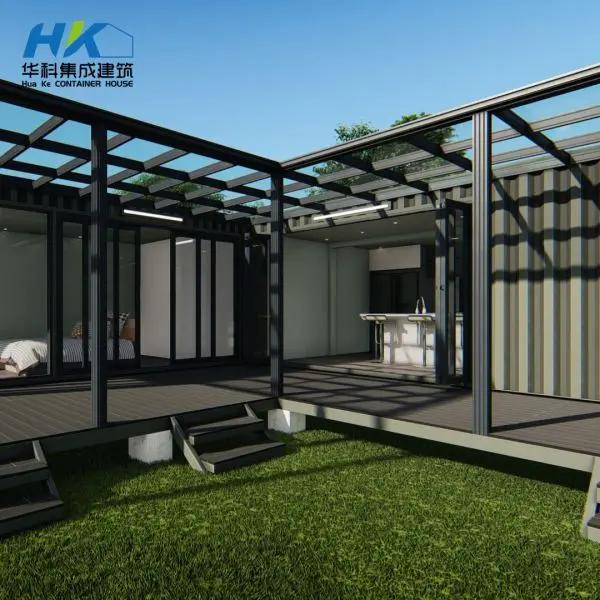
Embodying contemporary living with a 270-degree porch and panoramic aluminium window systems.
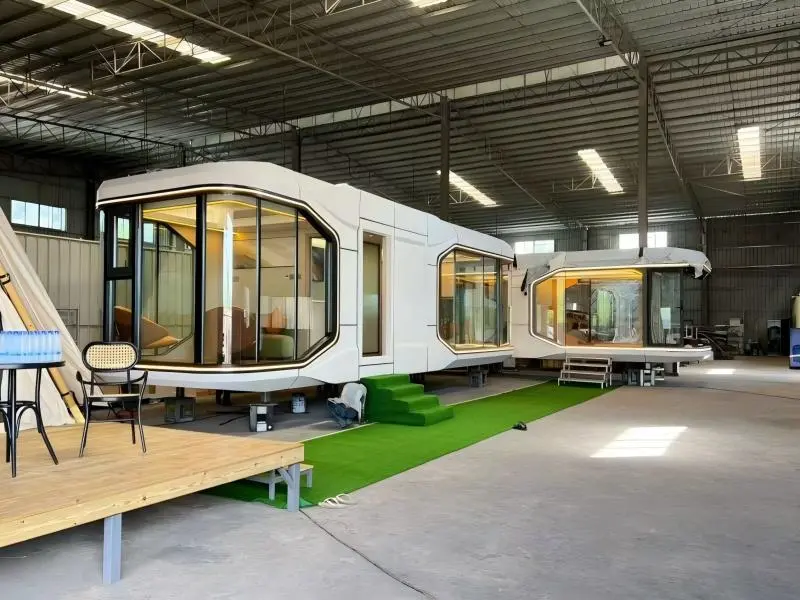
Modular customized property with curved double-glazed viewing windows.
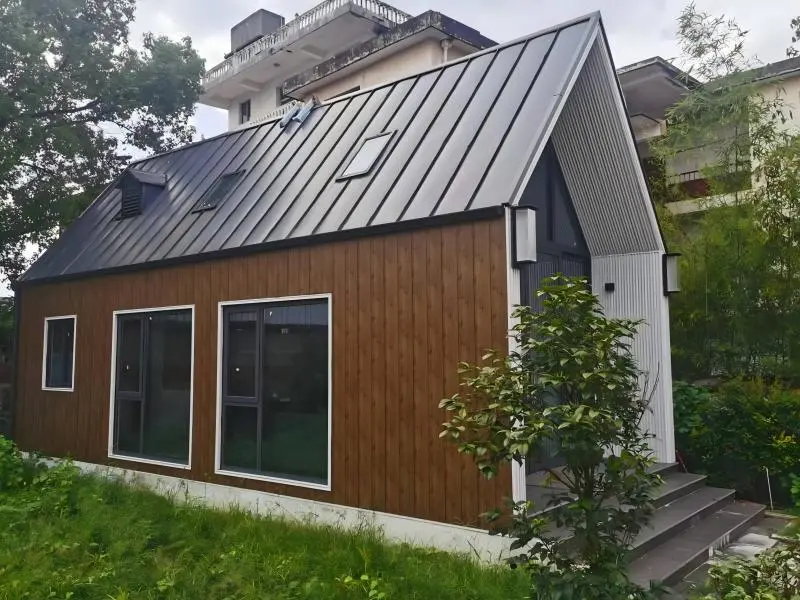
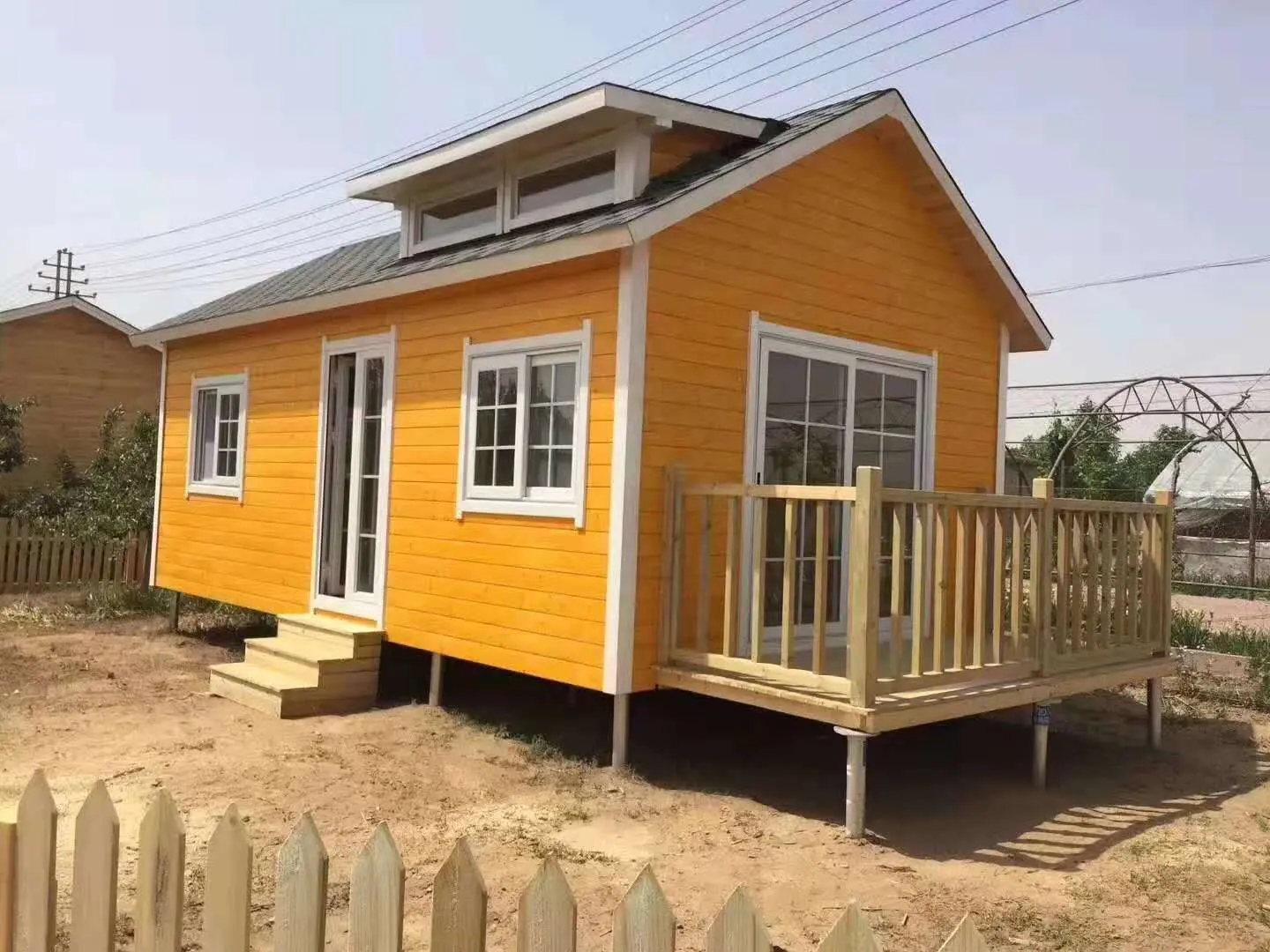
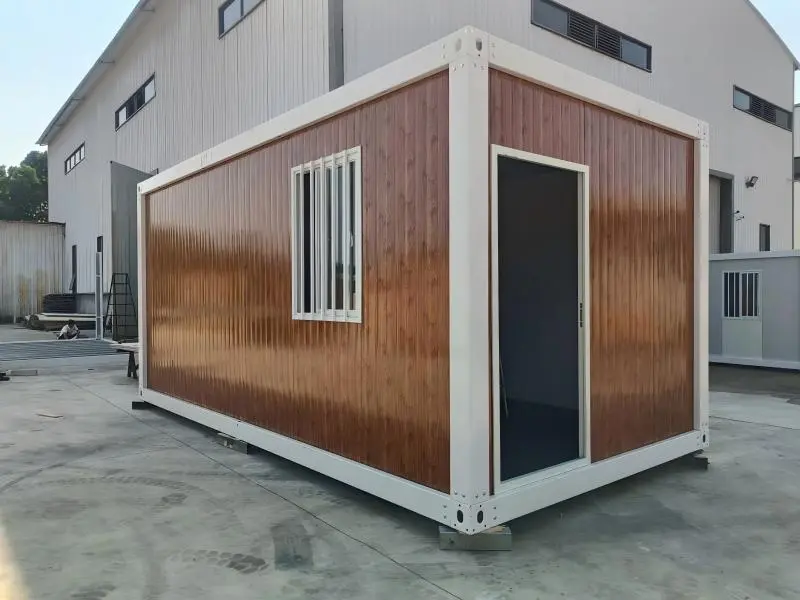
Easy assemble at site, all building materials including uPVC window sets are prefabricated.
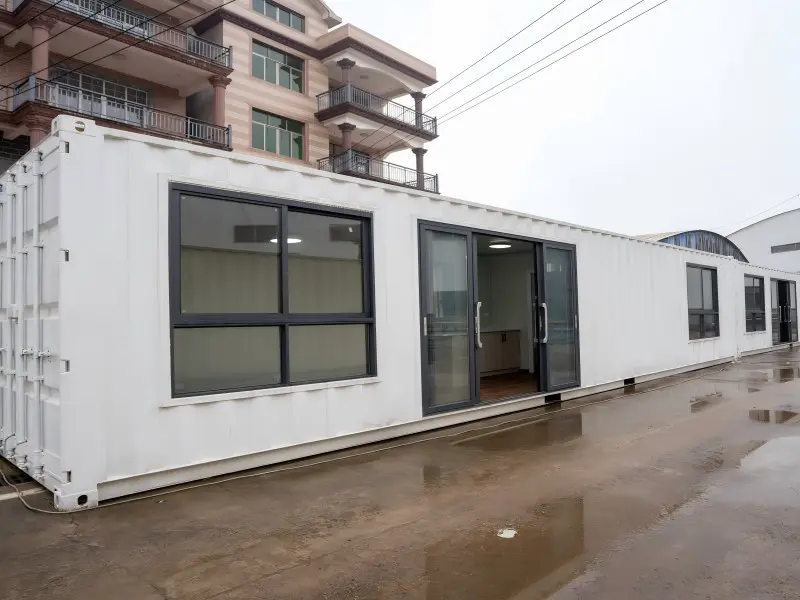
Exported to Australia. High-performance fenestration complying with AS2047 standards.
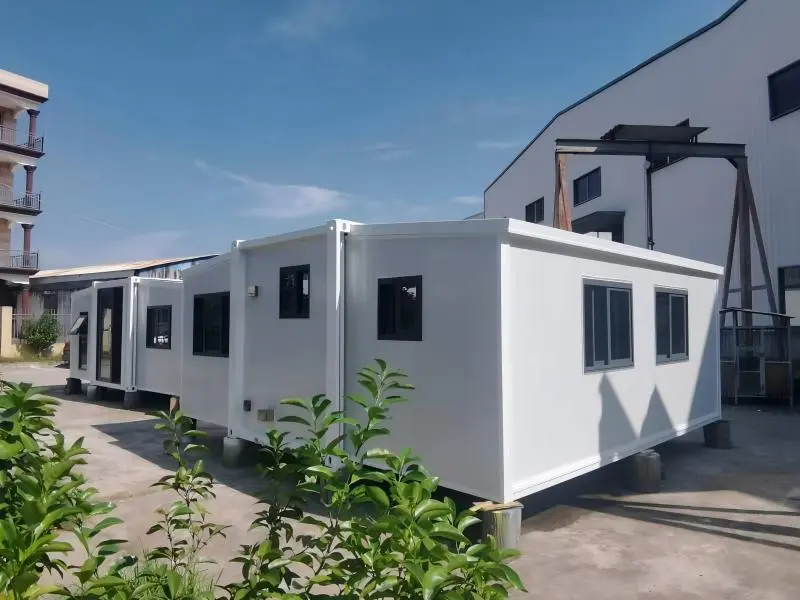
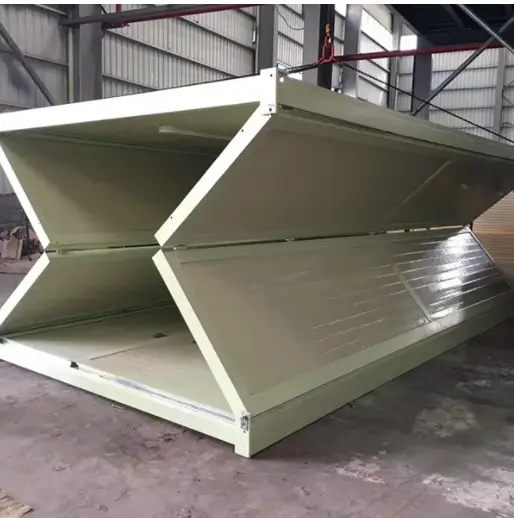
Unfolds to 37m², featuring folding window mechanisms for rapid deployment.
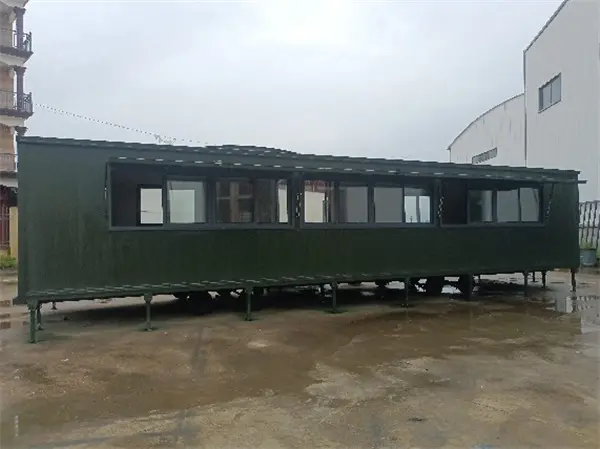
The perfect solution for short-term office and residential needs in harsh environments.
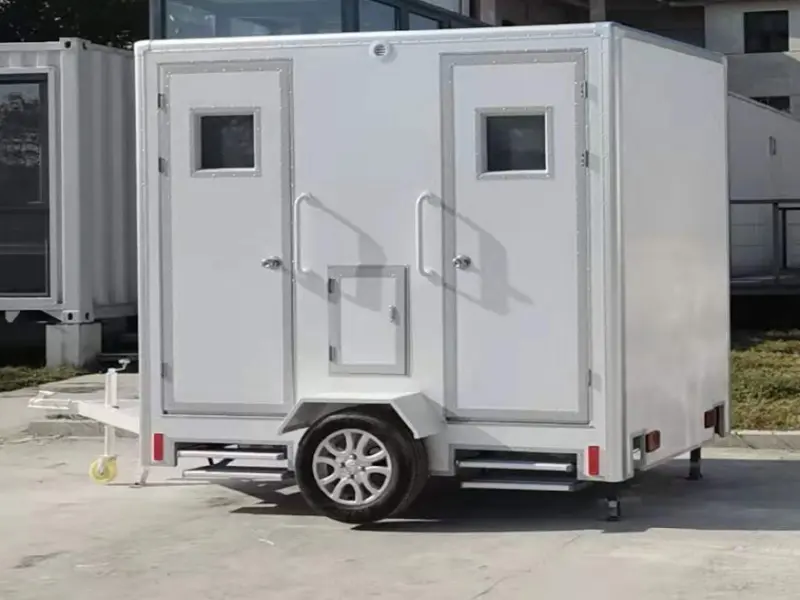
Fiberglass construction with frosted uPVC ventilation windows for privacy.
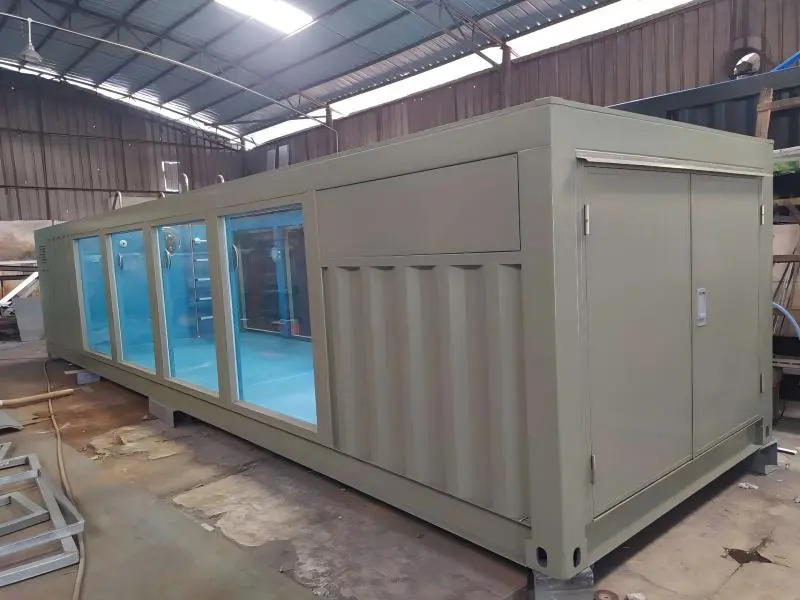
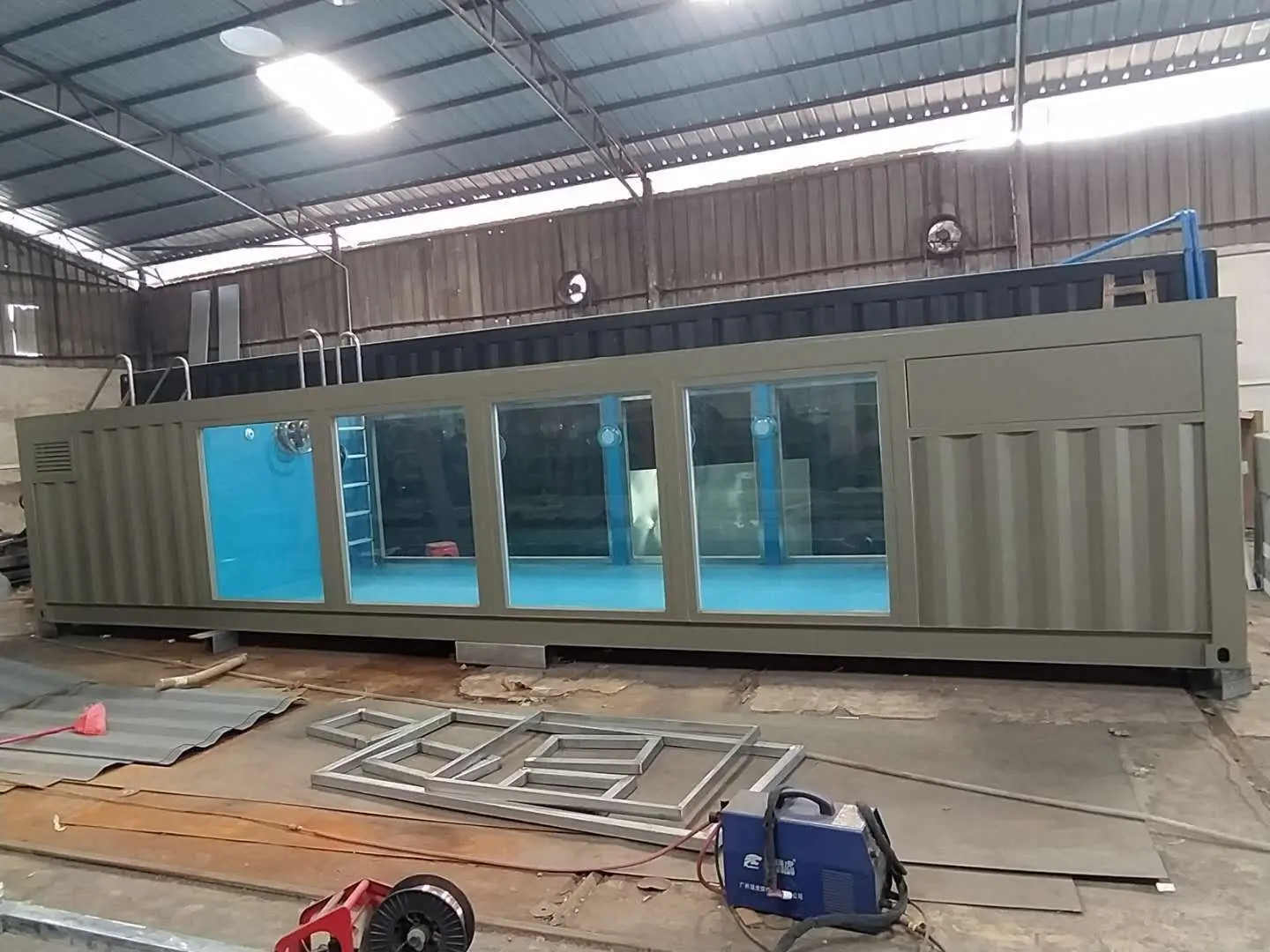
Custom luxury backyard pool designs utilizing reinforced transparent acrylic or glass walls.
Jiangxi Huake prefab building Co., Ltd. was established in 2010, located in yanshantown, shangrao city, jiangxi province, China. We have two mordern workshops covering an area of 12000 square meters. After so many years hard working, we are becoming one of the leading company on design and manufacture on prefabricated building file.
We offer professionally services on modify containers and convert them into hotel, coffee shop, house, offices, Accommodations, Tools Rooms, Stores Rooms etc. Most products are exported to Europe, the USA, Australia and South east Asia, South Africa and so on.
Our Primary aim and goal is to build comfortable and satisfaction house for customer. Hua Ke container house is the builder for your dream home.
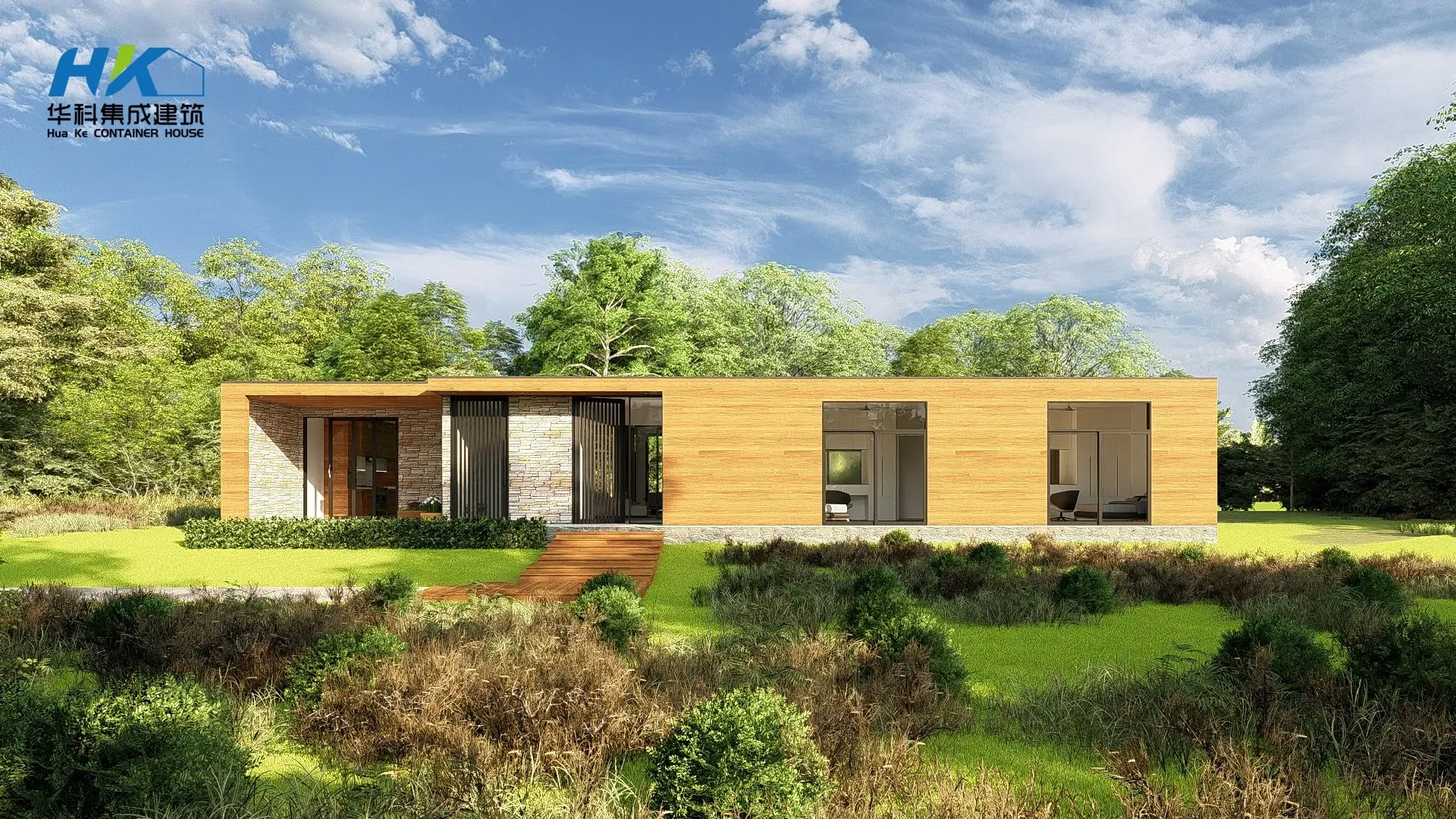
What will happen when the exterior wall of the container house is installed with cladding panels? Protection from the Elements: Cladding acts as a barrier against weather conditions such as rain, snow, wind, and UV rays.
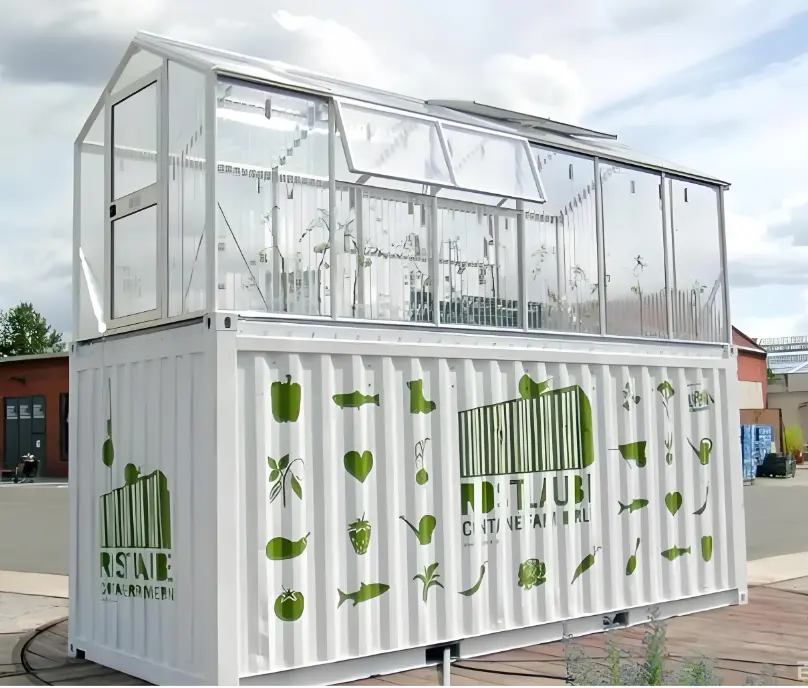
Container Farm with Hydroponic System for Urban Vertical Farming: Using repurposed shipping containers as self-contained, climate-controlled environments for growing crops.
 HUA KE HOUSE