In the contemporary global construction market, Thermal Break Aluminium Windows have transitioned from a premium architectural choice to a fundamental regulatory requirement. As nations strive toward "Net Zero" carbon goals, the demand for energy-efficient building envelopes has surged. From the bustling commercial districts of New York to the futuristic skylines of Dubai, thermal break technology is the backbone of sustainable high-rise developments.
Commercial sectors are increasingly adopting these systems due to their superior U-value performance and structural integrity. Industrial facilities, particularly those requiring precise climate control like pharmaceutical labs and data centers, utilize thermal break windows to minimize heat transfer, thereby reducing HVAC operational costs by up to 30-40% annually.
The industry is currently witnessing a paradigm shift driven by AI-integrated manufacturing and smart materials. Key trends include:
Established in 2010, Jiangxi Huake brings over a decade of specialized experience in prefabricated structures and advanced building materials. Our 12,000 sqm workshop ensures precision at scale.
We have successfully delivered high-performance solutions to Europe, USA, Australia, and SE Asia, complying with diverse international building codes and energy standards.
Our products aren't just built; they are engineered. From modified container units to specialized thermal window systems, we focus on durability and user comfort.






Global enterprises have varied requirements based on their geographical location. High-quality thermal break aluminium windows are designed to solve these specific localized challenges:
Our factory in Jiangxi, China, utilizes precision extrusion technology and automated assembly lines to meet these diverse B2B procurement demands, offering OEM and ODM services that tailor every window to the specific climatic needs of the client.
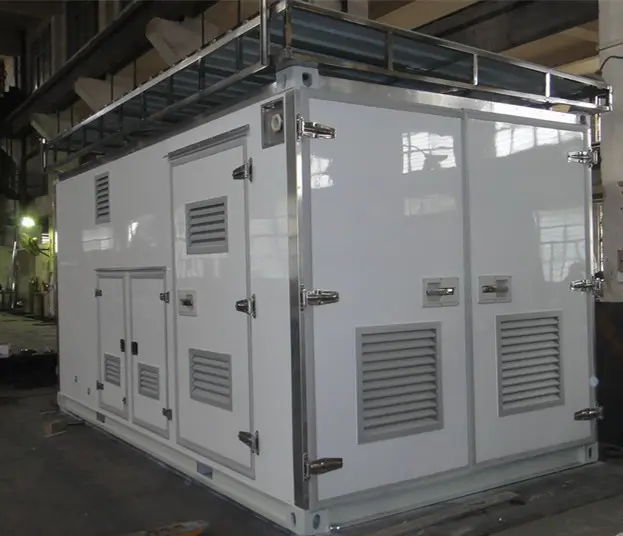
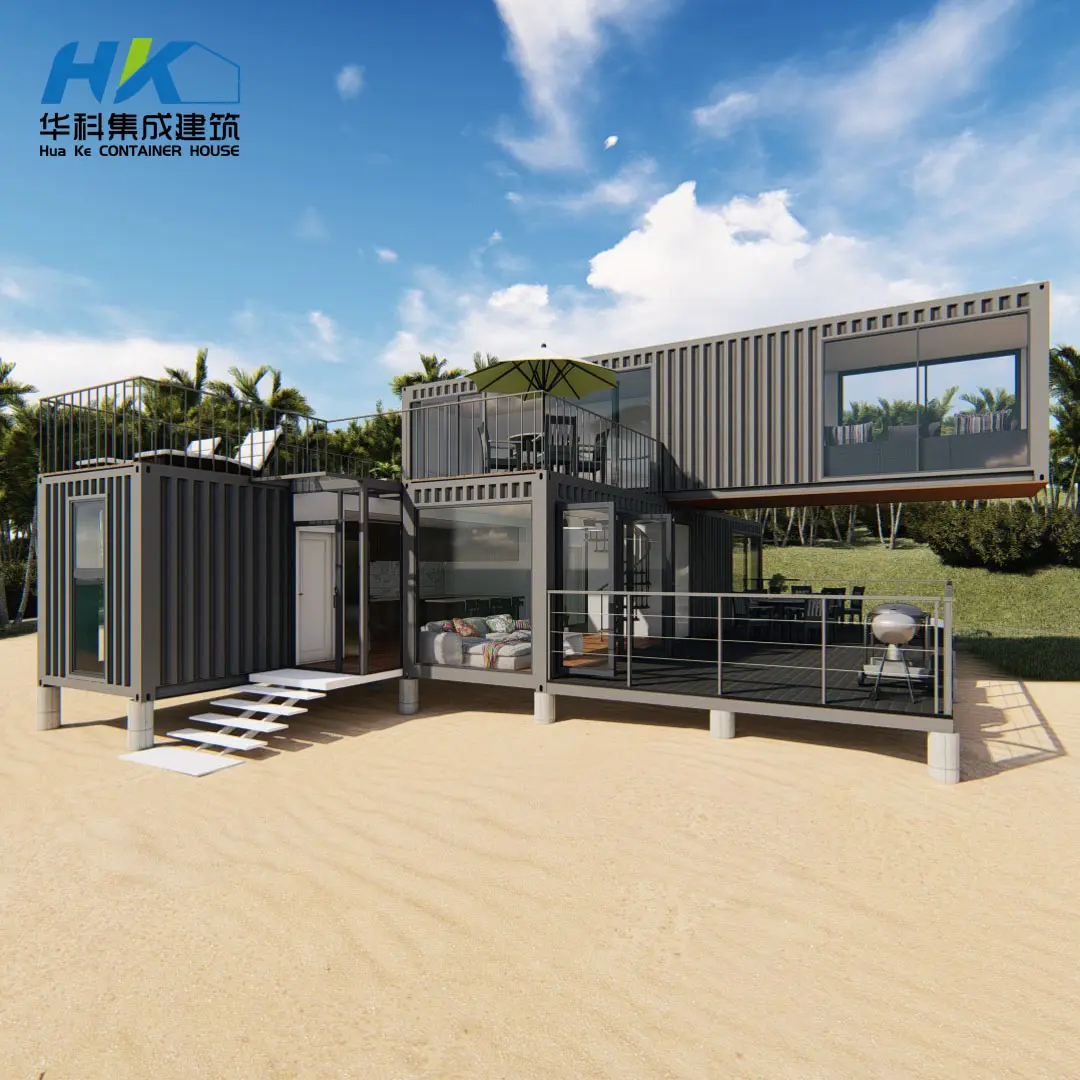
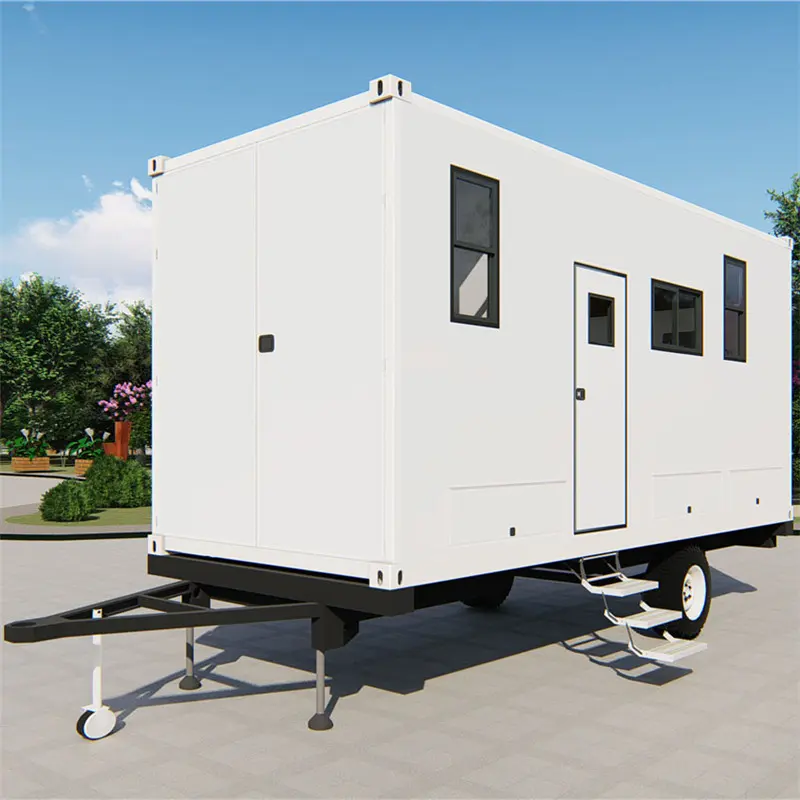
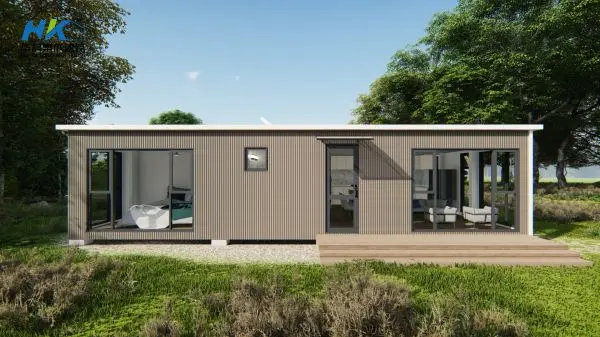
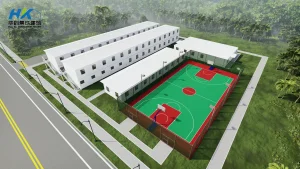
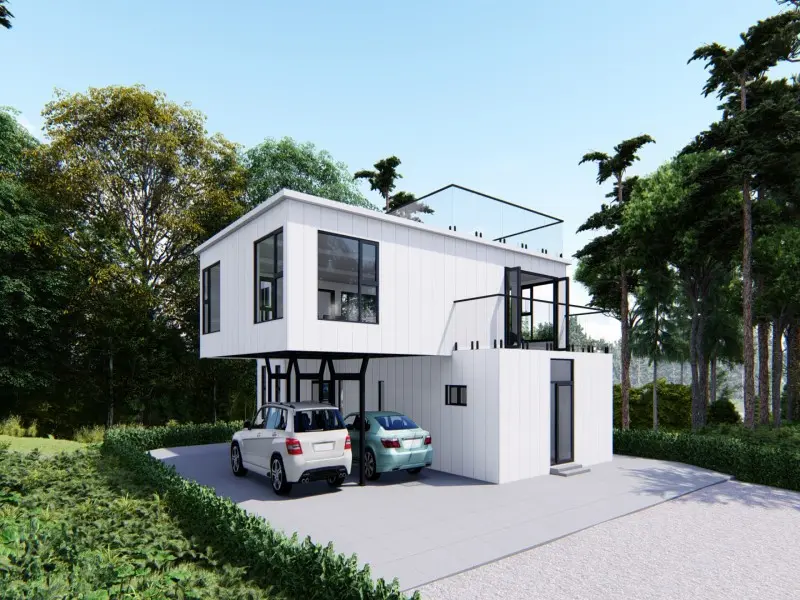
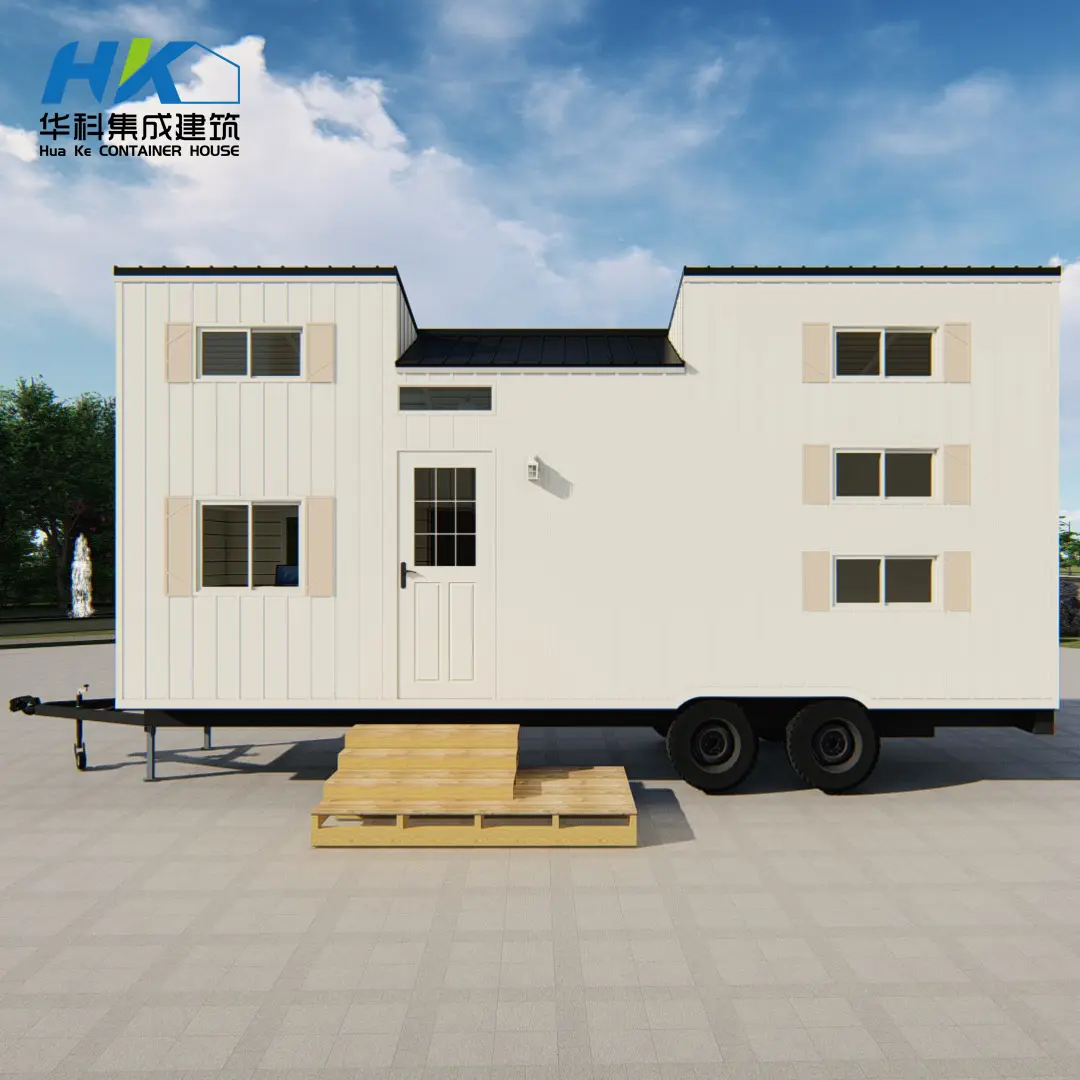
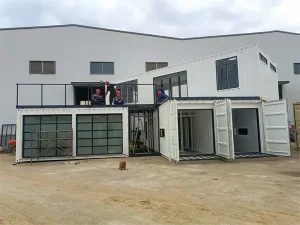
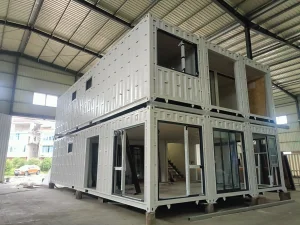
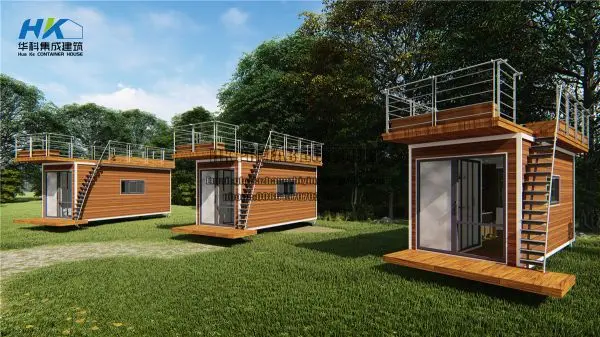
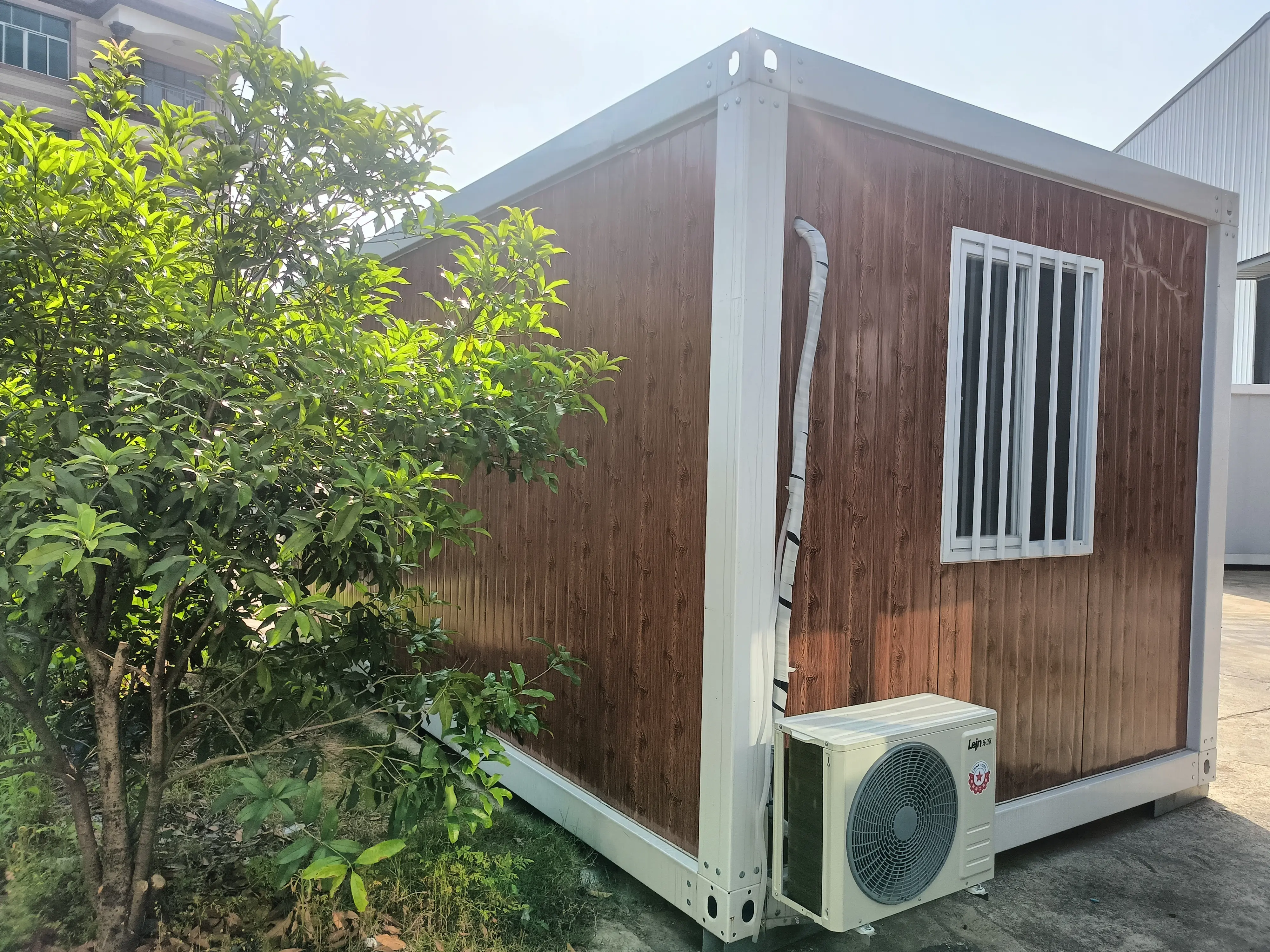
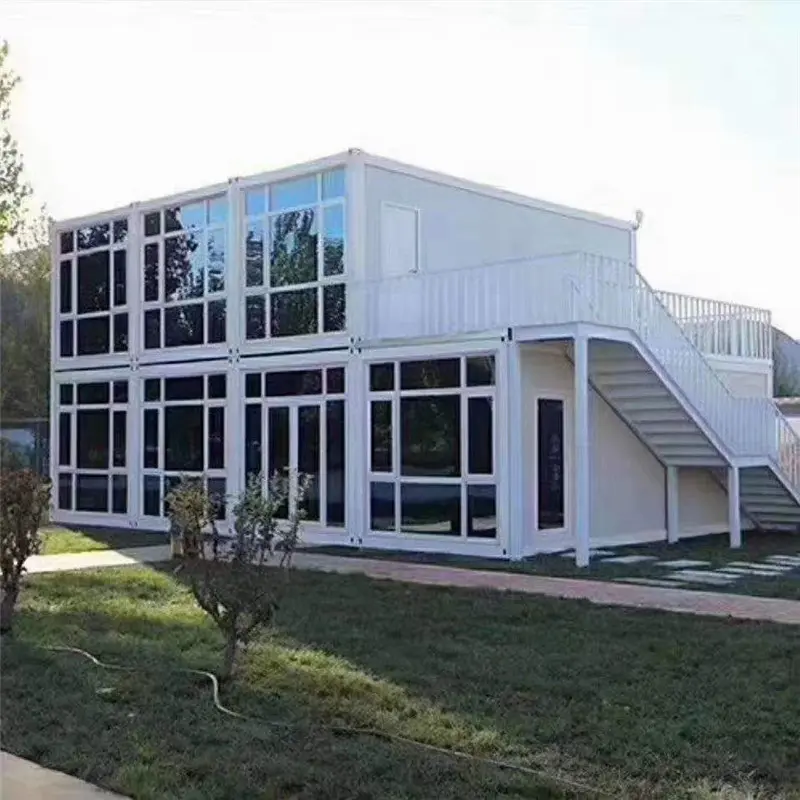
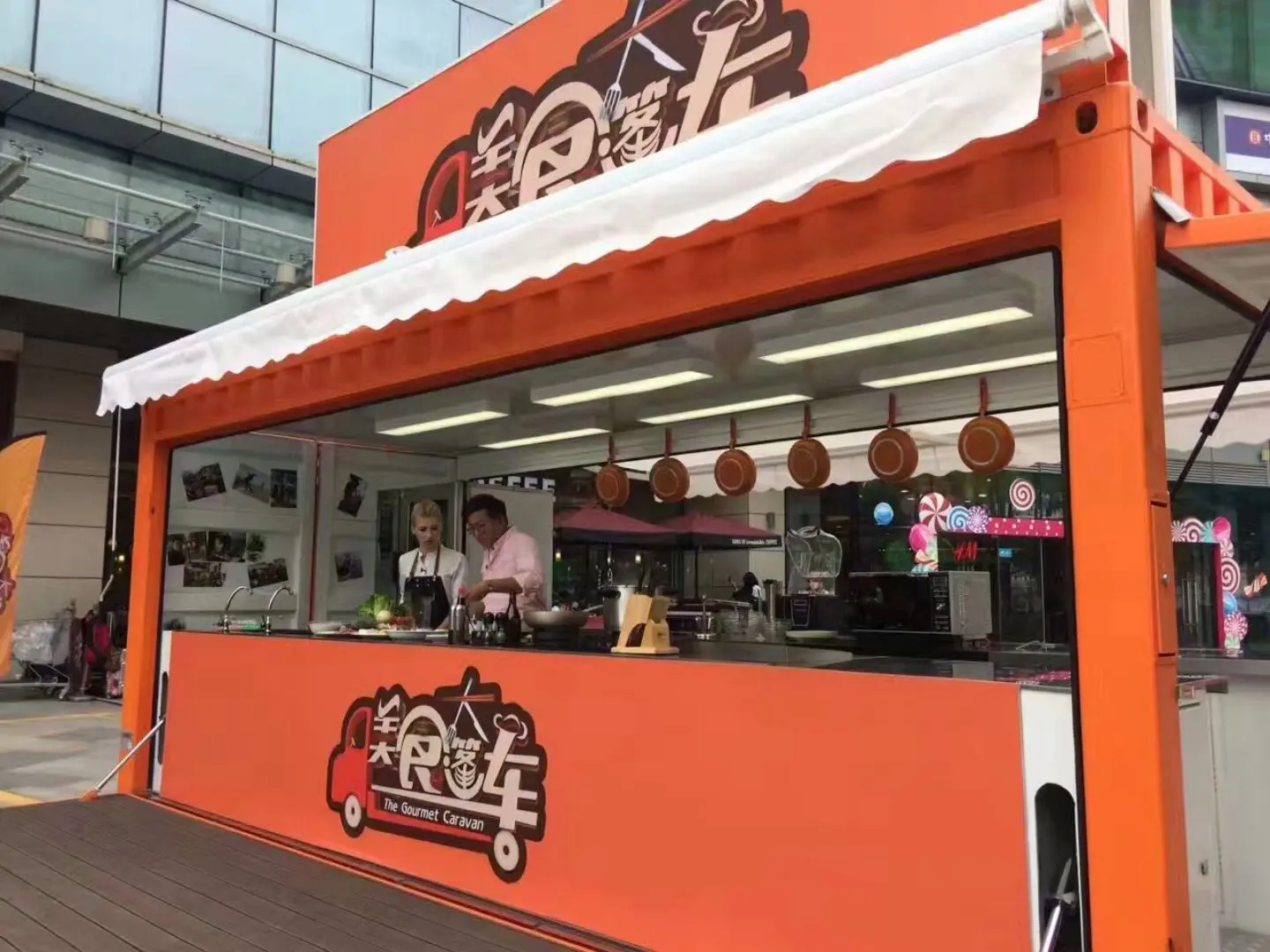
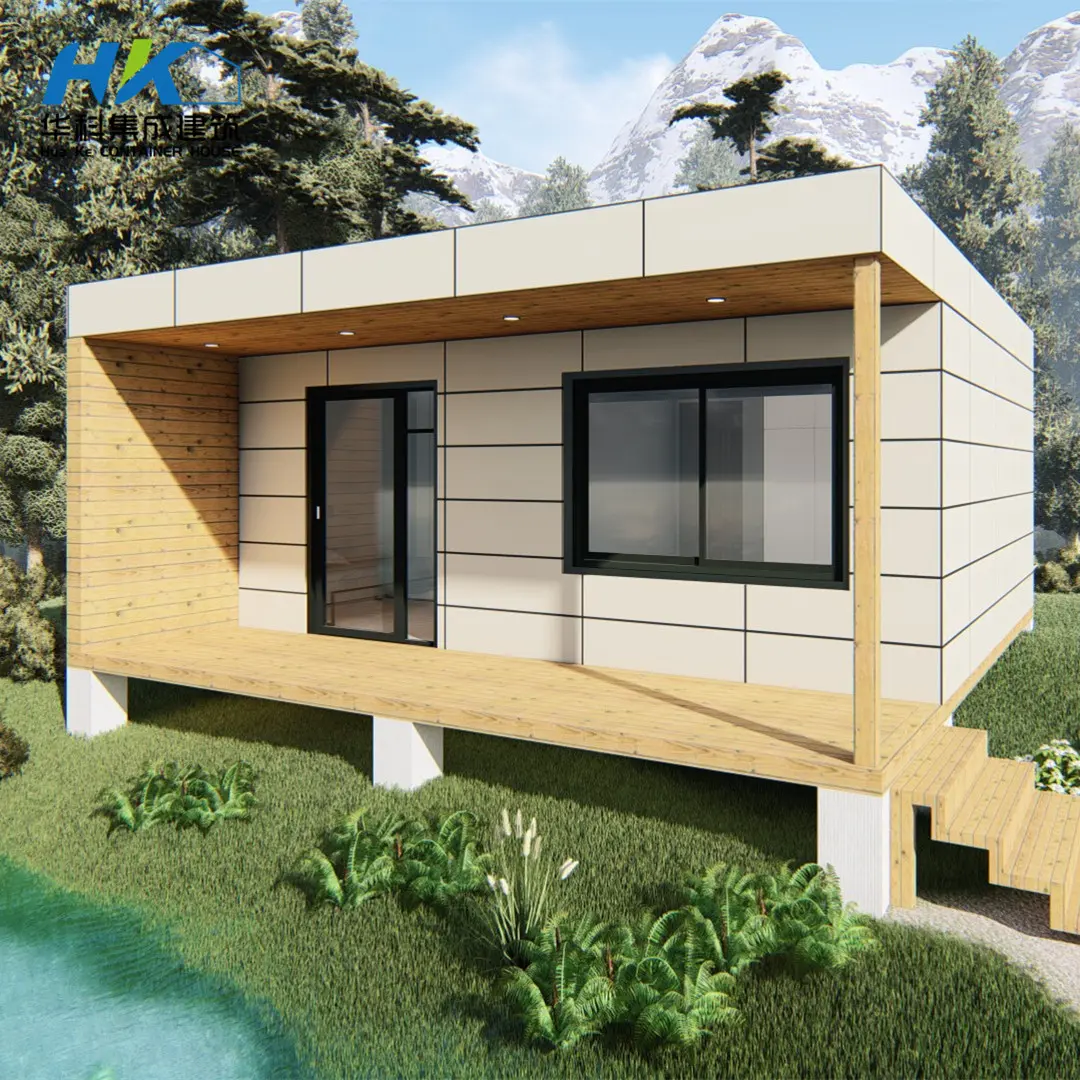
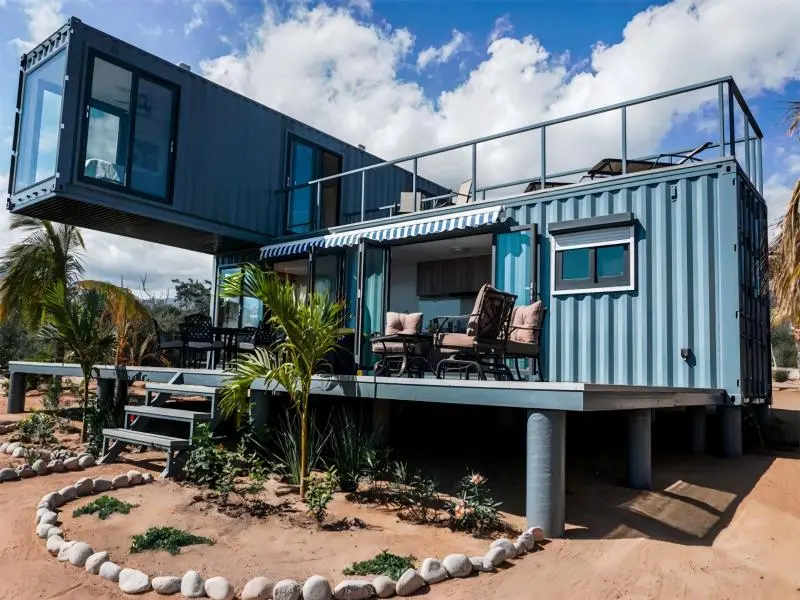
At Jiangxi Huake Prefab Building Co., Ltd., our primary aim is not just to sell products but to build "satisfaction houses." Whether it's a Luxury Modified Container House or a high-performance Equipment Shelter, the integration of high-quality thermal windows ensures that every structure is a sanctuary of comfort and efficiency. Our 12,000 square meter facility serves as a hub of innovation where we convert standard shipping containers into luxury hotels, coffee shops, and offices that meet the world's most stringent quality standards.
Jiangxi Huake prefab building Co., Ltd. was established in 2010, located in yanshantown, shangrao city, jiangxi province, China. We operate two modern workshops covering an area of 12,000 square meters. As a leader in the design and manufacture of prefabricated buildings, we specialize in converting containers into high-end hotels, offices, and accommodations.
Our commitment to quality and architectural innovation has made us a preferred supplier for projects in the USA, Australia, and beyond.
Our Thermal Break Aluminium Windows utilize high-density polyamide insulating strips (PA66 GF25) which are mechanically crimped between the interior and exterior aluminium profiles. This creates an insulated barrier that breaks the path of thermal conductivity. Compared to traditional solid aluminium frames, our thermal break systems provide:
For large-scale industrial procurement, our supply chain resilience in Jiangxi ensures that we can handle high-volume orders with consistent quality control. We offer a variety of finishes, including fluorocarbon spraying, powder coating, and wood-grain heat transfer, allowing our products to blend seamlessly with any architectural vision.
As the construction industry moves towards more eco-friendly practices, Jiangxi Huake is proud to be at the forefront. Our manufacturing process minimizes waste through advanced nesting software for aluminium cutting and efficient recycling of scrap material. Thermal break technology itself is a primary contributor to a building's LEED (Leadership in Energy and Environmental Design) or BREEAM certification. By reducing the energy load required for heating and cooling, our windows contribute to a lower operational carbon footprint for the entire lifecycle of the building.
 HUA KE HOUSE