Explore our industrial-grade, precision-manufactured mobile units and containerized building systems designed for structural durability and rapid deployment.
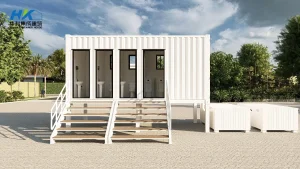
Industrial-grade modular sanitation units constructed with heavy steel framing for durability in extreme remote settings.
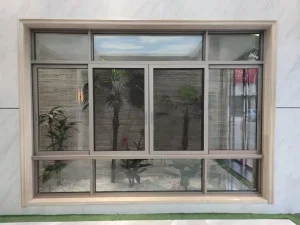
High-end aluminum alloy framing systems optimized for acoustic isolation and thermodynamic efficiency.
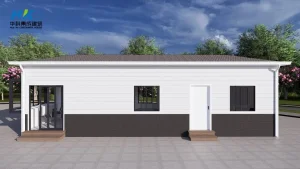
Precision-built light gauge steel structures providing superior load-bearing capacity and wind resistance.
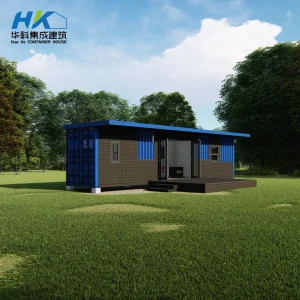
Fully expandable and modular container formats featuring versatile internal layouts for living or commercial use.
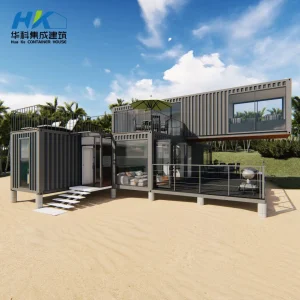
Spacious multi-level architectural steel living systems engineered with structural wind-load certifications.
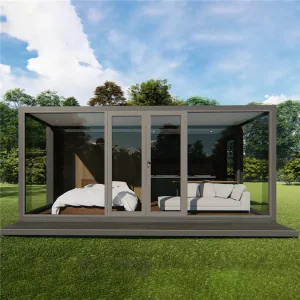
Turnkey, compact prefabricated residential container designs incorporating smart spatial optimization.
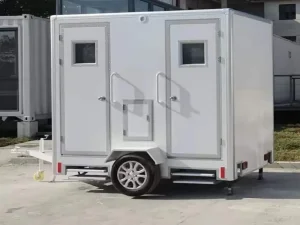
Highly transportable, corrosion-resistant fiberglass trailer toilets for events, mining camps, and off-road worksites.
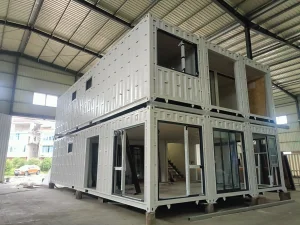
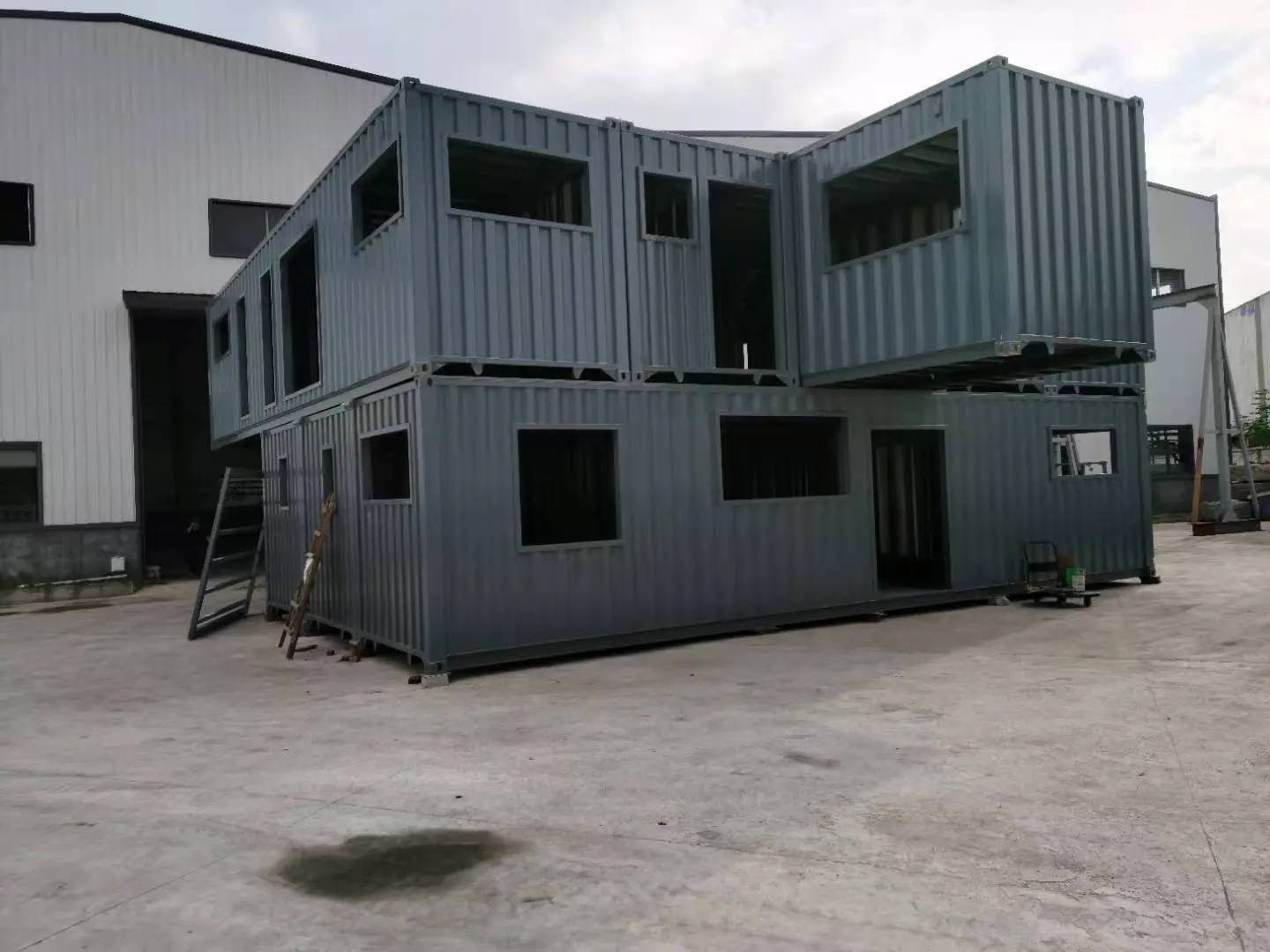
Multi-story configurations combining architectural versatility with the structural rigidity of ISO shipping containers.
An in-depth analysis of structural integrity, engineering trends, and thermal efficiency requirements for modern off-grid environments.
The global demand for rugged, high-performance mobile shelters has experienced a paradigm shift over the past decade. No longer confined to recreational camping, the crossover between off-road pop-top campers and modular industrial structures has created a new category of mobile infrastructure. High-altitude mining operations, eco-tourism projects in protected ecological reserves, and emergency response operations now leverage structural platforms that share the exact engineering lineage of off-road caravans. Key to this development is the integration of heavy-duty chassis designs, high-strength structural steel, and pop-top mechanism profiles that maximize spatial volume while maintaining a low aerodynamic profile during transit.
Globally, manufacturers are focusing heavily on materials like fiberglass composites, light-gauge steel (LGS), and structural aluminum alloys to reduce weight without sacrificing torsional rigidity. The mechanical requirement is clear: structures must withstand the severe vibrations and structural stress of class-4 off-road tracks (featuring washboards, corrugated gravel, and off-camber dynamics) while ensuring absolute environmental sealing when stationary. This structural demand has pushed factories to transition toward advanced monolithic wall panels, closed-cell polyurethane spray foam cores, and integrated off-grid energy generation platforms.
Traditional mobile framing systems fail under continuous vibration due to mechanical fastener fatigue. Modern factories now employ structural polyurethane adhesives alongside high-grade LGS (Light Gauge Steel) structures and modified shipping container bodies. This combination yields a structure that can deflect stress under high-torsion movement while boasting an insulation barrier (R-value exceeding 22) through continuous spray foam application.
Categorizing our modular design pathways based on structural forms and target environmental operational conditions.






Examining thermodynamic isolation, independent photovoltaic balancing, and mechanical wind load structural integrity.
A critical engineering path for off-road campers and remote prefabricated units is the installation of structural solar generators. By utilizing high-efficiency monocrystalline solar modules, a single unit can harvest up to 48 kWh of electrical energy per day in optimal solar conditions. This system is supported by integrated Lithium Iron Phosphate (LiFePO4) battery banks offering a 30 kWh storage capacity. Combined with dynamic smart inverter networks, these mobile systems can operate off-grid indefinitely, providing power for dual-zone HVAC systems, water filtration pumps, induction cooktops, and local communication relays without the noise signature or emission profiles of fossil-fueled generators.
Whether navigating the high-amplitude temperature variations of the Sahara Desert or the sub-zero winters of Northern Europe, insulation integrity is paramount. Conventional insulation materials like fiberglass batts collapse over time due to mechanical vibration. To combat this, factories use high-density, closed-cell spray polyurethane foam (SPF). This material bonds directly to the outer structural shell, acting as both a physical thermal barrier and an air barrier, eliminating convective heat transfer through the walls. Thermal bridging is bypassed using custom-engineered structural thermal breaks, resulting in a system that drastically reduces energy consumption for both cooling and heating cycles.
The core structural design of high-grade mobile units relies heavily on Light Gauge Steel (LGS) framing or modified ISO shipping container structures. LGS offers an exceptional strength-to-weight ratio, allowing the building to absorb shear stress without warping or experiencing permanent structural deformation. Galvanized steel layers prevent rust under coastal, high-saline conditions. This structural stability is essential when designing modular systems that incorporate expandable slide-outs or pop-top lift mechanisms, ensuring that structural alignment remains intact across thousands of transit miles.
Original structural design options optimized for off-grid living, commercial hospitality, and high-performance durability.
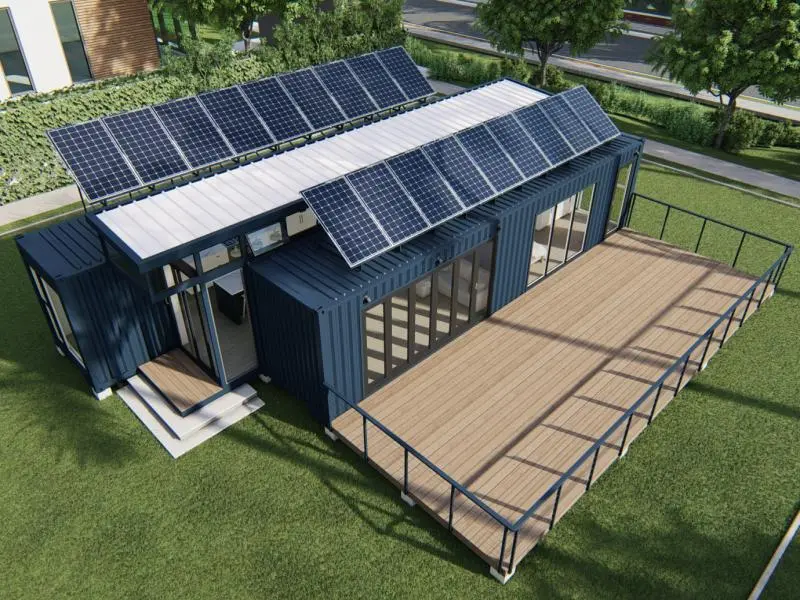
This container house will be provided solar system for electricity, the solar panel can produce 48 kw every day in good sunlight condition, and the battery can have a 30 kw storage capacity.
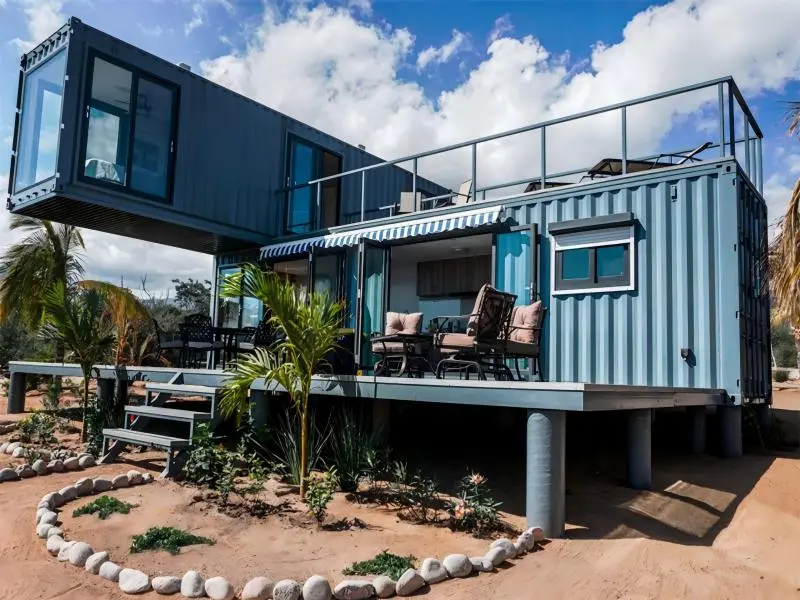
SHIPPING CONTAINER HOMES / SHIPPING CONTAINER HOUSES First floor: Kitchen, bathroom, living area, 1X40FTHC container. Second floor: two bedrooms, 1x40FT HC container. Decking area: Any size as the client wants.
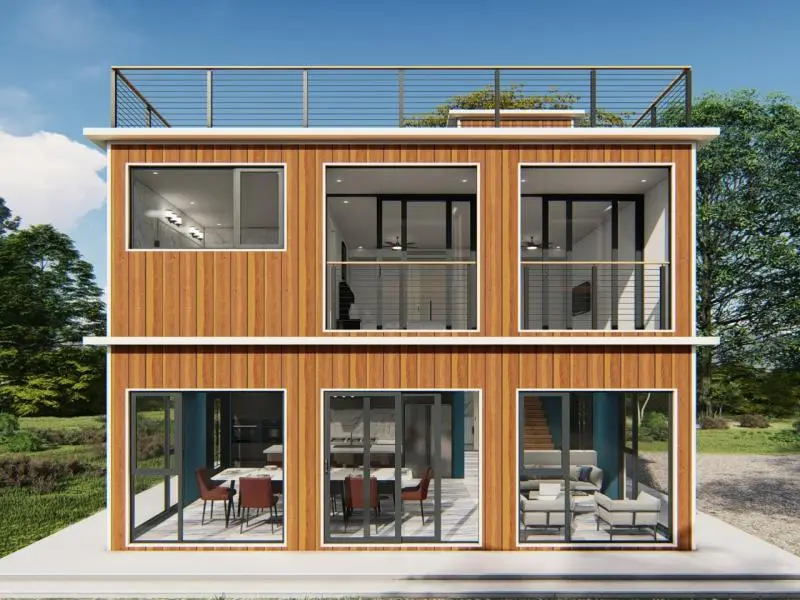
When you combine multiple shipping containers, you can build a much more spacious living space like a multi-story house or mansion.
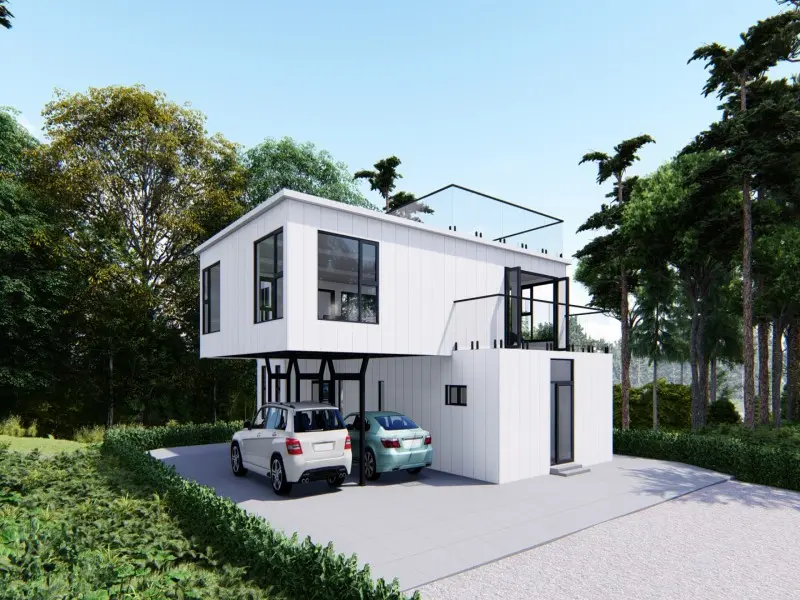
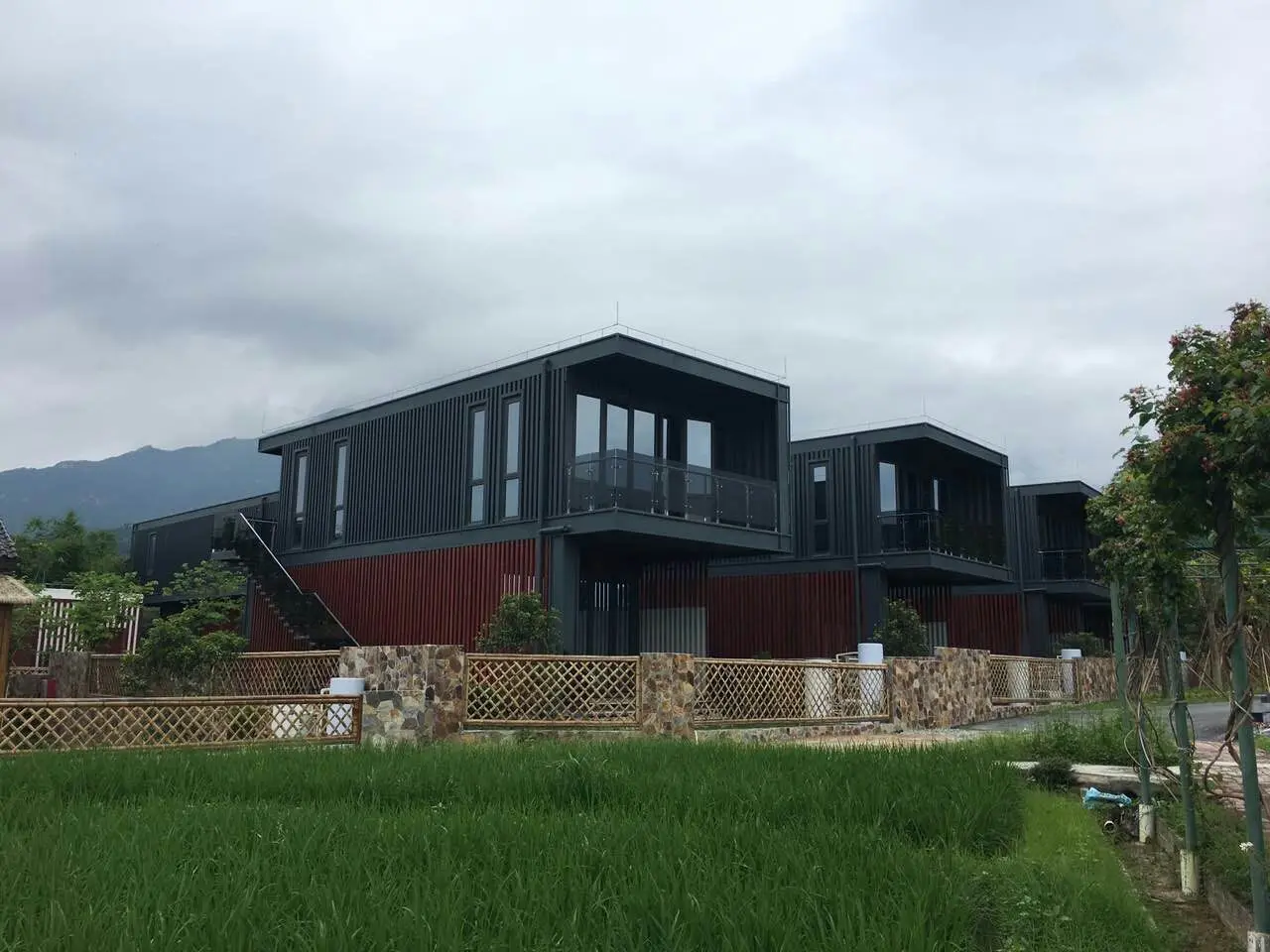
Luxury Modified Container House House area 181 sqms. + deck area 70.4 sqms. (3 decks) Totally construction area 251.4 sqms.
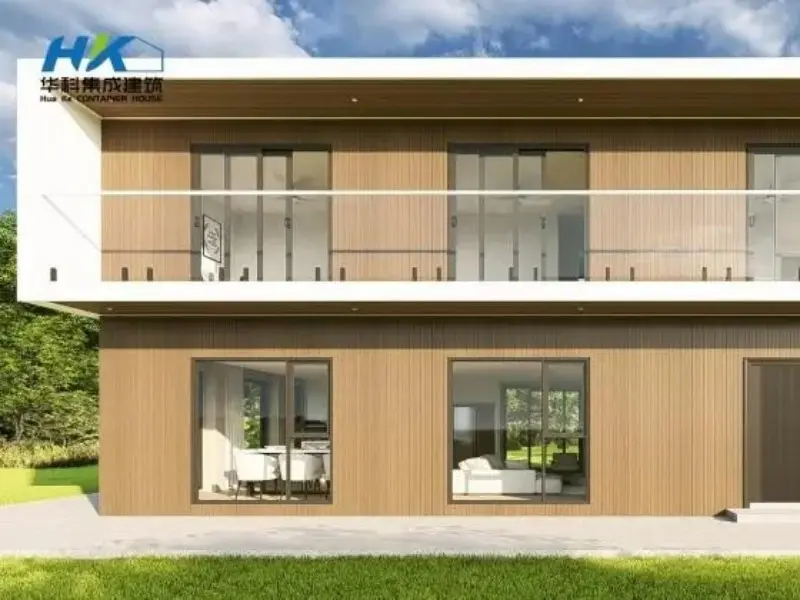
Features an impressive 270-degree porch. This design embodies the ideals of contemporary living while ensuring comfort and luxury with a 6*40ft structure.
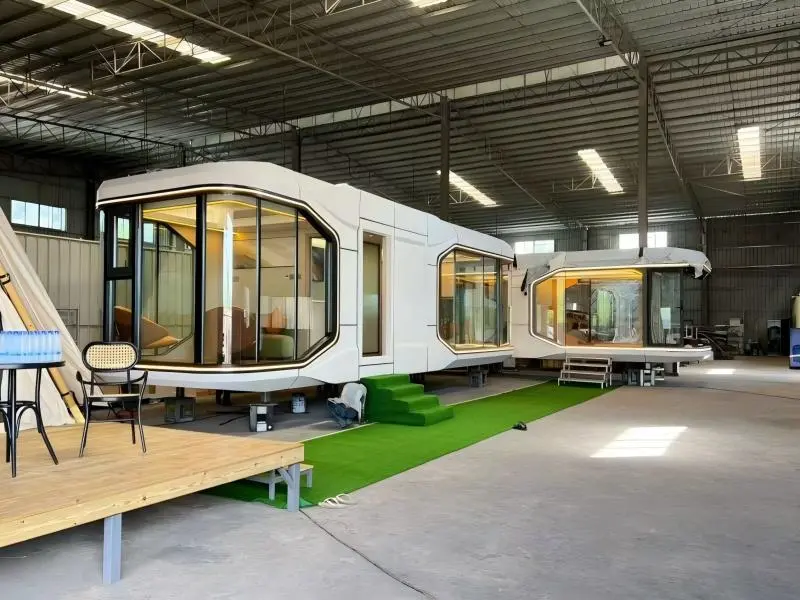
Permanent residence design featuring modular construction. High-end natural finishes and custom panoramic curved glazing.
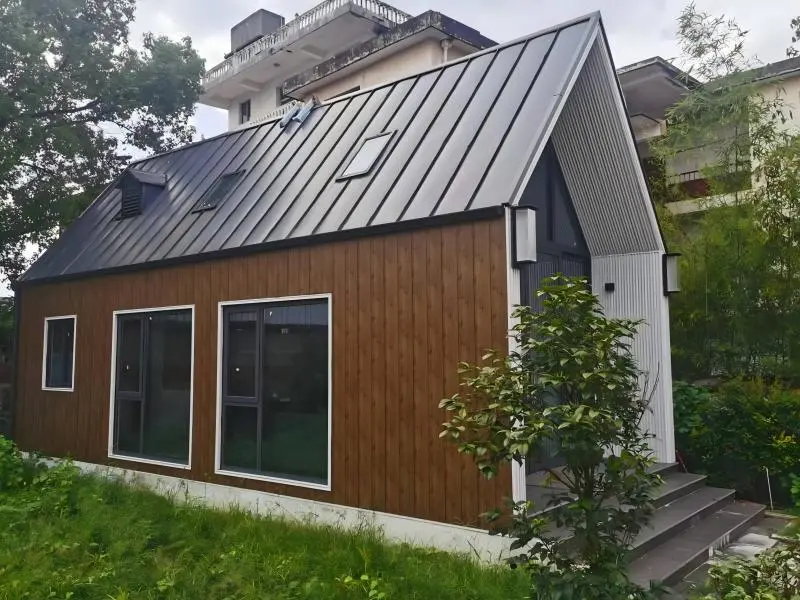
Prefabricated Wooden/Steel Panel House designed to make it easy to assemble at site. All the building material is pre-engineered for rapid bolt-together construction.
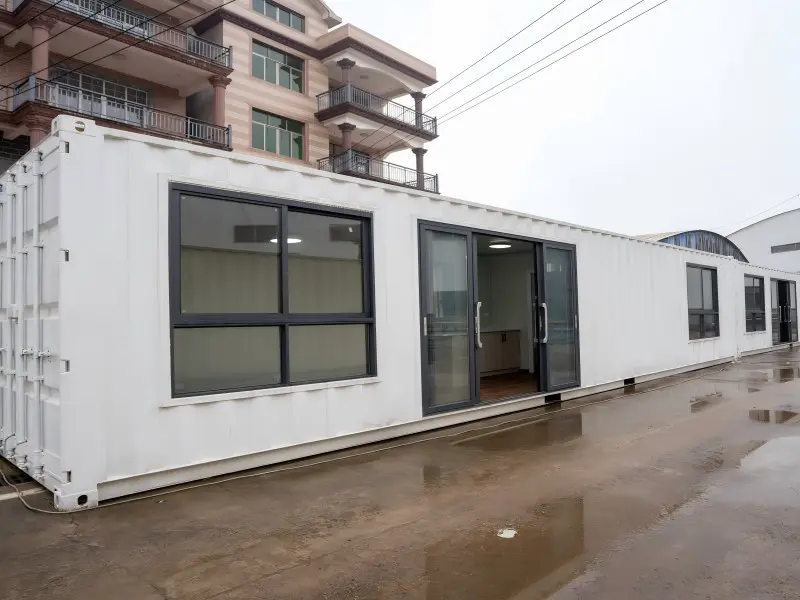
High-end modified shipping container home configuration exported to Australia, fully compliant with structural wind ratings and local building codes.
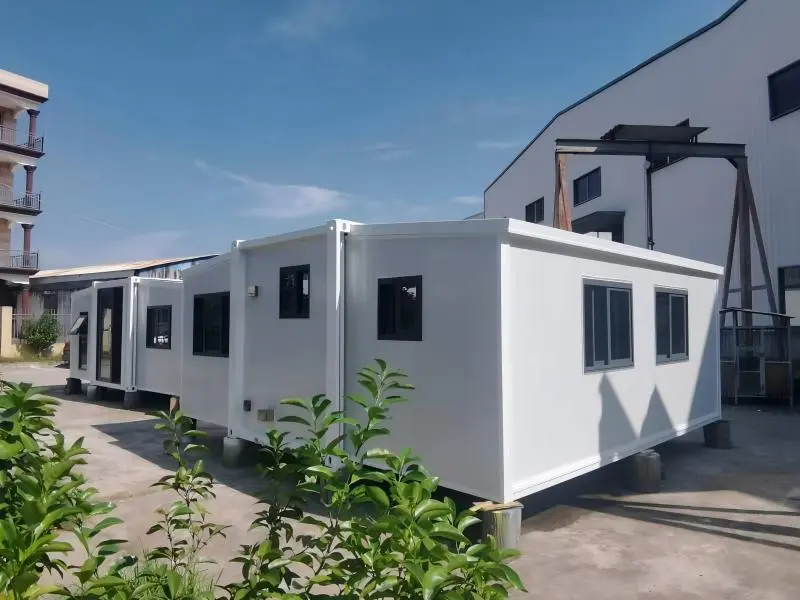
A relocatable home that unfolds to an expansive 37m². Delivered fully finished internally, featuring integrated plumbing and electrical runs.
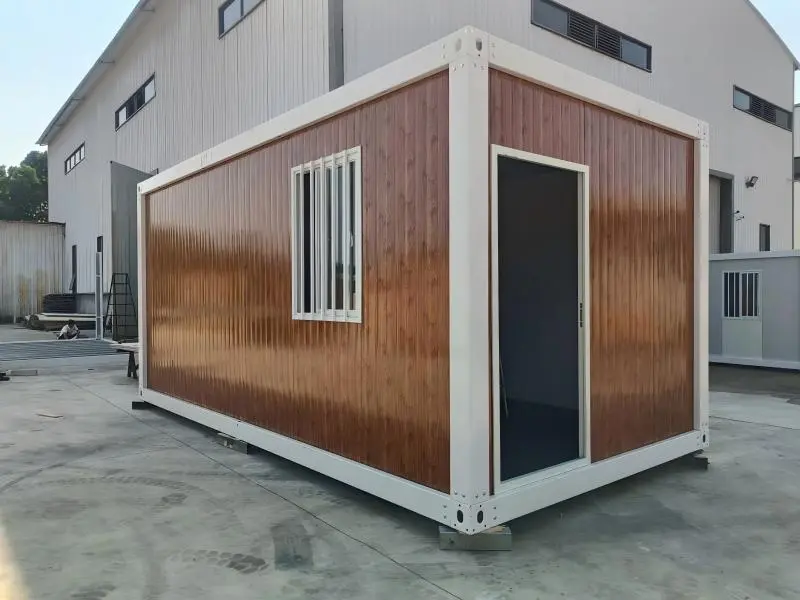
The perfect solution for your short-term office and residential needs. High-durability temporary container housing engineered for mining worksites.
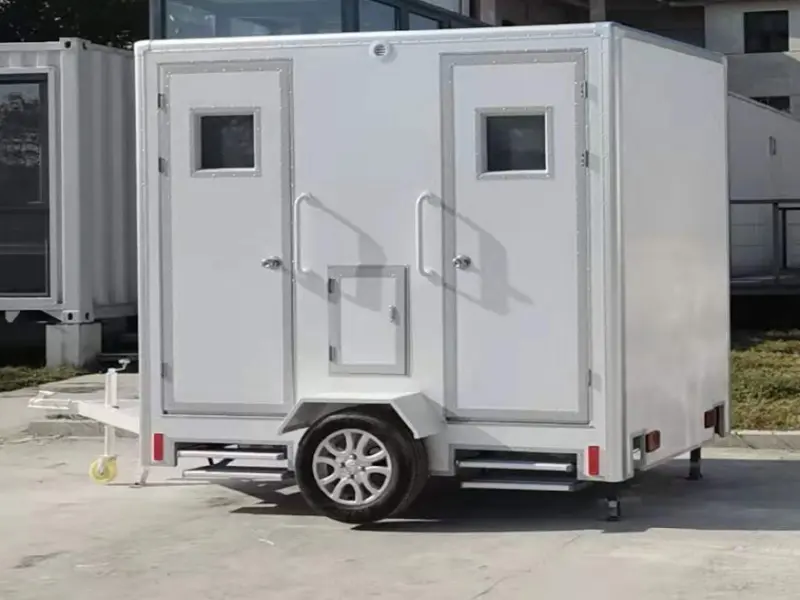
Whether you're embarking on an off-road trip or managing a remote work zone, this transportable unit is designed for maximum sanitation efficiency.
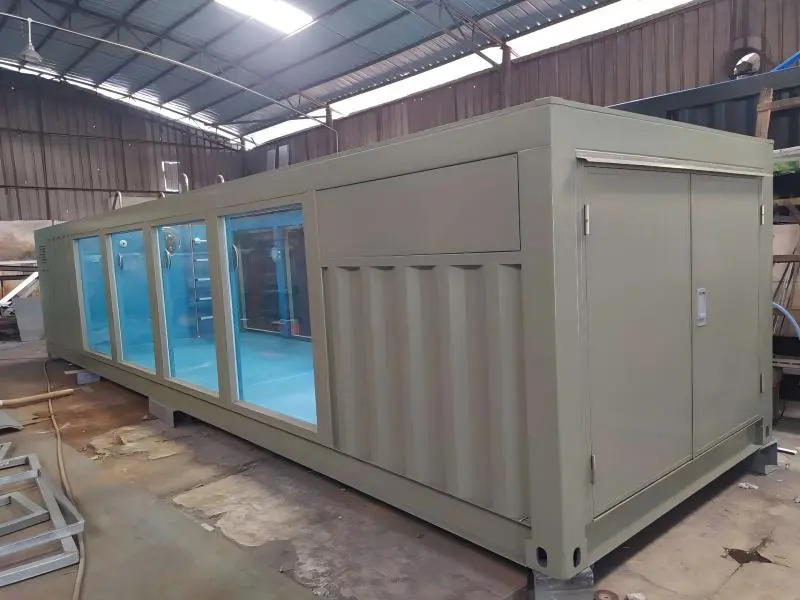
Turn your site into a luxury resort. Engineered modular fiberglass pool shells integrated directly into structurally modified shipping container structural frames.
Industrial design formats tailored to specific application contexts, offering fast installation and long-term utility.
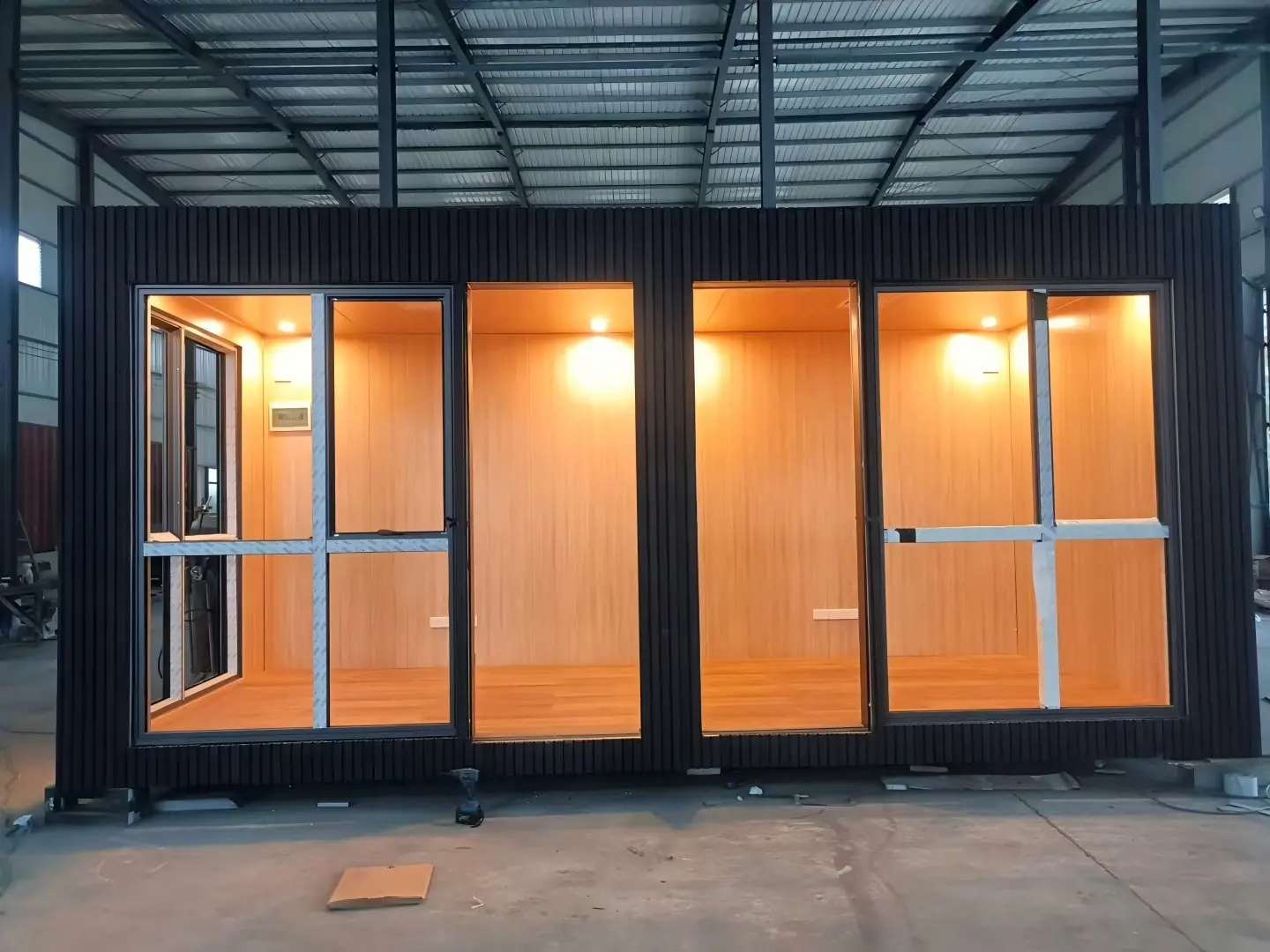
Established in 2010, Jiangxi Huake Prefab Building Co., Ltd. is located in Yanshan Town, Shangrao City, Jiangxi Province, China. Our facilities feature two modern workshops covering a total area of 12,000 square meters. Over a decade of engineering research and field testing has established us as a leader in modular design and industrial prefab construction.
We modify containers and engineer custom structures for conversion into luxury eco-resorts, mobile remote offices, commercial retail shops, and severe-duty worker accommodations. We export our structures to Europe, the United States, Australia, Southeast Asia, and South Africa.
"Hua Ke container house is the builder for your dream home."
Follow our technical breakdowns of construction sciences and modular agriculture integrations.
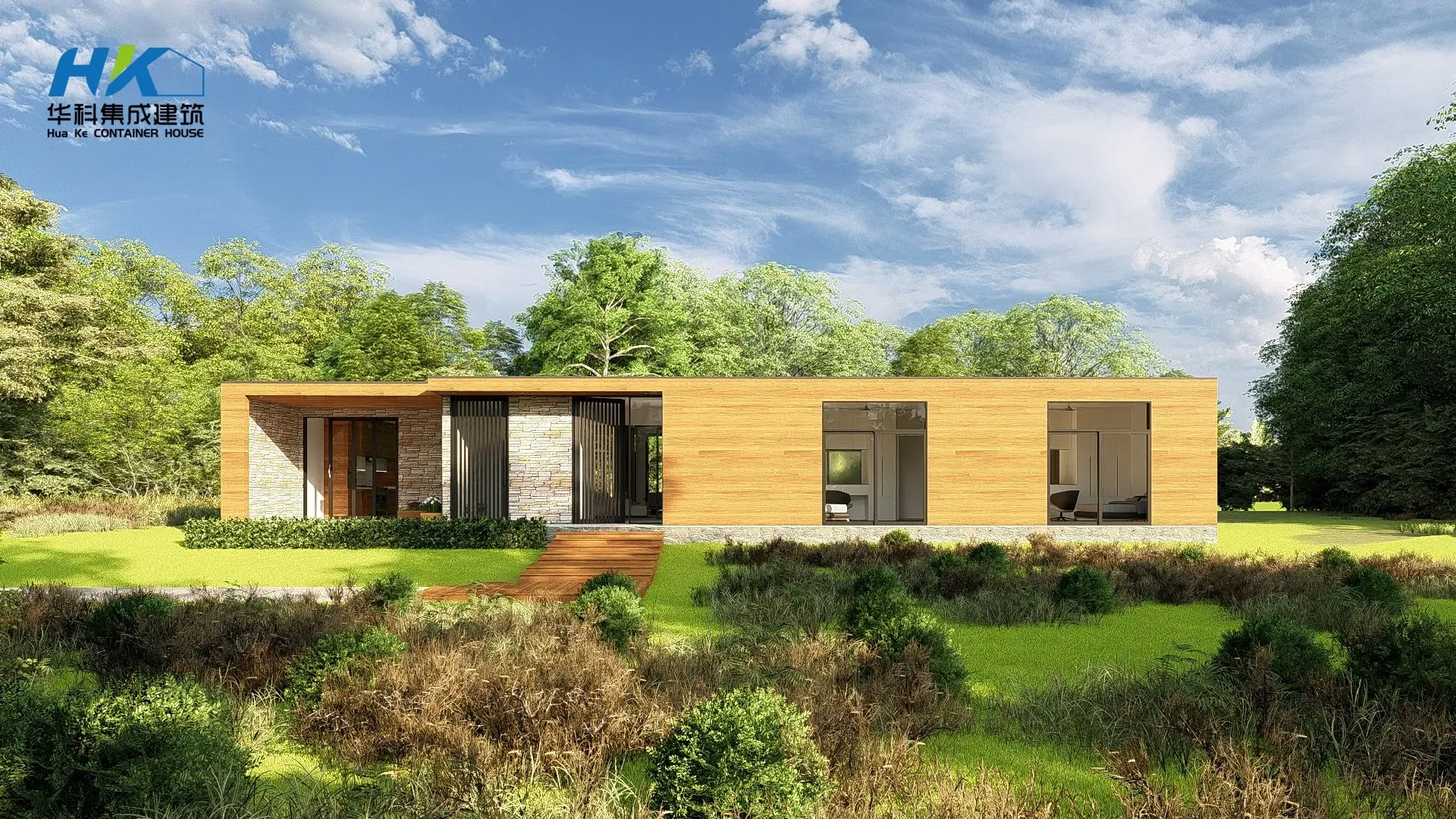
Cladding acts as a primary weather protection barrier. It shields the underlying structure from driving rain, snow loads, ambient moisture, and solar UV radiation. Additionally, integrating high-density cladding creates a ventilated rainscreen cavity that facilitates continuous drainage and convective drying. This prevents interstitial condensation, which is a major factor in structural rust and mold formation.
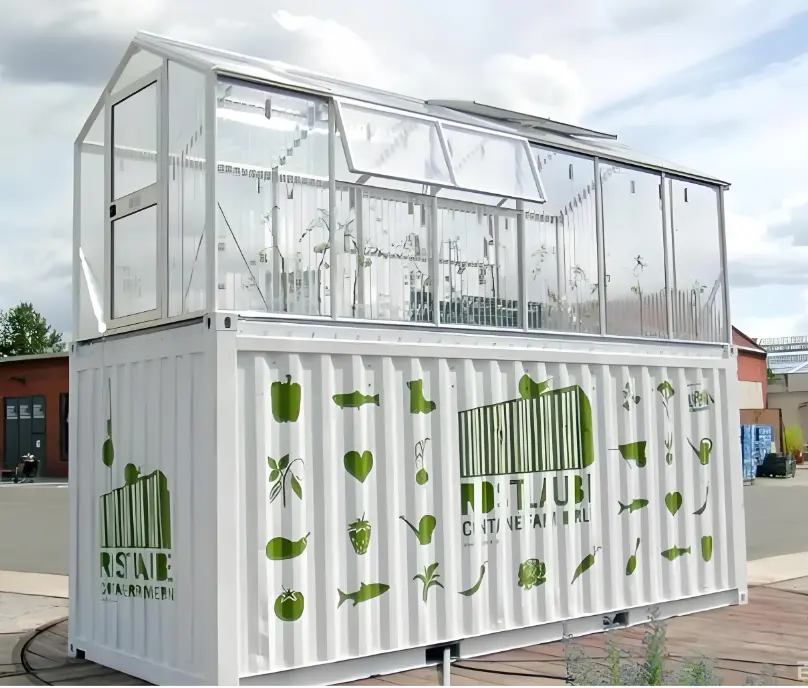
Container farming uses repurposed, insulated shipping structures as self-contained, climate-controlled cleanrooms for agricultural cultivation. By integrating high-intensity LED grow spectrum networks, automated nutrient dosing loops, and custom HVAC dehumidification setups, vertical farms produce high yields regardless of outdoor environmental stress.
Analyzing how modular units solve accommodation challenges across commercial, natural, and industrial projects.
In high-resource extraction industries, structural reliability is directly tied to personnel safety. Modular structures, engineered to handle seismic activity and high wind loading, provide blast-resistant designs and toxic gas isolation barriers. Using continuous closed-cell polyurethane spray foam creates positive seal pressure within command centers, preventing external dust, ambient gases, or pollutants from penetrating the interior.
Building traditional hotels in remote regions (such as national parks, coastal cliffs, or desert dunes) presents major environmental challenges. Prefabricated modular luxury cabins and villas offer a low-impact solution. Constructed off-site, these units are easily shipped and placed on minimal foundation footings. Integrating smart off-grid solar kits guarantees zero carbon footprints during operations, satisfying strict environmental regulations without sacrificing luxury features like panoramic floor-to-ceiling double glazing, smart automation controls, and integrated water treatment units.
As urbanization intensifies and extreme weather events challenge traditional outdoor farming, shipping containers modified with advanced vertical hydroponic systems provide localized food security. These farms run on closed-loop irrigation systems, reducing water use by up to 95% compared to open-field farming. The structural shell protects crops from pests and chemical contamination, eliminating the need for pesticides while delivering nutrient-dense, locally grown food straight to urban centers.
Get answers to common technical, design, and structural questions about off-road pop-top campers and prefabricated buildings.
Browse our selection of specialized modular structures, ranging from temporary remote housing to custom off-grid residential homes.
Self-sufficient, high-efficiency solar-powered container houses engineered with structural spray foam insulation.
Turnkey, three-module container layouts designed with high-end interior finishes and integrated climate control.
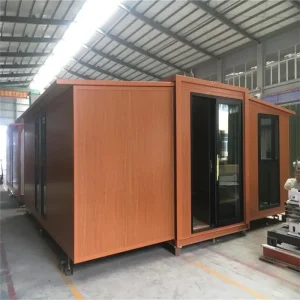
Highly flexible, expandable container units that open up to triple their shipping footprint in under two hours.
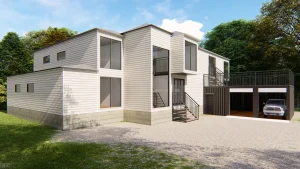
Contemporary smart-home villas integrated with IoT controls, automated energy management, and premium finishes.
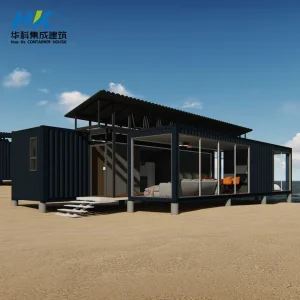
Custom-modified dual-container residences that maximize usable space through open-plan design concepts.
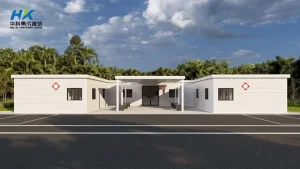
Heavy-duty, luxury modular office buildings engineered with premium light gauge steel frames.
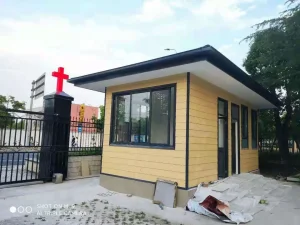
Cost-effective structural configurations utilizing OSB cladding panels over galvanized light gauge steel frames.
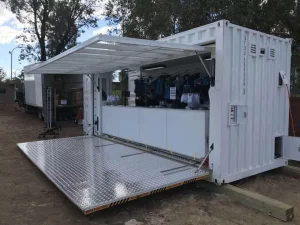
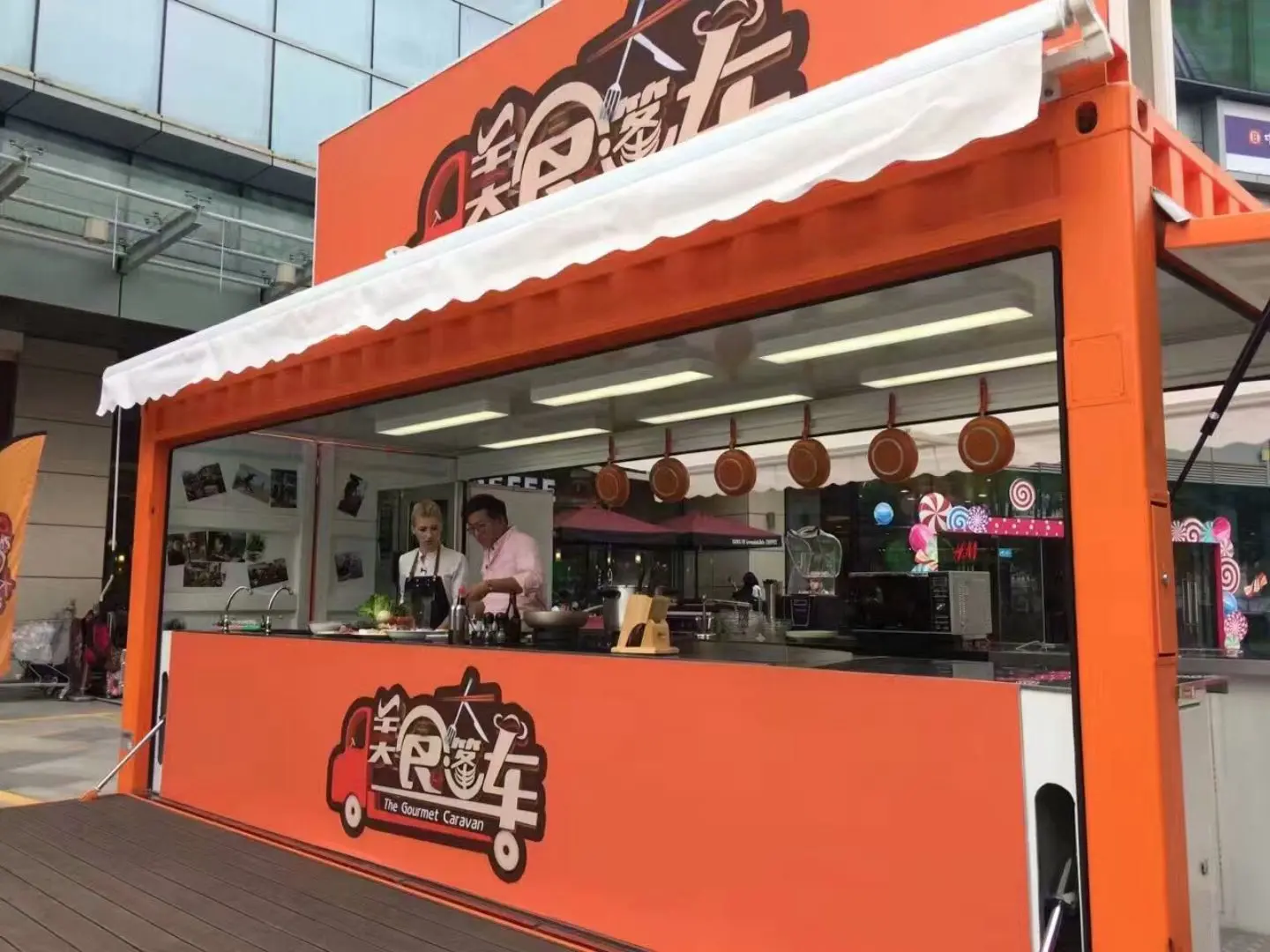
Highly adaptable commercial spaces designed as ready-to-use, relocatable shipping container cafes and shops.
 HUA KE HOUSE