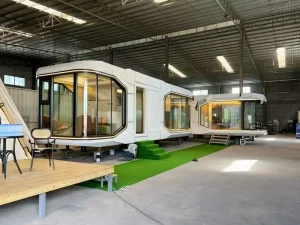
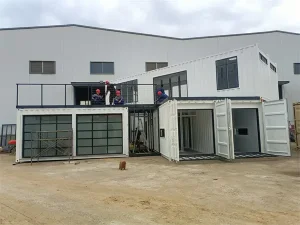
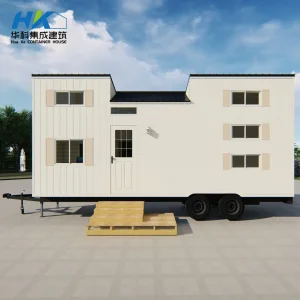
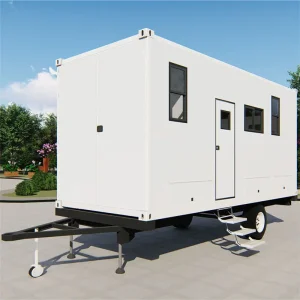
In B2B overland manufacturing, buying an off-road camper trailer or modular caravan requires more than just finding a reliable trailer. Commercial buyers—ranging from specialized rental fleets and remote eco-resorts to mining operations and municipal emergency units—need to evaluate engineering standards, material longevity, chassis physics, and international compliance. The demand for rugged, off-grid mobile structures has moved beyond simple luxury camping. It is now a critical part of tactical real estate development and high-mobility operational equipment.
A reliable off-road camper trailer is built on three core pillars: chassis structural integrity, independent multi-link suspension kinematics, and comprehensive environmental self-sufficiency. This technical blueprint breaks down key engineering details, materials, manufacturing techniques, and supply chain efficiencies that global distributors and commercial buyers look for during procurement cycles.
 Shipping Container House
 Flat Pack Container House
 Trailer House
 Light Steel Villa
 Equipment Shelter
 Building Material
Standard leaf-spring configurations often fail under severe off-road vibration. Our specialized manufacturing lines focus on independent trailing arm suspension systems equipped with dual-rate heavy-duty coil springs and twin gas-charged shock absorbers. This allows each wheel to move independently, reducing force transmission to the chassis and ensuring structural integrity over washboards, rock gardens, and washouts.
To prevent water damage and thermal leaks in standard camper structures, modern designs use fiberglass composite sandwich panels. These panels are bonded under high pressure with a core of high-density closed-cell polyurethane foam. This method offers excellent R-values (R16+), high impact resistance against trail debris, and a 100% leak-proof exterior structure.
Modern off-road operations require reliable electrical power. Integrated energy systems feature high-capacity lithium iron phosphate (LiFePO4) battery arrays, heavy-duty solar panels, and smart MPPT solar controllers. Auxiliary recharging via vehicle alternators (DC-DC charging) keeps systems running continuously, powering HVAC units, clean water systems, and digital communication arrays indefinitely.
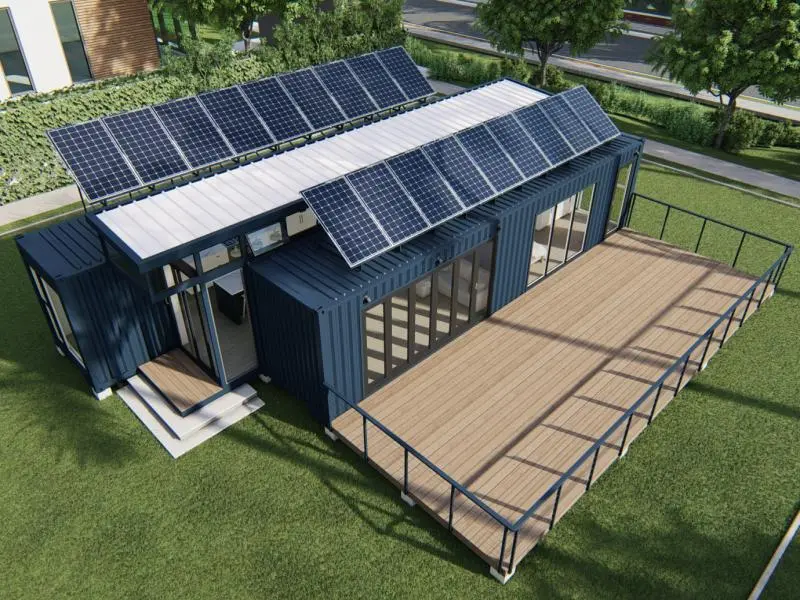
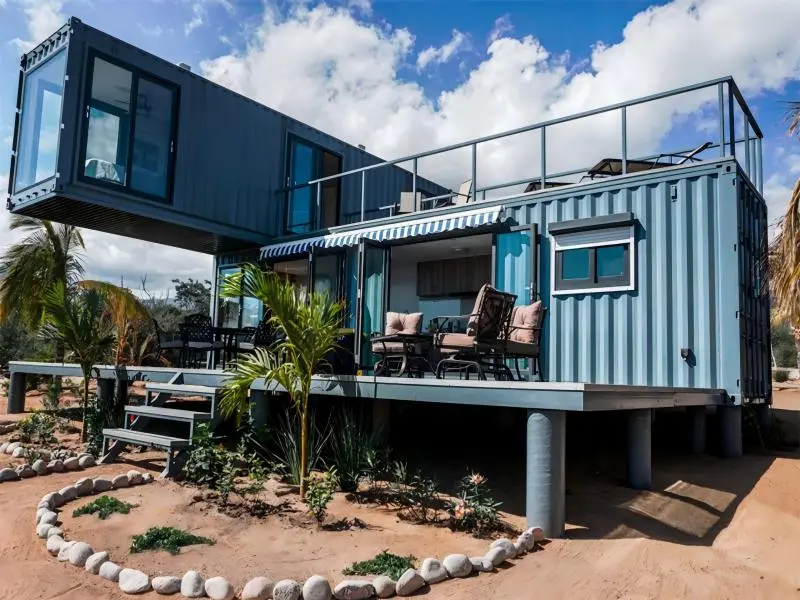
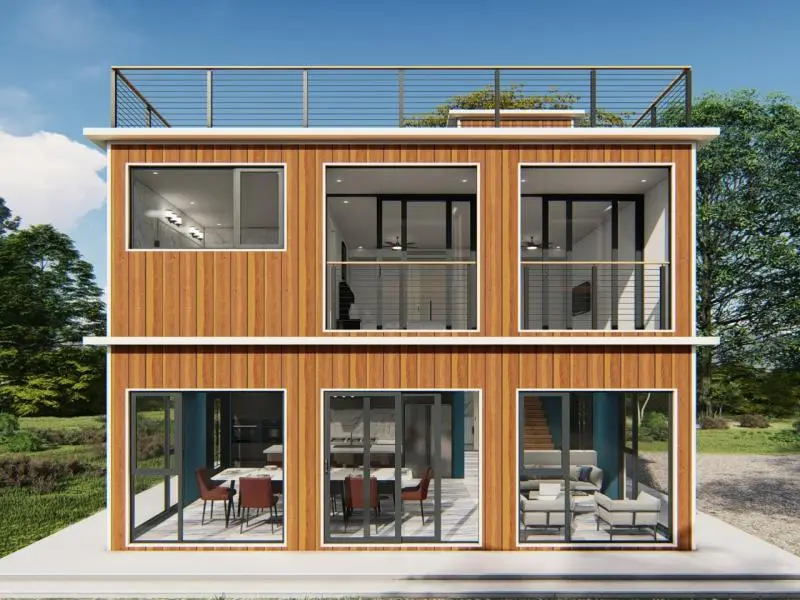
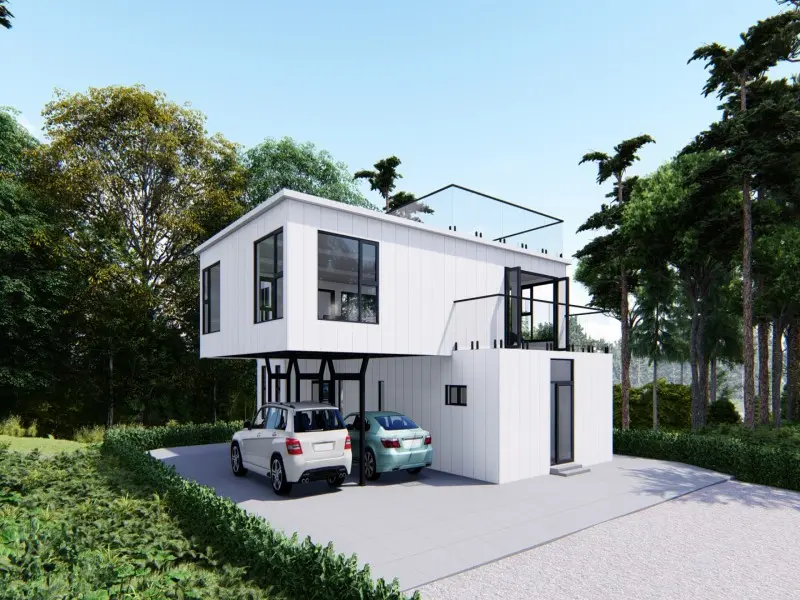
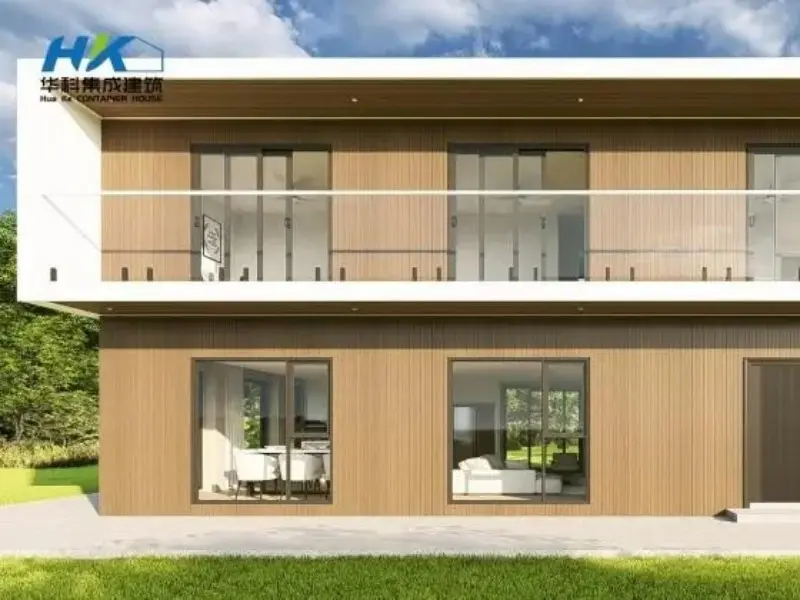
Established in 2010, Jiangxi Huake Prefab Building Co., Ltd. is located in Yanshan Town, Shangrao City, Jiangxi Province, China. Operating from two modern workshops covering 12,000 square meters, we have grown into a leading manufacturer of prefabricated housing systems and custom trailers.
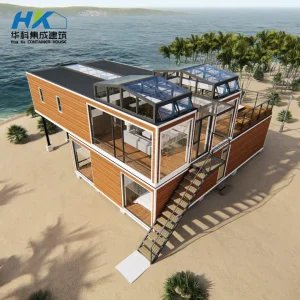
We customize and convert containers into hotels, coffee shops, homes, offices, accommodations, equipment shelters, and tool rooms. Most of our production is exported to international markets, including Europe, the USA, Australia, Southeast Asia, and South Africa.
Our core mission is to design comfortable, high-quality, and reliable mobile structures. Jiangxi Huake is here to help build your next-generation modular spaces.
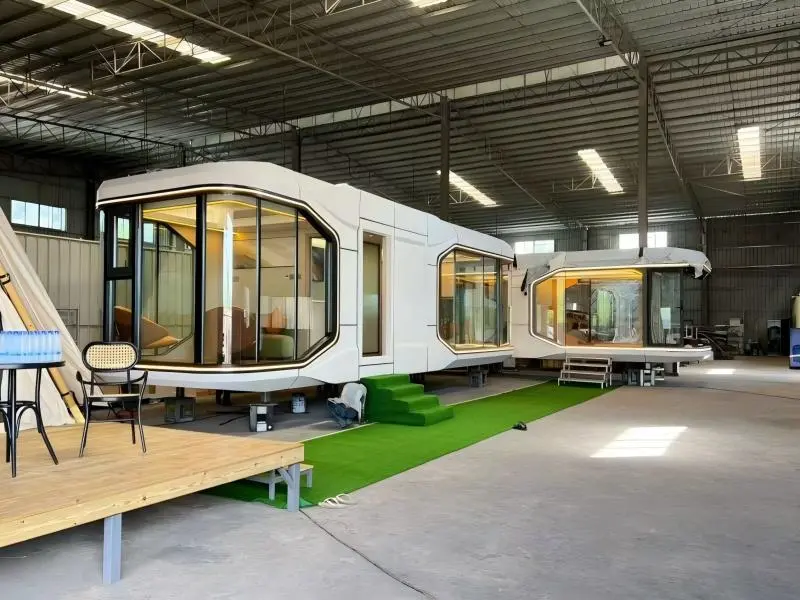
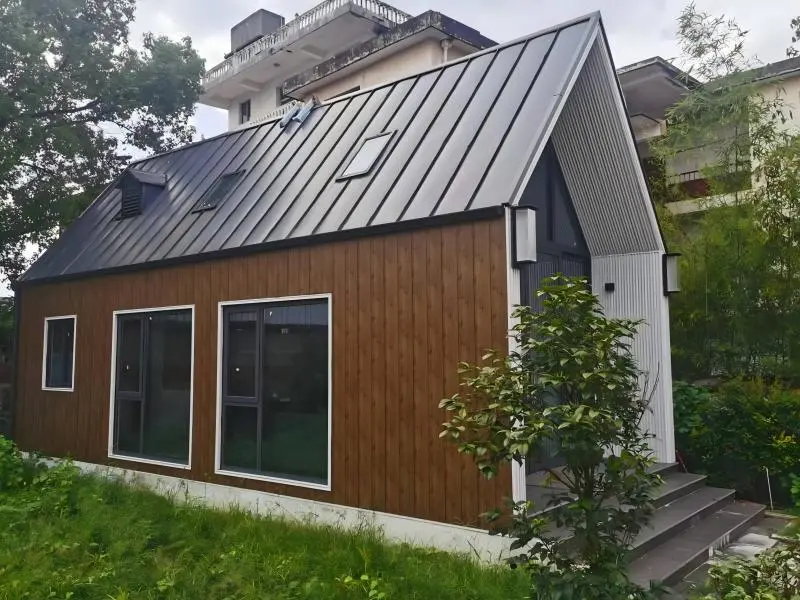
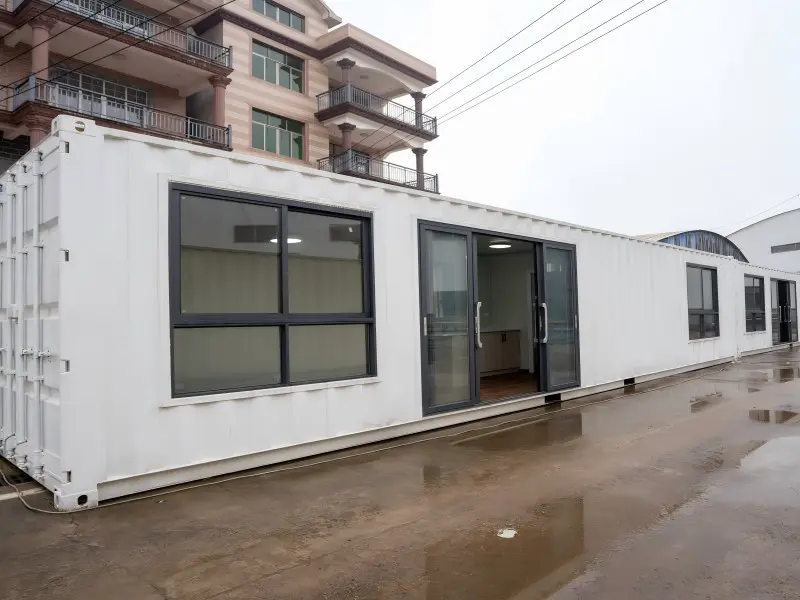
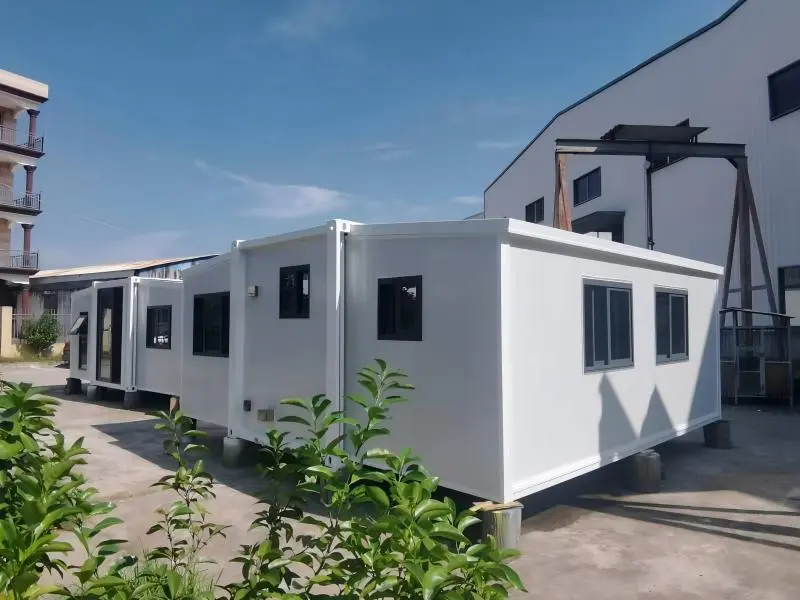
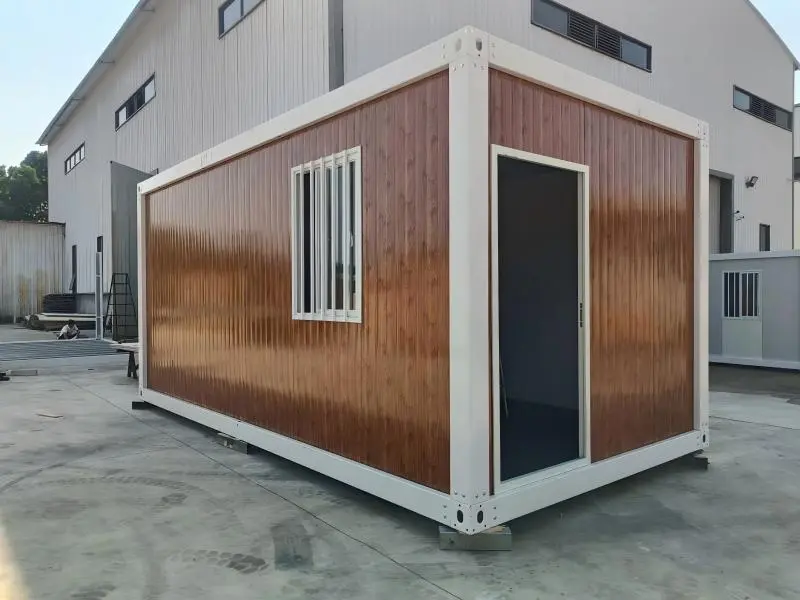
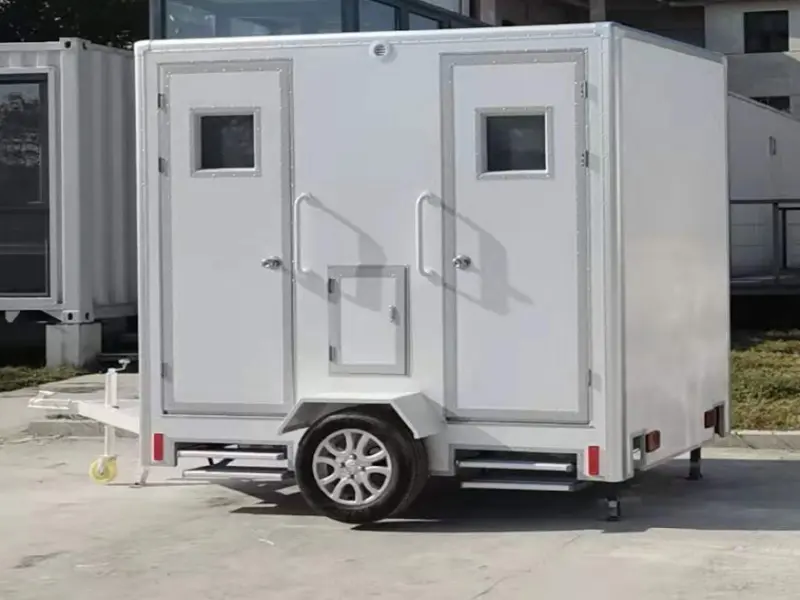
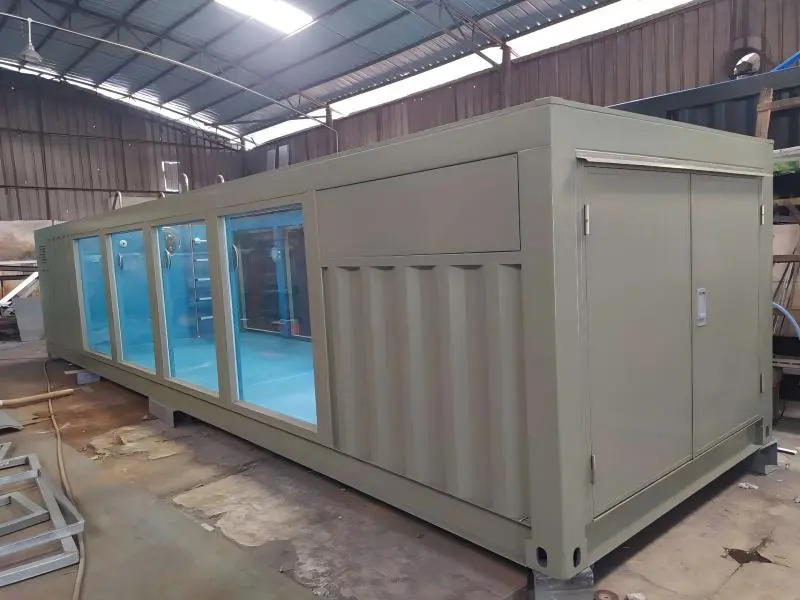
Operating off-road camper trailers globally requires meeting strict region-specific regulations. A trailer that works well in the North American market might not be road-legal in Australia or the European Union without specific design adjustments. By partnering with a versatile manufacturer like Jiangxi Huake, distributors can customize configurations to ensure full compliance with target market standards:
China's advanced manufacturing infrastructure provides a strong foundation for off-road trailer production. Industrial hubs like Jiangxi integrate the raw steel sourcing, precision laser cutting, robotic welding, and galvanization processes needed to maintain high manufacturing standards. Working directly with Chinese factories offers key operational advantages:
Adding cladding panels provides weather protection against rain, snow, wind, and UV rays. It protects the underlying steel frame from moisture damage, rust, and thermal bridging, which helps lower heating and cooling costs while extending the life of the structure.
Hydroponic container farming converts decommissioned shipping containers into self-contained, climate-controlled growing environments. These systems optimize vertical space, reduce water usage, and allow year-round crop production in urban areas.
 HUA KE HOUSE