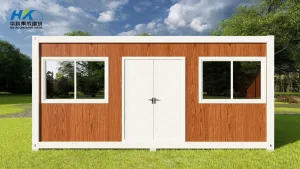
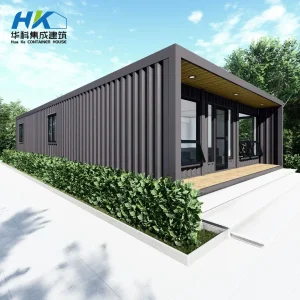
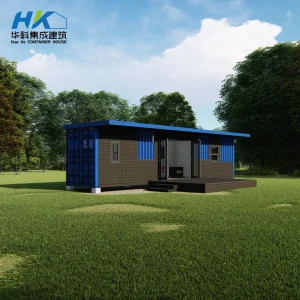
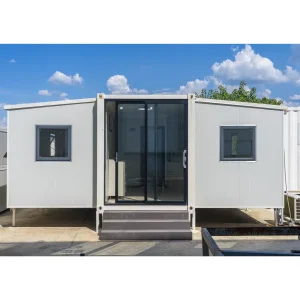
The global modular construction industry is witnessing a significant paradigm shift, transitioning from basic transient structures to highly engineered, durable movable restrooms. Historically classified as simple chemical cubicles, modern mobile sanitation systems have evolved into sophisticated architectural installations. As a leading wholesale movable restroom supplier, we recognize that current enterprise demands are heavily shaped by structural longevity, sanitary automation, and carbon footprint reduction targets.
Governments, municipal planners, and multinational corporations are phasing out sub-standard temporary sanitation units in favor of heavy-duty, climate-controlled modular blocks. This trend is driven by strict labor welfare regulations, municipal sanitation mandates, and the rising prominence of green building credentials (such as LEED and BREEAM). Current procurement patterns reflect that decision-makers are actively looking for modular restroom solutions that exhibit high thermal efficiency, wastewater minimization, and extreme corrosion resistance in tough marine or arid environments.
Technological convergence is another core driver. The adoption of IoT smart sensors, vacuum flush mechanics, and solar-assisted lithium battery storage arrays has transformed standard container structures into autonomous smart utilities. These systems reduce operating overhead by optimizing waste pump-out schedules, reducing water consumption up to 85%, and delivering real-time telemetry on consumable levels. This level of technical sophistication ensures that enterprises can deploy units in remote geological exploration zones and high-end public avenues with equal ease.
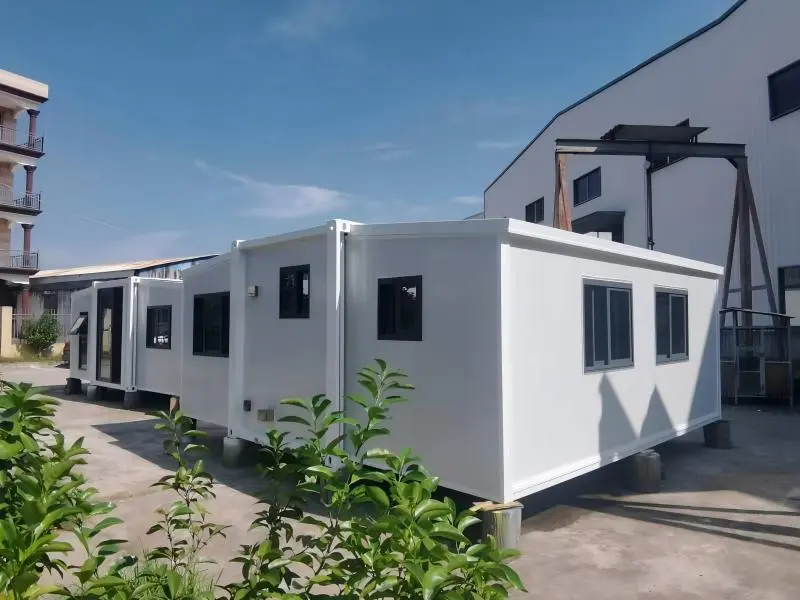
Furthermore, the modular nature of modified container frames allows for streamlined logistics. As units can be handled using standardized ISO container dimensions, shipping, rigging, and deployment costs are reduced. A robust structural steel framework coupled with spray-foam thermal insulation ensures that the movable restrooms can withstand high-frequency relocations without structural degradation, proving to be a highly lucrative capital asset for equipment rental companies and industrial contractors.






Enterprise procurement in the industrial, mining, and large-scale event hospitality sectors operates under strict quality standards. When vetting a wholesale movable restroom supplier, procurement officers evaluate products based on total cost of ownership (TCO), material grades, and logistical versatility rather than just initial purchase cost. Typical requirements call for units with high resistance to harsh conditions, zero structure deformation during transport, and compliance with strict fire and sanitation standards.
A key consideration for global procurement teams is the modularity of the piping and plumbing networks. Systems must be configured to accommodate different regional regulations, ranging from dual flush ratings, waste outlet sizes, to municipal electricity input voltages. High-capacity mining camps, for example, require robust plumbing networks made of heavy-duty PEX or copper piping, capable of handling extreme freeze-thaw cycles without breaking.
To satisfy enterprise risk management criteria, structural framing must be certified to meet international standards. We supply steel frames made from Q235B or Q345B grade hot-dip galvanized steel, treated with anti-corrosion zinc coatings. This treatment ensures the structure can handle extreme wind loads up to 120 km/h and high seismic activities. The interior surfaces are finished with non-porous, antibacterial, and impact-resistant panels that allow for quick power washing, helping to keep operations highly clean and efficient.
Additionally, suppliers must provide clear documentation detailing thermal performance. The integration of high-density PU spray foam or mineral rock wool insulation ensures low HVAC energy use. B2B buyers looking for sustainable options often choose designs that feature solar panels, graywater recycling loops, and rainwater harvesting, helping them align with environmental, social, and governance (ESG) goals.
We provide fully traceable galvanized steel structures, offering mill certificates and weld test reports to verify material durability and compliance.
Optional closed-loop vacuum sanitation systems reduce water usage by up to 90%, extending operating periods between pump-outs.
High-density insulation layers maintain comfortable indoor temperatures in conditions ranging from -40°C to +50°C, reducing heating and cooling costs.
Setting up sanitation infrastructure at a macro level—such as in national parks, large mining operations, or cross-border transport corridors—poses unique engineering challenges. The lack of standard electrical grids and municipal water lines requires systems that are fully self-sufficient. As a specialized wholesale movable restroom supplier, our engineering team designs off-grid sanitation complexes that integrate power generation, water recycling, and safe waste treatment.
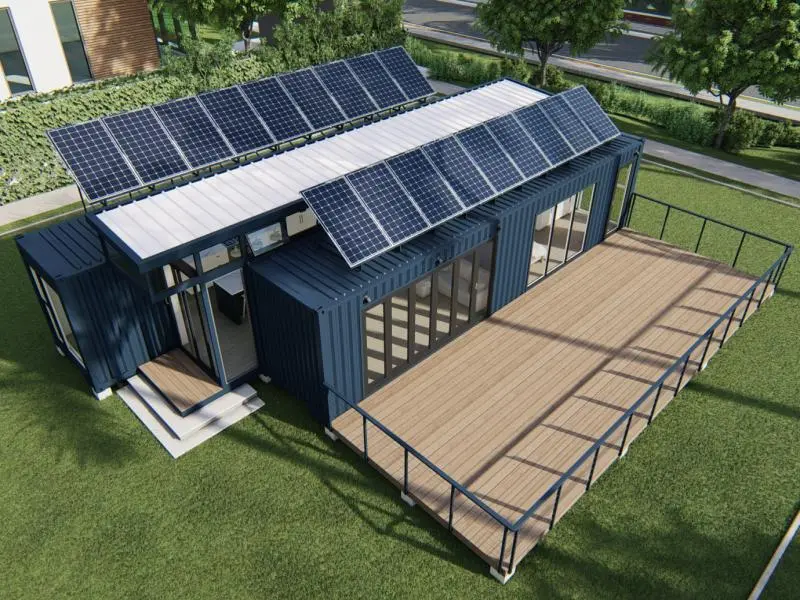
For projects in extremely cold regions, keeping the plumbing from freezing is critical. We address this by using integrated thermodynamic trace heating loops, combined with thick layers of polyurethane insulation. Power is generated through roof-mounted monocrystalline solar panels connected to durable lithium iron phosphate (LiFePO4) battery systems, ensuring reliable 24/7 operation even in low-light environments.
Wastewater treatment is handled through integrated biological filtration units built directly inside the container frame. Blackwater is treated using advanced micro-aerobic digestion systems, converting waste into clean, odor-free discharge that meets strict environmental standards. Greywater from handwashing basins is directed through a multi-stage filtration system—consisting of activated carbon, ultrafiltration, and UV sterilization—and then reused for flushing toilets, reducing the need for external water refills.
To make deployment on-site as easy as possible, our modular designs feature a "plug-and-play" installation system. Standard quick-connect coupling flanges allow technicians to connect external water storage tanks, backup power generators, or waste disposal points without needing complex on-site welding or specialized engineering.
Shipping modular sanitation units across international borders requires strict compliance with regional building and safety regulations. As a certified global wholesale movable restroom supplier, our manufacturing processes are designed to align with strict compliance guidelines. Our facilities follow international standards including ISO 9001:2015 for quality management and ISO 14001:2015 for environmental protection.
For the North American market, our structures are engineered to comply with the International Building Code (IBC) and the accessibility guidelines of the Americans with Disabilities Act (ADA). This includes installing compliant access ramps, wide doorways, grab bars, and low-profile fixtures. In the Oceania region, our products are built to meet the structural and plumbing standards of AS/NZS 1170 (Structural Design Actions) and AS/NZS 3500 (Plumbing and Drainage), ensuring seamless integration with local public infrastructure.
European shipments carry the CE mark, verifying compliance with EU health, safety, and environmental laws. Our structural frames are welded using EN 1090-certified processes, and all electrical installations use low-smoke zero-halogen (LSZH) cabling housed within flame-retardant conduits.
In addition to mechanical compliance, our materials are selected for fire safety. Exterior cladding and interior partition panels carry class-A or class-B fire rating certifications under EN 13501 or ASTM E84 tests. This verification guarantees that our modular restrooms offer high safety, low liability, and long-term performance for commercial developers, resource extraction groups, and government agencies worldwide.
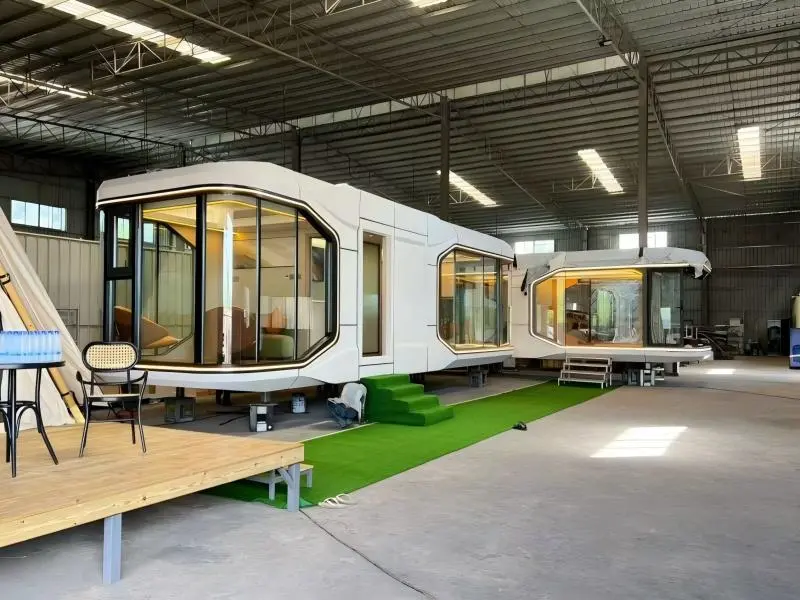
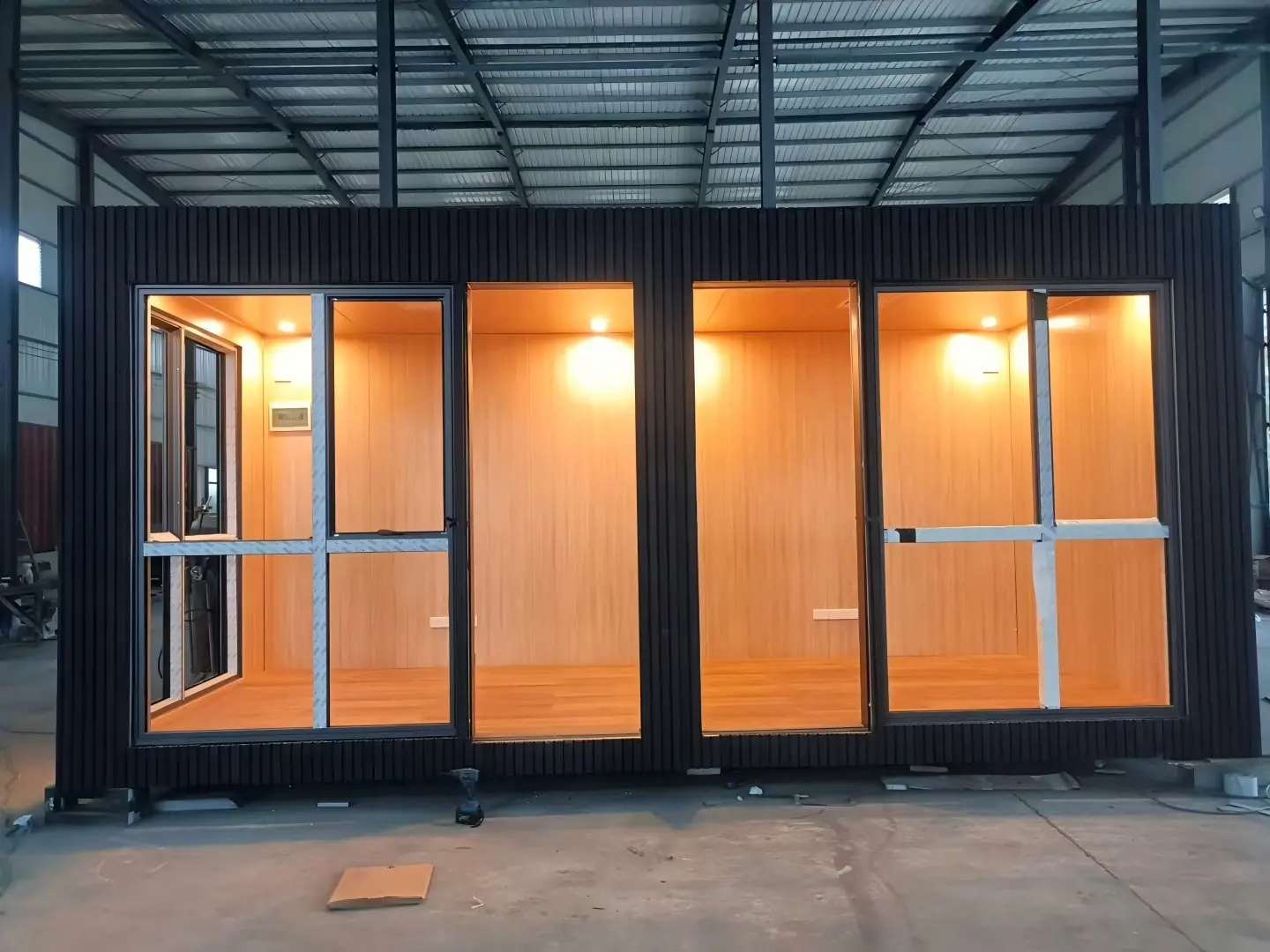
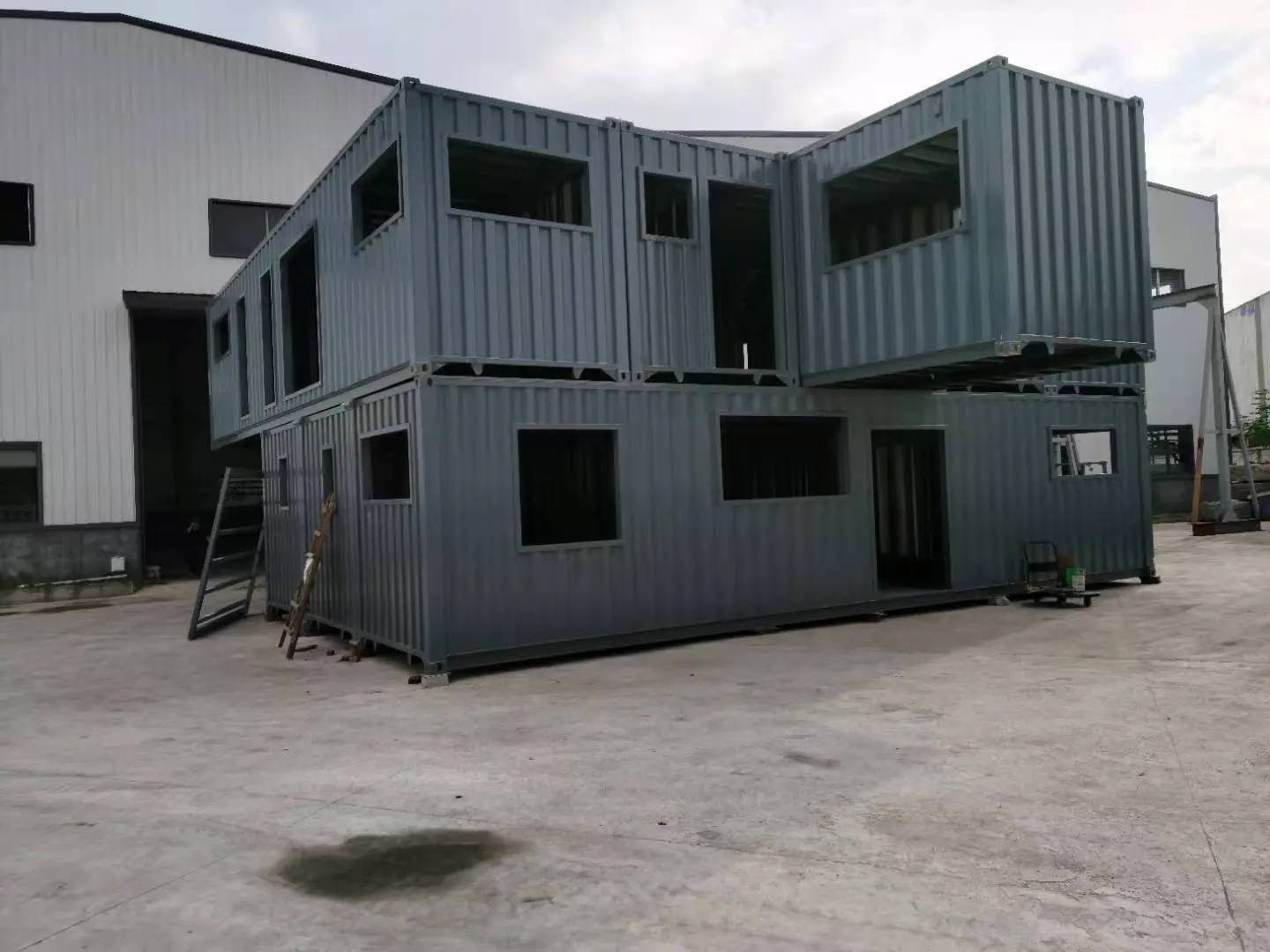
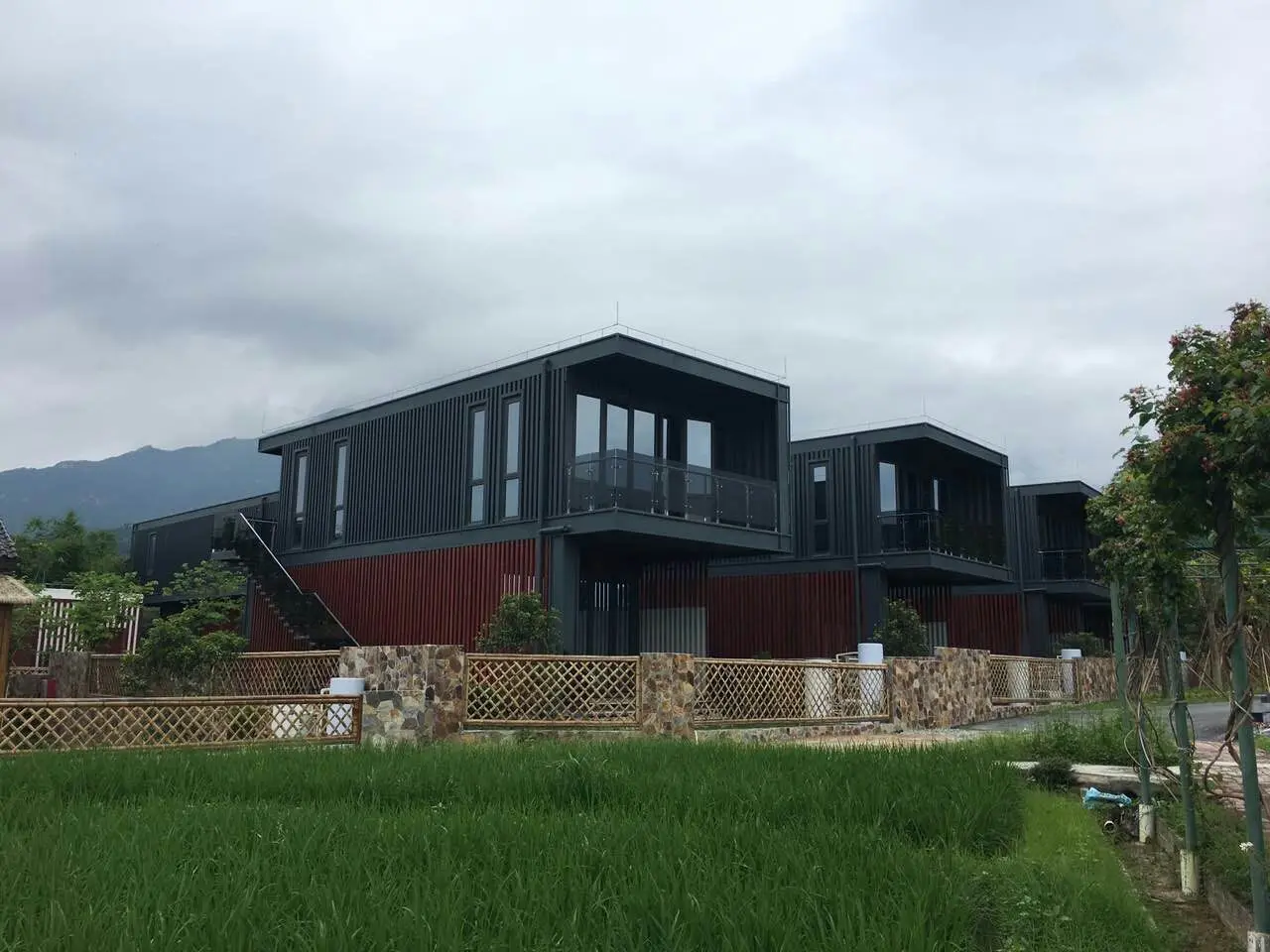
Established in 2010, Jiangxi Huake Prefab Building Co., Ltd. is located in Yanshan, Shangrao City, Jiangxi Province, China. Operating out of two modern workshops covering 12,000 square meters, we have grown into a leading designer and manufacturer of modular prefabricated buildings.
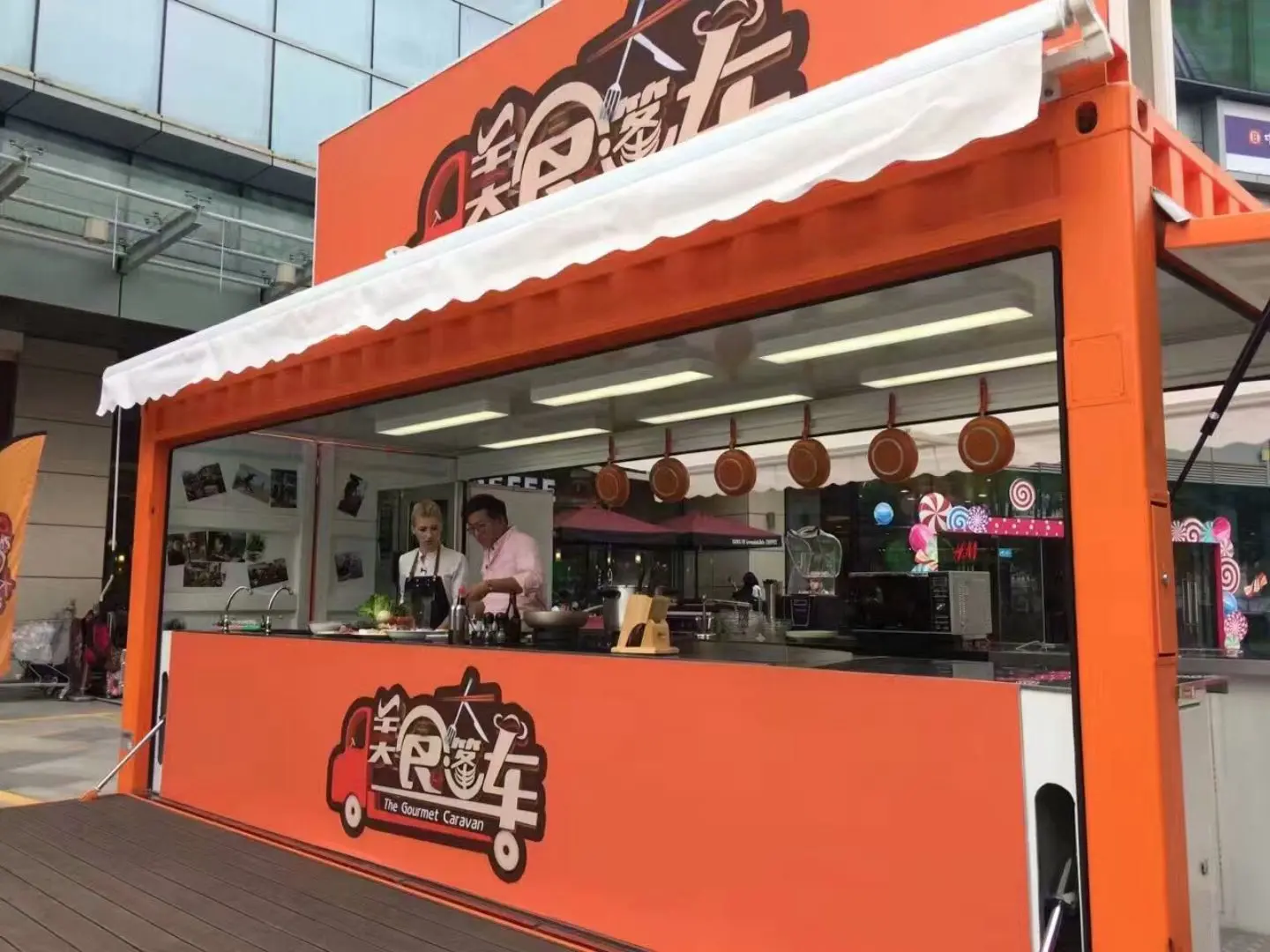
We specialize in customizing and modifying containers for hotels, cafes, residential homes, office buildings, accommodation camps, tool storage facilities, and portable sanitation units. Most of our structures are exported to high-standard markets, including Europe, the USA, Australia, Southeast Asia, and South Africa.
Read Corporate ProfileThe next generation of modular restrooms will rely heavily on automation, real-time connectivity, and advanced material science. Our technology roadmap focuses on moving beyond passive structures to develop responsive, self-maintaining sanitation systems. A key element of this transition is the integration of IoT-based remote diagnostics.
Future models will feature central control units that track water usage, waste storage levels, battery charge status, and room occupancy. Automated air exchange systems, activated by carbon dioxide and volatile organic compound (VOC) sensors, will adjust ventilation rates to keep indoor air clean while conserving energy. Smart dispensers will send automated restocking alerts to local facilities teams, improving maintenance efficiency.
In terms of construction materials, we are testing lightweight carbon-fiber composite structures. These materials offer the strength of structural steel at a fraction of the weight, reducing transport emissions and shipping costs. Inside, we are introducing photocatalytic coatings that use ambient light to break down bacteria and odors, keeping surfaces clean with minimal chemical scrub-downs.
Water conservation technology is also advancing with the introduction of aerospace-grade vacuum flushing. Using high-velocity airflow to flush toilets, these systems require only 0.5 to 0.8 liters of water per flush, compared to the 4 to 6 liters used by traditional gravity-fed toilets. This leap in efficiency makes movable restrooms a viable choice for areas with limited water access, supporting sustainable development globally.

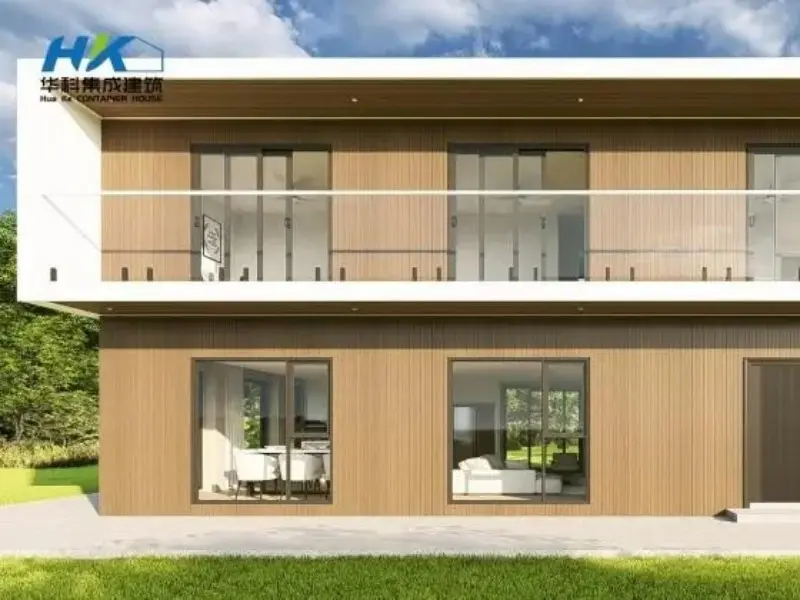
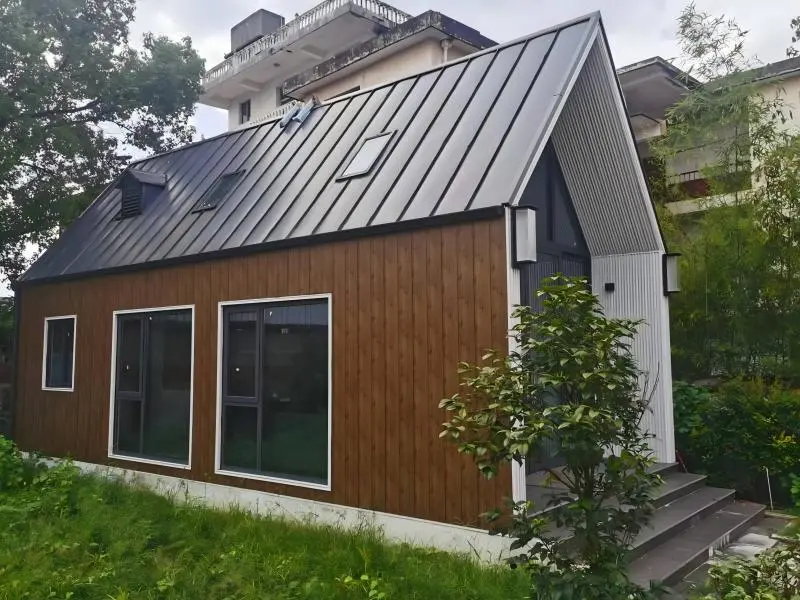
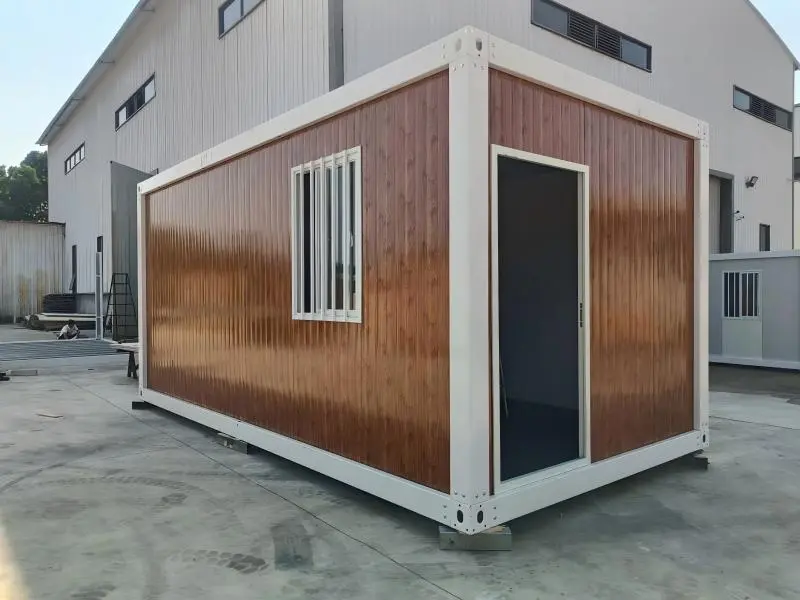
Cladding acts as a primary barrier against rain, snow, wind, and UV rays, protecting the steel structure from rust and significantly improving thermal efficiency.
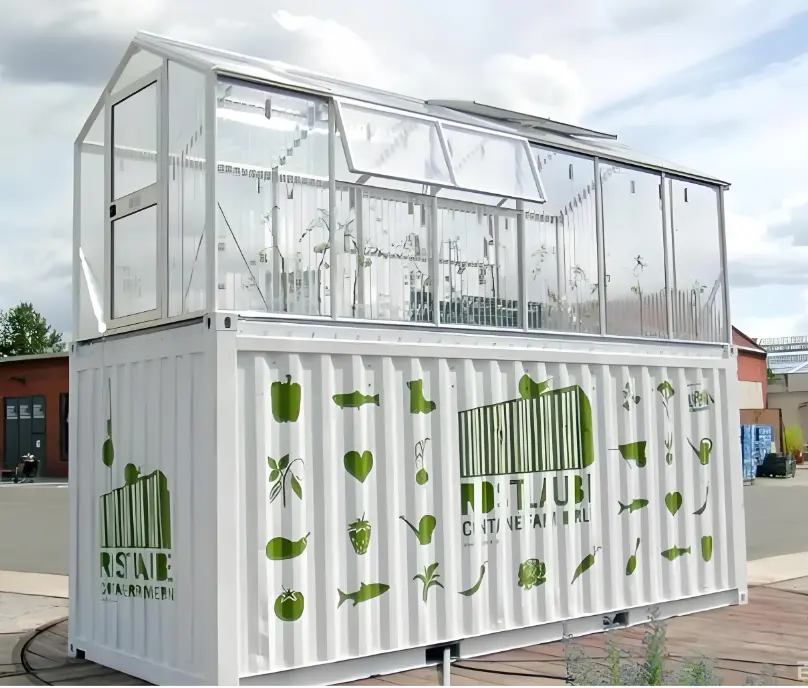
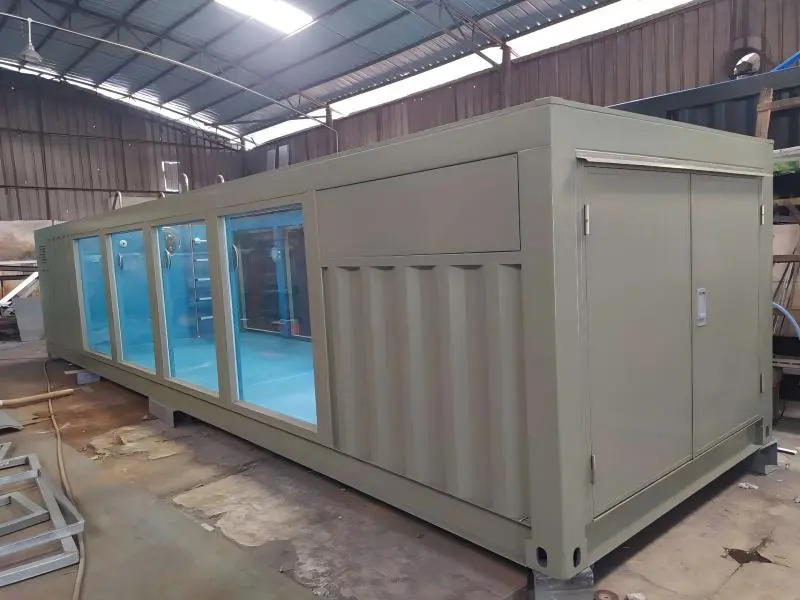
Repurposed insulated shipping containers serve as climate-controlled, self-contained growing environments, saving space and water in urban areas.
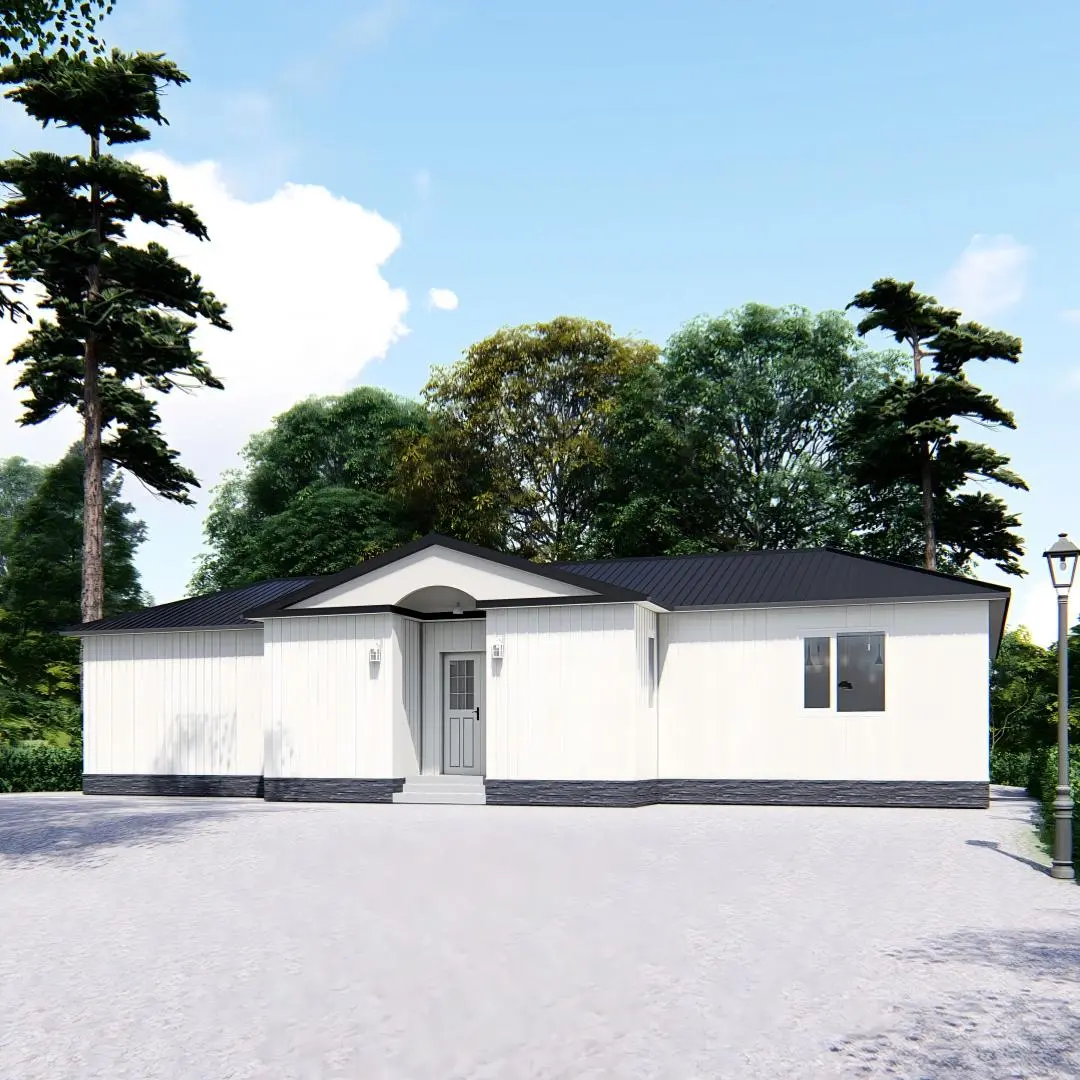
Automated welding systems increase weld penetration and structural strength, ensuring high stability in high-wind and seismic zones.
Pricing is determined by structural steel thickness (typically 3mm to 4mm galvanized frames), wall panel insulation (PU foam vs. rock wool), and the sanitation system used (standard gravity flush vs. off-grid vacuum systems). Custom options like ADA-compliant ramps, HVAC setups, and solar integration will also influence final costs.
We engineer our units using certified galvanized steel frames and flame-retardant interior walls that meet ASTM or EN fire safety ratings. Plumbing, electrical, and accessibility designs are customized during production to align with regional standards like ADA, CE, or AS/NZS codes.
Our off-grid restroom modules can be configured with solar panel roofs, battery banks, clean water holding tanks, and integrated greywater filtration loops. This allows the systems to run independently of local power and water connections for extended periods.
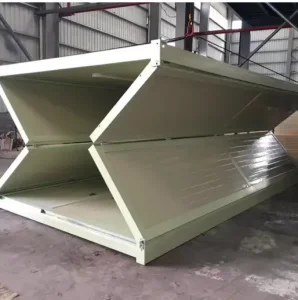
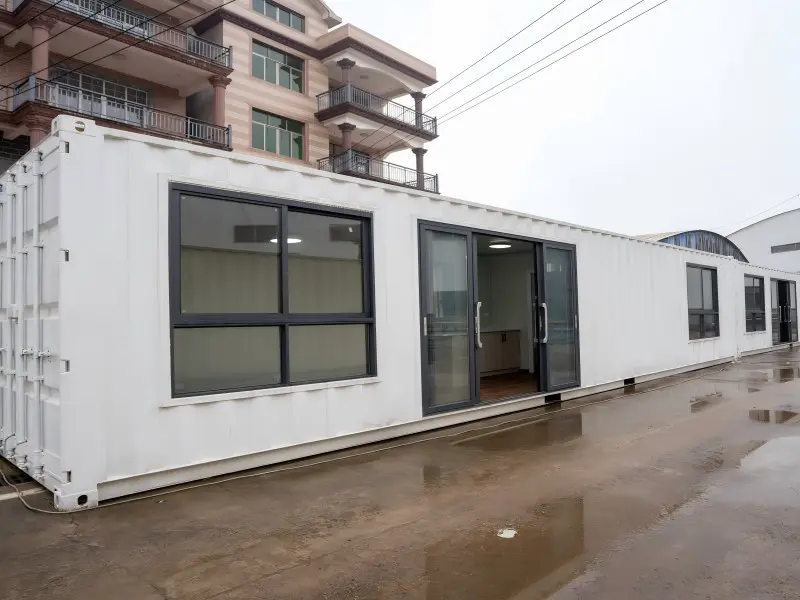
Flat-pack units are shipped in pieces and assembled on-site to reduce shipping volume and freight costs. Modified ISO shipping container restrooms are built inside standard steel containers, arriving pre-assembled and ready for plug-and-play installation.
We use hot-dip galvanized steel frames treated with zinc coatings and marine-grade epoxy paints. This protects the steel from salt spray, moisture, and rust, ensuring structural integrity in harsh coastal or tropical conditions.
We install vacuum flush toilets, which require only 0.5 to 0.8 liters of water per flush, and low-flow aerated faucets. These systems can also be paired with water recycling loops that filter greywater for reuse in flushing.
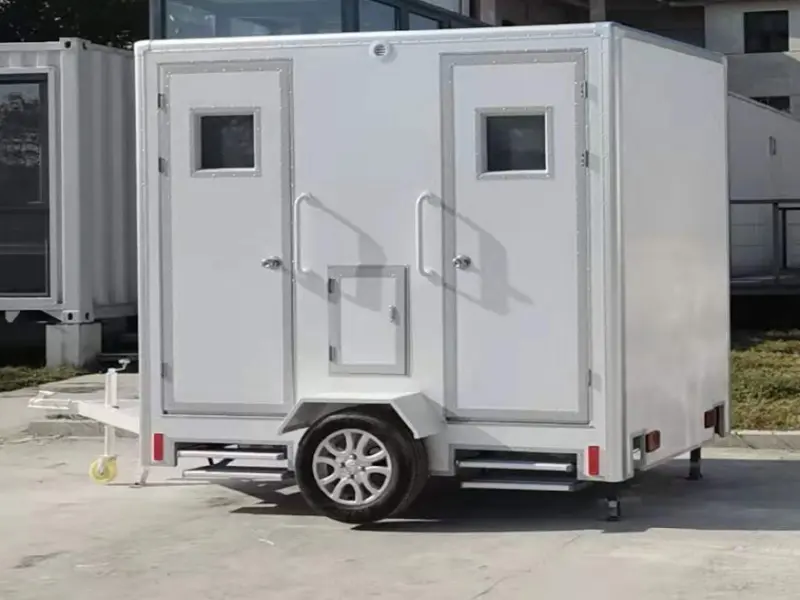
Trailer-mounted units are fitted with standard hitches and braking systems for road transport, while containerized restrooms use standard ISO corner castings. This design allows them to be shipped via standard cargo networks and lifted into position using cranes or forklifts.
Yes. We offer premium customizations including LED lighting, quartz countertops, climate-controlled interiors, integrated sound systems, and high-end exterior panels to meet the aesthetic needs of luxury commercial venues and corporate events.
 HUA KE HOUSE