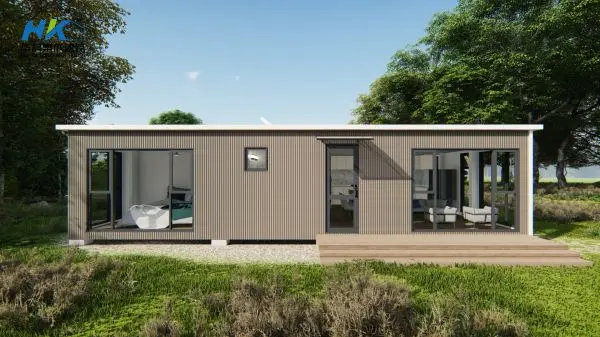
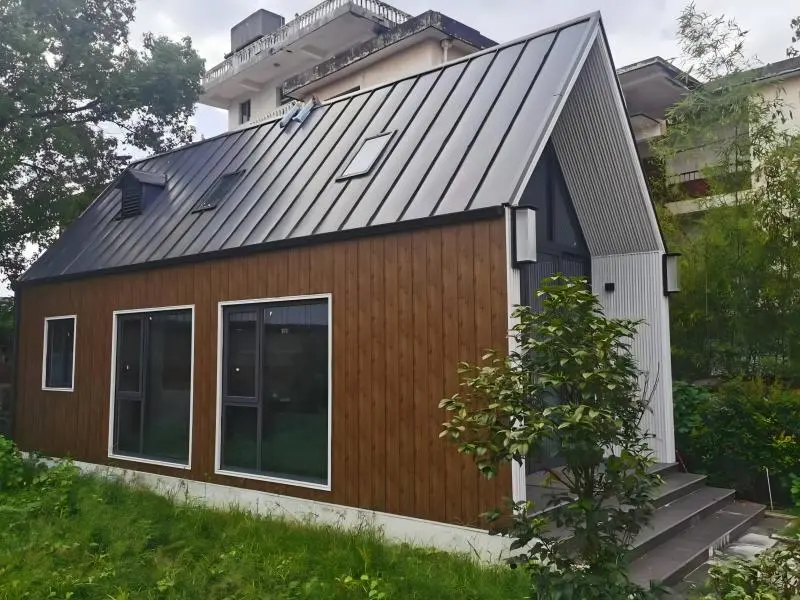
The global construction landscape is undergoing a paradigm shift. As traditional building costs soar and environmental regulations tighten, Low Cost Prefabricated Tiny Homes and Light Steel Structure Homes have moved from niche architectural experiments to mainstream industrial solutions. Today, the modular housing market is valued at billions of dollars, driven by the urgent need for affordable housing, rapid urban expansion, and the rise of the "digital nomad" lifestyle.
In North America and Europe, tiny homes are solving urban infill challenges, while in developing regions, light steel structures provide resilient, quick-to-deploy housing for growing populations. The industrialization of housing means that homes are now manufactured with the precision of the automotive industry, ensuring higher quality control and significantly reduced waste compared to traditional on-site construction.
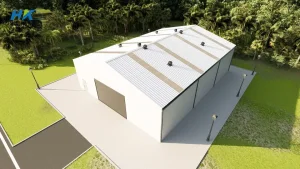
The future of the Prefab Modular House industry is defined by three pillars: Sustainability, Smart Integration, and Portability. We are seeing a massive trend toward "Passive House" standards, where light steel structures are combined with high-performance insulation (like spray foam) and solar energy systems to create net-zero living spaces.
Utilizing AI to optimize structural integrity and material usage, reducing costs while increasing safety against seismic and wind loads.
Shift towards recyclable steel and non-toxic finishes, meeting the global demand for "Green Building" certifications.
Integrating 5G-ready smart systems directly into the modular panels during the factory phase for seamless automation.
B2B buyers—ranging from real estate developers to mining companies and tourism operators—are increasingly seeking Custom Prefabricated Solutions. The primary drivers for global procurement include:
Our products are engineered for diverse environments across the globe:
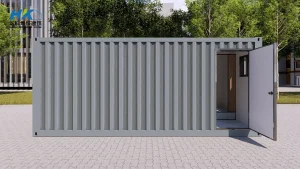
Quick-assembly flat-pack containers for mining camps in Western Australia or oil rigs in the Middle East.
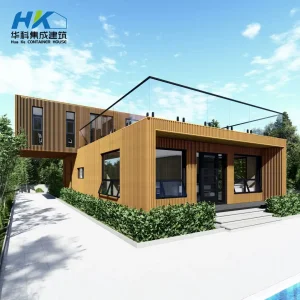
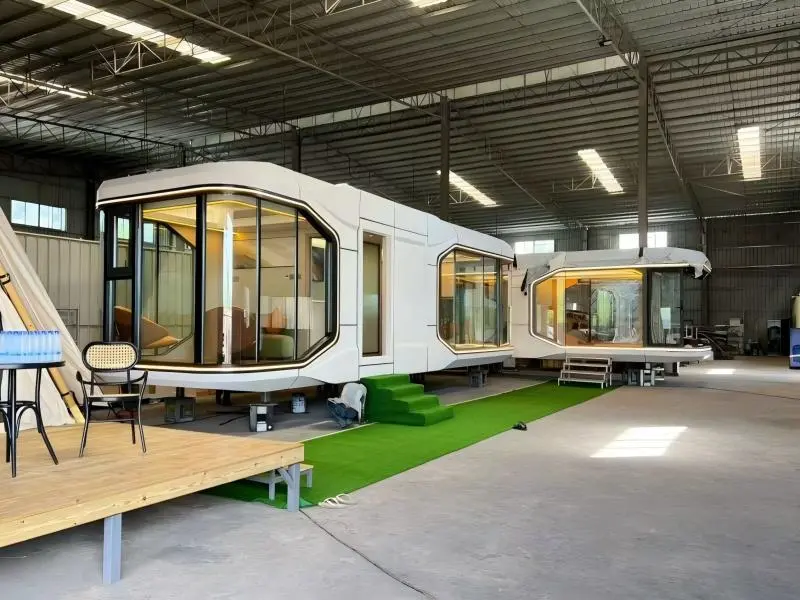
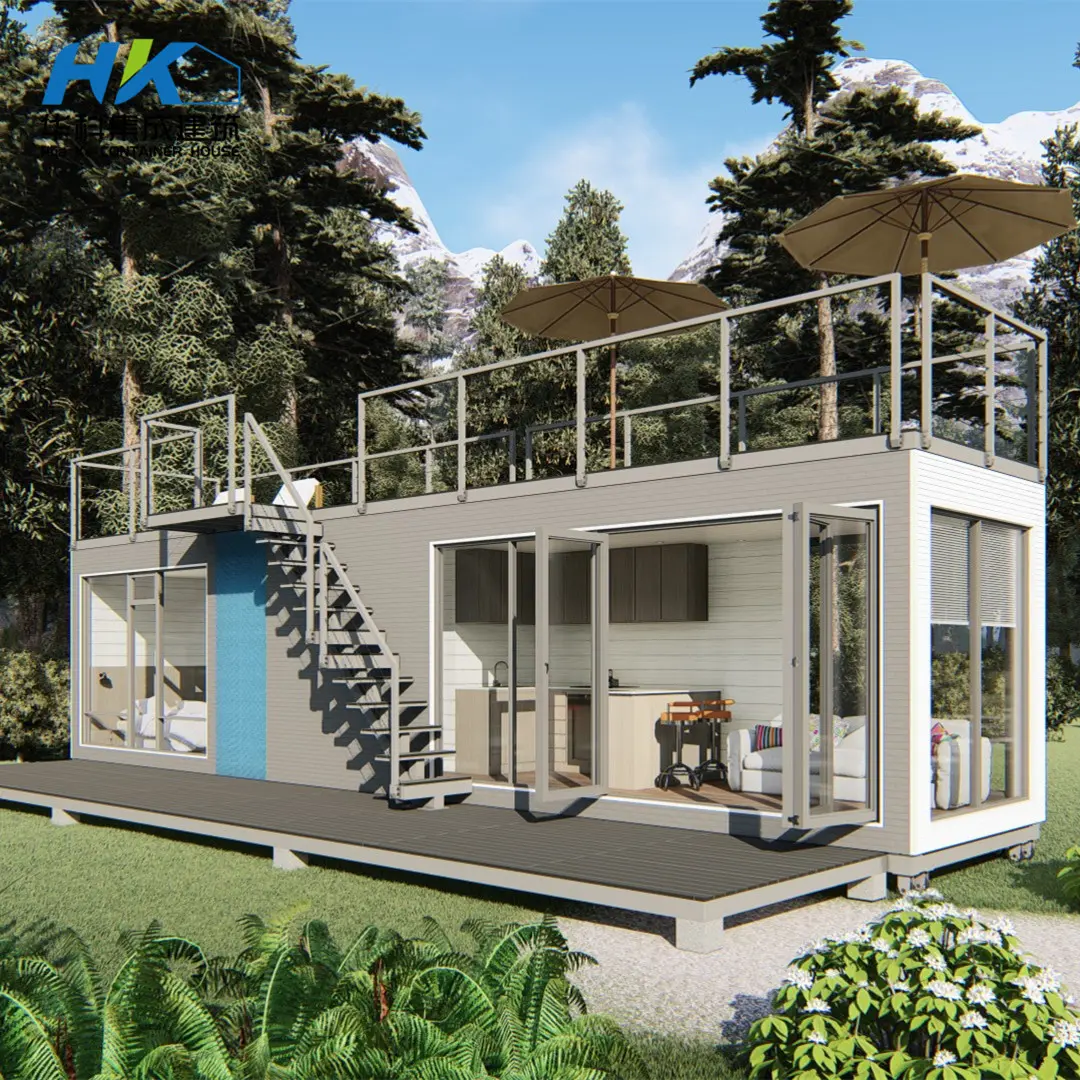
Modified shipping container suites and capsule houses for glamping resorts in the Swiss Alps or coastal Bali.
Rapidly deployable medical clinics and temporary housing for disaster-stricken areas worldwide.
As a leading manufacturer based in Jiangxi, China, Jiangxi Huake Prefab Building Co., Ltd. offers unparalleled advantages in the global supply chain. China's mature industrial ecosystem allows us to source high-grade steel and advanced building materials at a fraction of the cost found in the West.
Our advantage lies in Vertical Integration: we handle everything from architectural design and structural engineering to interior finishing and global logistics. This "one-stop-shop" approach ensures that our Low Cost Prefabricated Tiny Homes maintain luxury standards without the luxury price tag.
Jiangxi Huake prefab building Co., Ltd. was established in 2010, located in yanshantown, shangrao city, jiangxi province, China. We have two modern workshops covering an area of 12,000 square meters. After so many years of hard work, we are becoming one of the leading companies in the design and manufacture of prefabricated buildings.
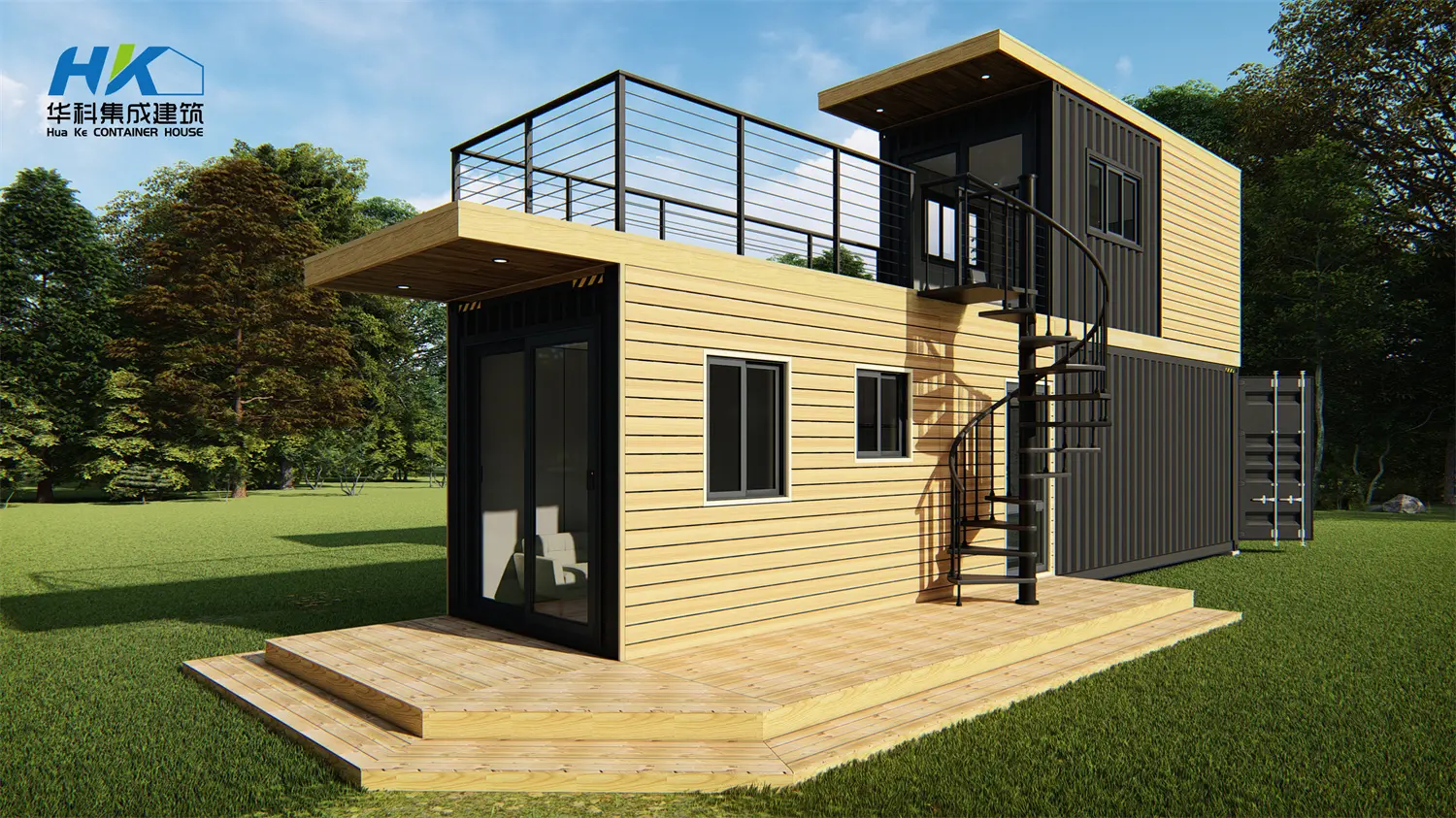
We offer professional services to modify containers and convert them into hotels, coffee shops, houses, offices, accommodations, tool rooms, and store rooms. Most products are exported to Europe, the USA, Australia, Southeast Asia, and South Africa.
Our Primary aim and goal is to build comfortable and satisfying houses for our customers.






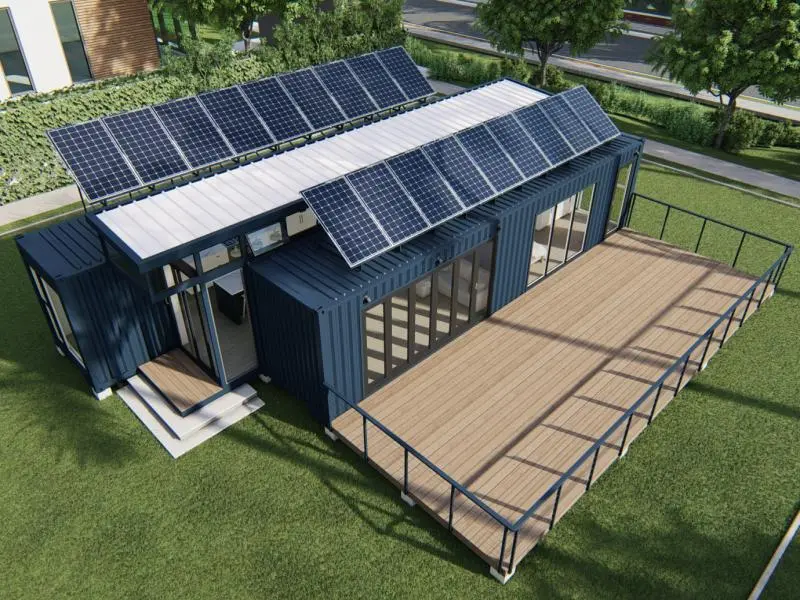
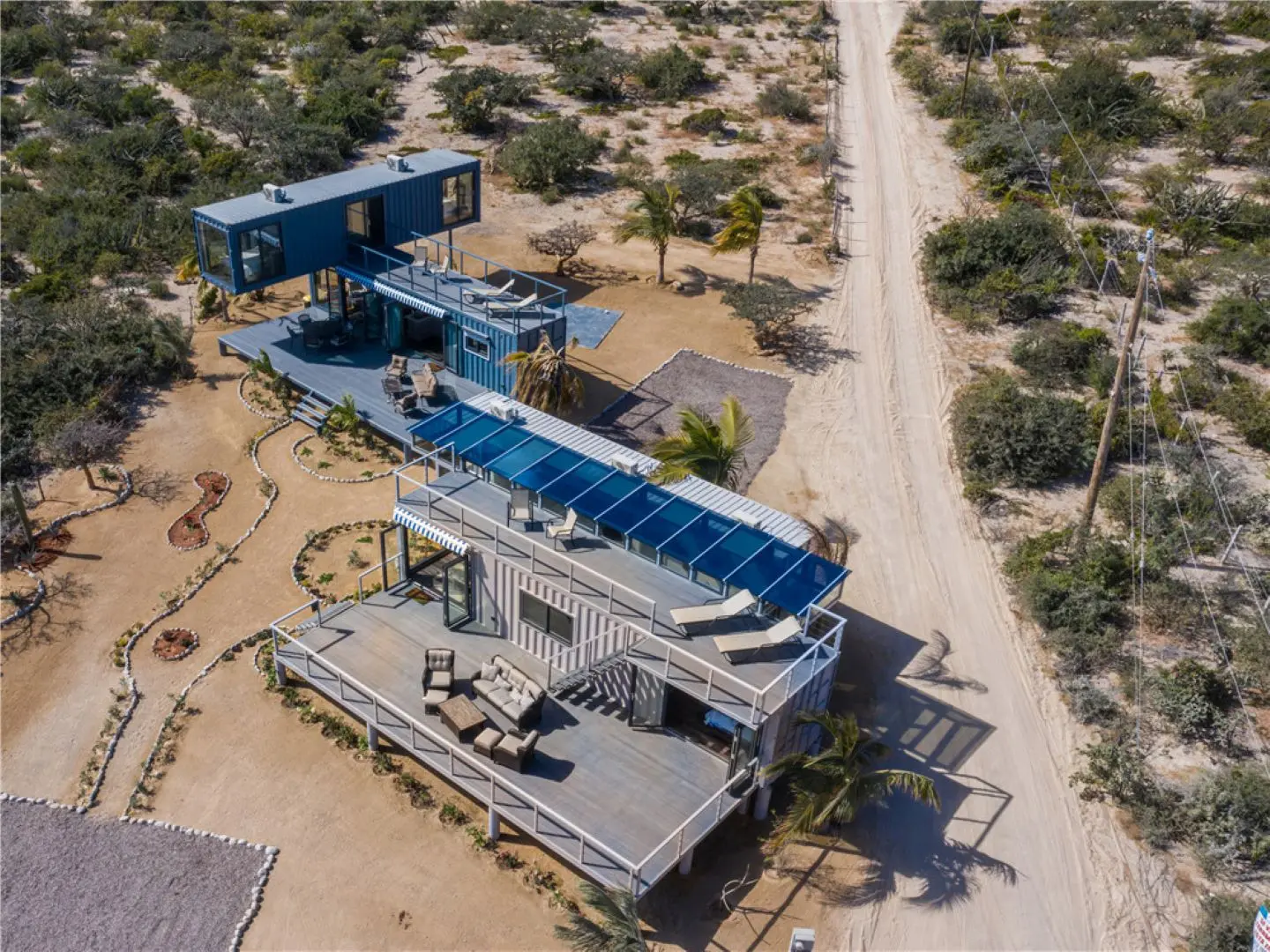
Solar system produces 48 kw daily; 30 kw storage capacity.
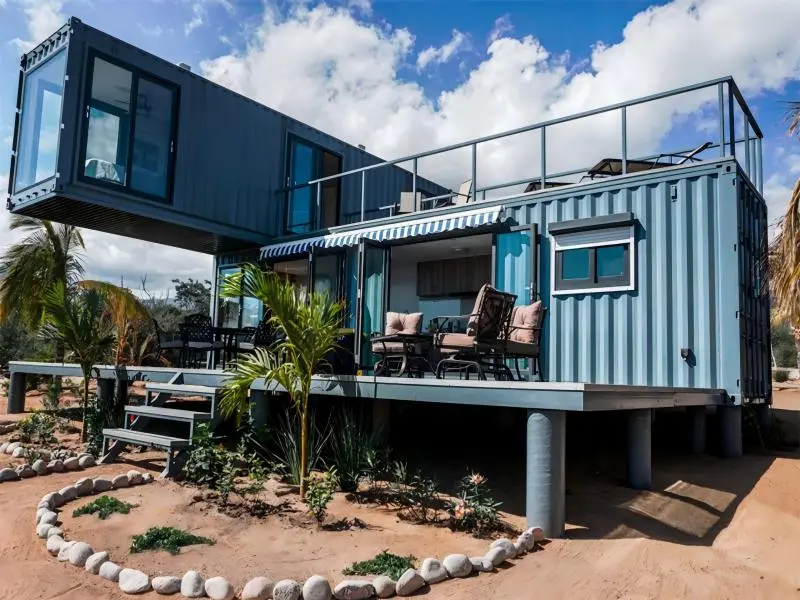
Kitchen, bathroom, living area, and two bedrooms across two 40ft HC containers.
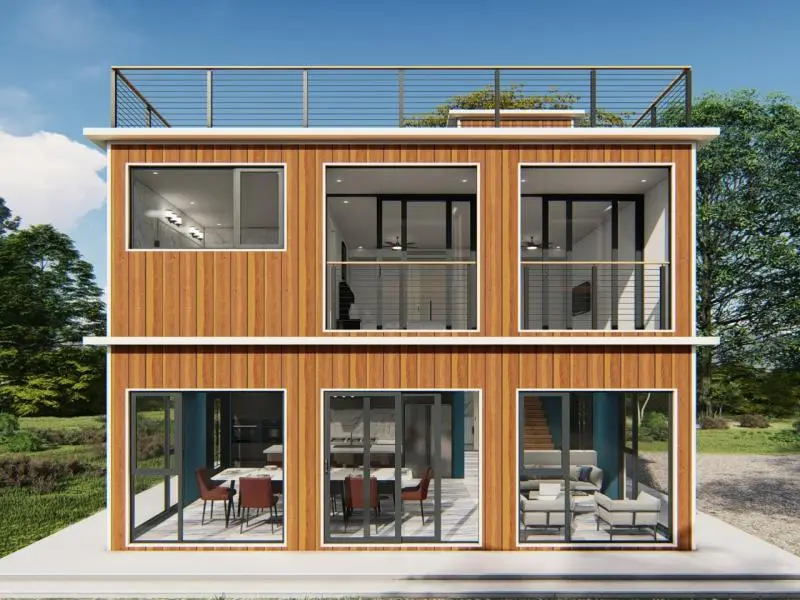
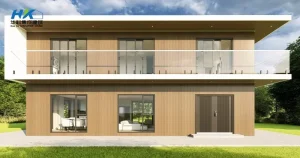
Combine multiple containers for spacious multi-story mansions.
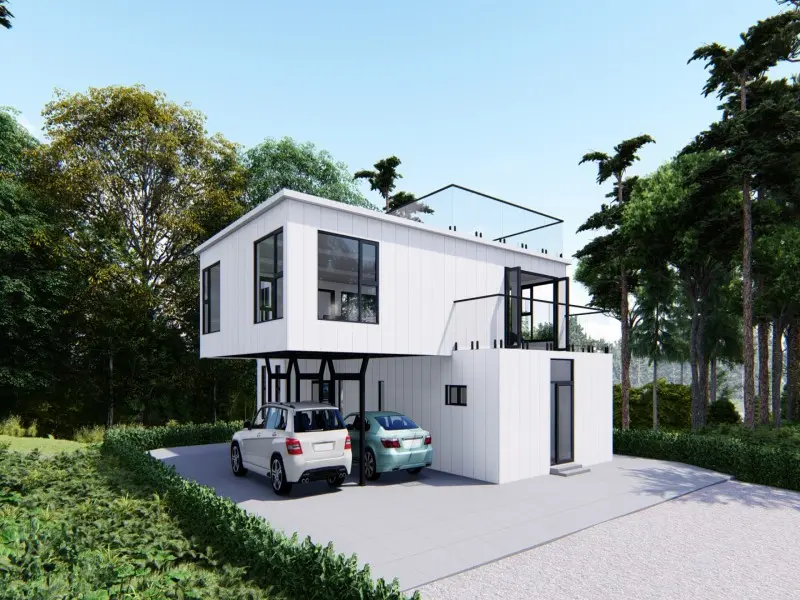
181 sqm house area + 70.4 sqm deck area. Total 251.4 sqm.
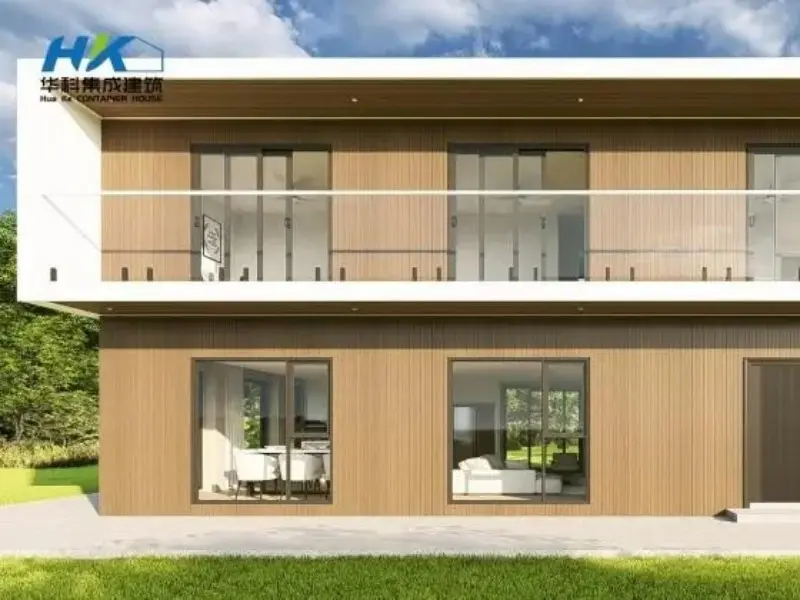
6*40ft two-storey design with a stunning 270-degree porch.
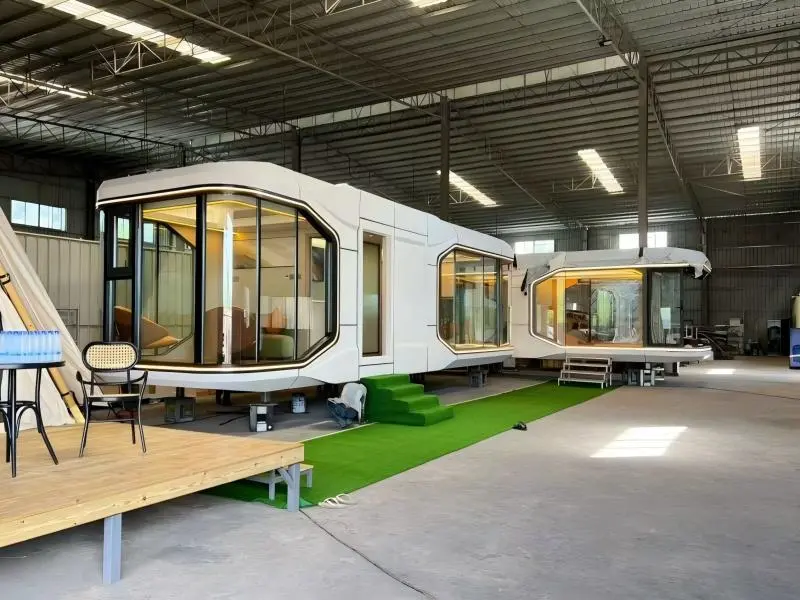
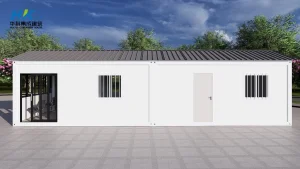
Affordable, modular, and perfect for permanent or temporary residence.
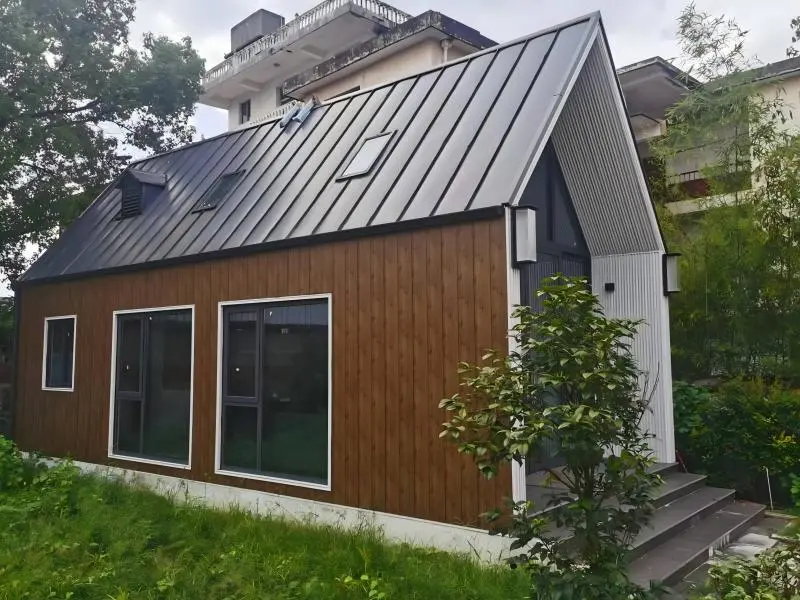
Prefabricated panels for easy bolt connection and rapid assembly.
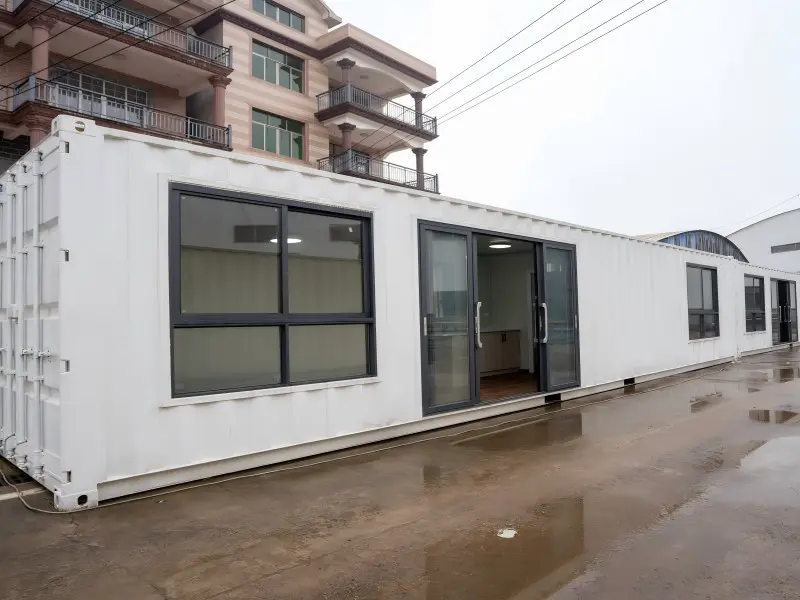
Exported to Australia; high-end permanent residence solution.
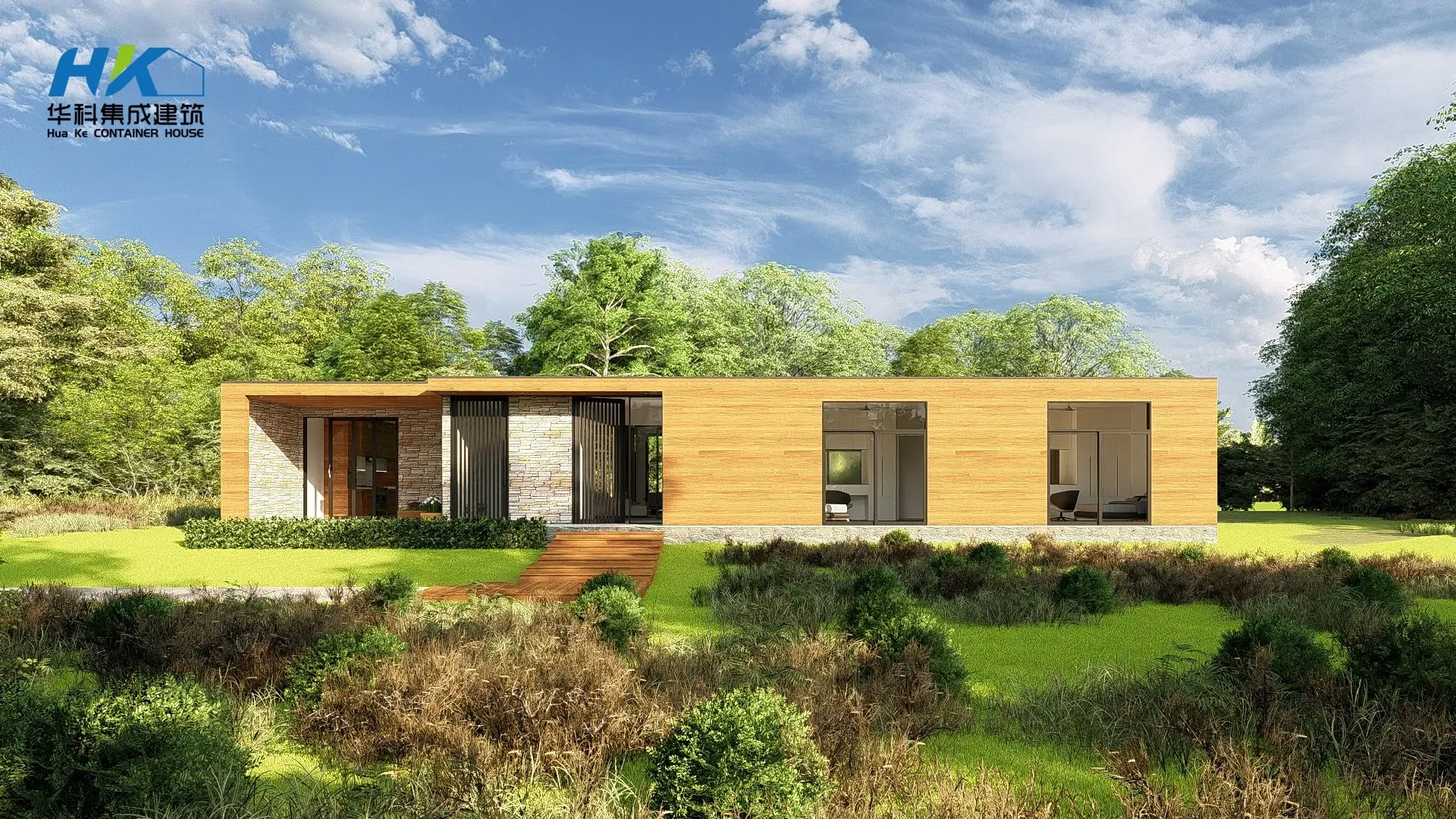
Protection from rain, snow, wind, and UV rays. Cladding acts as a vital barrier against moisture damage and rot.
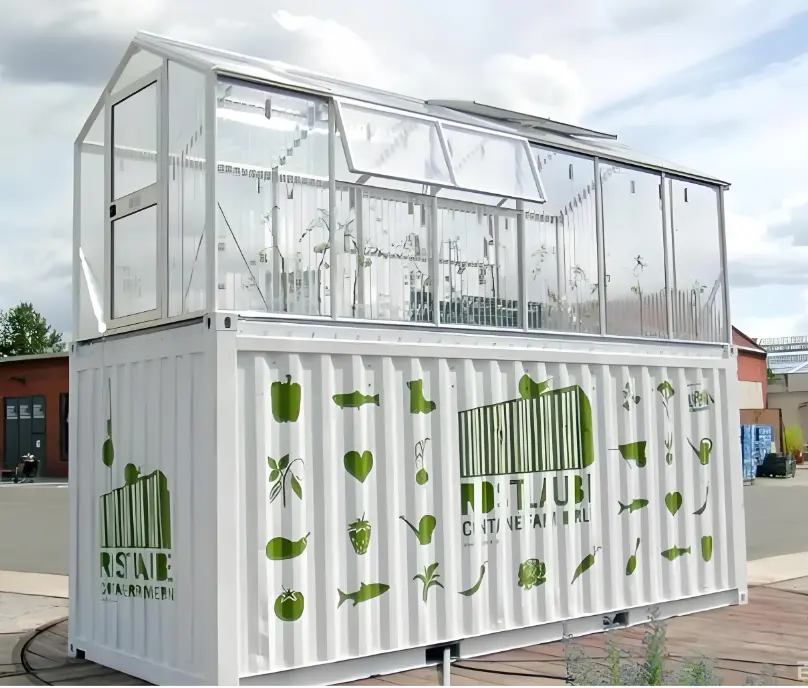
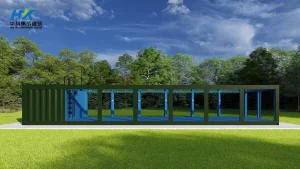
Repurposed shipping containers as climate-controlled environments for sustainable crop growth.
 HUA KE HOUSE