In recent years, the popularity of prefabricated homes has soared, especially in China. As global buyers seek affordable, sustainable housing, these homes present an innovative solution. Renowned expert Dr. Linda Chen, a leading architect in the prefabricated homes industry, states, “Prefabricated homes combine efficiency with modern design, catering to diverse lifestyles.” This sentiment resonates across markets as more individuals consider the benefits of these structures.
Chinese manufacturers have made significant advancements in prefabricated homes, integrating technology and sustainability. These homes are often constructed in a fraction of the time compared to traditional buildings. They provide customization options without significant delays. However, it is essential to acknowledge some criticisms surrounding durability and construction quality. While many builders strive for excellence, inconsistencies can arise.
Global buyers must weigh these factors when exploring prefabricated homes. Each project requires careful consideration of supplier reputation and material quality. Engaging with knowledgeable architects or builders can mitigate potential pitfalls. As the trend continues to grow, informed decisions will lead to a successful investment.
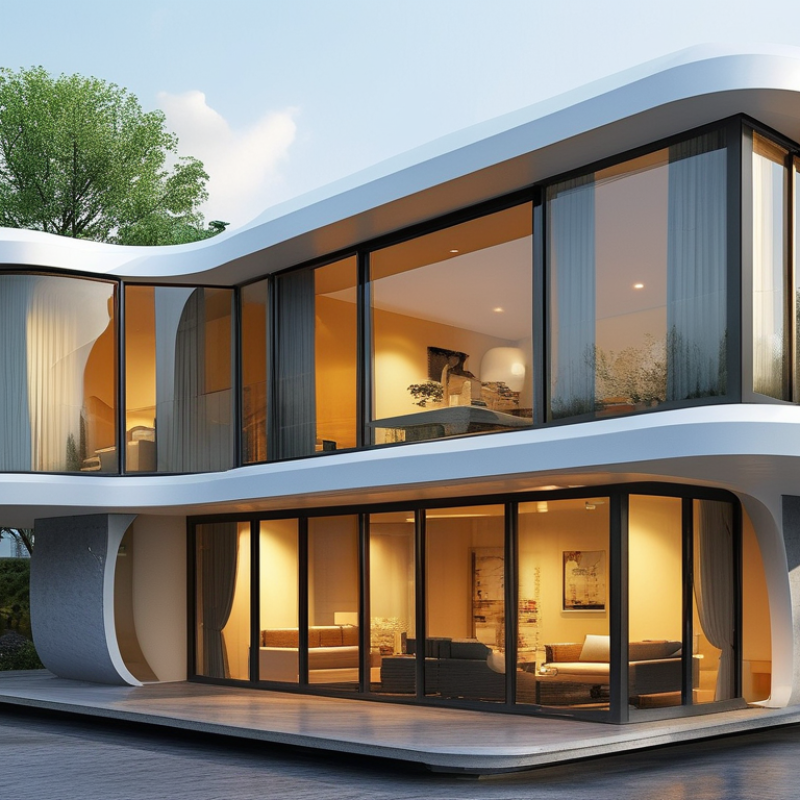
The prefabricated home market in China is evolving rapidly. Key trends reflect a growing preference for sustainable and energy-efficient designs. Buyers now demand homes that minimize environmental impact. Many options include solar panels and effective insulation materials to reduce energy consumption. Traditional designs are merging with modern technology. This blend offers unique aesthetics while maximizing functionality.
Customization is becoming essential in the market. Buyers want homes that reflect their personalities and lifestyle choices. Innovations in modular construction allow for flexible designs and quick assembly. However, the rise in customization presents challenges. It can lead to increased costs and longer delivery times. Buyers must weigh these factors carefully.
The market is also witnessing a shift towards smart homes. Integration of technology enhances convenience and security. Features like remote monitoring and smart appliances are appealing to many buyers. Yet, these advancements raise questions about data privacy and reliability. Many consumers are still cautious about fully adopting smart home technology, reflecting a need for better awareness and trust.
| Model | Size (sqm) | Price (USD) | Construction Time (Months) | Sustainability Features |
|---|---|---|---|---|
| Model A | 120 | 85,000 | 3 | Solar Panels, Rainwater Harvesting |
| Model B | 150 | 110,000 | 4 | Eco-friendly Materials, Energy-efficient |
| Model C | 180 | 150,000 | 5 | Insulated Walls, Low-VOC Finishes |
| Model D | 200 | 200,000 | 6 | Green Roof, Passive Solar Design |
| Model E | 230 | 250,000 | 7 | Smart Home Technology, Recycled Materials |
| Model F | 250 | 300,000 | 8 | Water-efficient Fixtures, Sustainable Landscaping |
| Model G | 300 | 350,000 | 9 | Energy Recovery Ventilation, Solar Water Heating |
| Model H | 350 | 400,000 | 10 | Zero Energy Ready, Efficient Insulation |
| Model I | 400 | 450,000 | 11 | Biophilic Design, Low Carbon Footprint |
| Model J | 450 | 500,000 | 12 | Smart Grid Connectivity, Green Certification |
: Focus on homes made from recycled or sustainable materials. This minimizes environmental impact significantly.
Choose designs that include energy-efficient systems. These systems help reduce energy consumption and save money.
Investigate the home's design and material source. Understand how these influence its environmental footprint.
Long distances for transporting materials can reduce sustainability benefits. Aim for locally sourced materials whenever possible.
A healthy local economy can support sustainable practices. Engage with communities that prioritize eco-friendly initiatives.
Language barriers and local regulations can complicate the purchase process. Prepare to address these issues for a smoother experience.
Request detailed quotes from suppliers. This ensures you understand all costs involved in the construction process.
A consultant can help navigate regulations and complexities. Their expertise is valuable for compliance and smooth transactions.
Yes, natural insulation helps maintain comfortable temperatures year-round. It’s a key element for energy efficiency.
Understanding local zoning laws and construction standards is crucial. Failing to do so can lead to delays or complications.
The article "Top 10 Prefabricated Homes in China for Global Buyers" explores the growing trend of prefabricated homes, highlighting key benefits such as cost-effectiveness, speedy construction, and versatility in design. With a surge in demand, these homes cater to diverse buyer preferences while offering innovative design options that reflect both modern aesthetics and functionality.
Additionally, sustainability is emphasized, showcasing how eco-friendly materials and practices in prefabricated housing contribute to environmental conservation. The guide also addresses the intricacies of navigating the purchase process for international buyers in China, ensuring that potential homeowners are well-informed about their options and can make educated decisions in this burgeoning market for prefabricated homes.

 HUA KE HOUSE