The rise of the Foldable House has transformed the housing industry. Recent studies show that over 30% of new homeowners are considering alternative housing solutions. Foldable Houses offer flexibility, sustainability, and cost-effectiveness. Reports indicate that these structures can be assembled in under a week, depending on the model.
The World Bank emphasizes the need for affordable housing. Traditional construction methods often fail to meet this demand. Foldable Houses present a viable solution, requiring fewer materials and reducing construction waste. Besides, they can adapt to various environments, proving handy in disaster relief situations.
However, the adoption of Foldable Houses is not without challenges. Potential homeowners must weigh their portability against permanence. Engaging with local regulations can also present hurdles. Awareness of these nuances is essential in making informed decisions about housing needs.
Advantages of Space Efficiency in Foldable Houses
Foldable houses have emerged as innovative solutions for space efficiency. One significant advantage is their ability to maximize limited land. In urban areas, where real estate is costly, these homes can be compact yet functional. They offer a flexible living space that transforms according to your needs. This adaptability allows for easy customization, from a cozy studio to a spacious family setting.
Moreover, foldable houses can be swiftly assembled and disassembled. This feature caters to different lifestyles—ideal for those who move often, whether for work or leisure. However, living in a foldable home may present challenges, like adjusting to smaller spaces. Some people might struggle to downsize their belongings. It's crucial to find ways to live minimally.
The materials used in foldable homes often contribute to sustainability. Many designs emphasize eco-friendly practices, reducing environmental impact. Yet, buyers should research local building regulations and zoning laws to ensure compliance. Space efficiency in foldable houses undeniably offers new possibilities. But it requires thoughtful consideration of personal needs and long-term living arrangements.
Cost-Effective Solutions: How Foldable Houses Save You Money
Foldable houses are becoming increasingly popular due to their cost-effective nature. Traditional home construction can be a financial burden. According to recent industry reports, building costs have surged by over 20% in the past two years. In contrast, foldable houses can be assembled at a fraction of this cost. Some estimates suggest savings of up to 50% on labor and materials when comparing conventional houses to foldable options.
Additionally, the time saved during construction is significant. Traditional homes can take months to complete, while foldable houses can often be ready in a matter of weeks. This rapid assembly means lower labor costs and reduced temporary housing expenses. Moreover, foldable houses use sustainable materials, which can lead to long-term savings on energy bills. According to the U.S. Department of Energy, energy-efficient homes can save homeowners 30% on energy costs annually.
However, there are challenges. Foldable houses must be designed to withstand various environmental factors. The technology is evolving, and some designs may not meet all local building codes. Potential buyers should conduct thorough research. It's crucial to verify the durability and safety of these structures. Despite these concerns, foldable houses present an innovative solution in the realm of affordable living.
Environmental Benefits of Choosing a Foldable Home
Choosing a foldable home comes with significant environmental benefits. One key advantage is the reduced carbon footprint. These houses often use sustainable materials and efficient designs. This helps conserve energy and resources during construction. For instance, less raw material is needed, minimizing waste.
Another benefit is the flexibility of location. Foldable houses can be placed in areas that may have been previously unsuitable for traditional builds. This versatility allows for better use of land. Urban sprawl can be reduced as more people opt for collapsible options. However, some may question durability and weather resistance.
The potential for reuse is also notable. When a foldable home becomes unnecessary, it can be relocated or repurposed. This prolongs the life cycle of the materials used. It encourages thoughtful living and promotes a circular economy mindset. Communities can benefit too, but the initial investment might be challenging for some families. Thoughtful planning and education on benefits can help bridge this gap.
Flexibility and Adaptability for Changing Needs
Flexibility is a major advantage of choosing a foldable house. These homes can adapt to your changing needs over time. If your family grows, you can easily expand your space. Conversely, if life takes you in a different direction, downsizing is a breeze. This fluidity can alleviate stress during significant life changes.
Foldable houses are designed with modular components. Each section can be moved or reconfigured based on preference. This means you are not locked into a fixed design. Instead, you can modify layouts to suit new functions, such as creating a home office or extra storage. The ability to personalize your space adds a unique touch.
Despite their benefits, foldable houses come with challenges. Some construction methods may lack durability. Others may not meet local building codes. It’s essential to research and ensure compliance. Understanding these factors can empower you to make informed decisions about your living situation.
Ease of Transportation and Relocation with Foldable Houses
Foldable houses offer remarkable ease of transportation and relocation. These structures can be easily disassembled and packed up. This feature is especially valuable for those who move frequently. Imagine being able to take your home with you, regardless of where life leads. It eliminates the stress associated with finding a new place to live.
Relocating becomes a breeze with foldable houses. Their lightweight design means you can transport them with ease. You can fit them into a standard truck or trailer without hassle. This flexibility allows for quick setups in new locations, enabling you to enjoy your space without delays.
However, there are challenges to consider. While foldable homes are convenient, the installation process can vary. Some models may require specific tools or skilled labor for assembly. Researching reliable methods is essential to avoid potential issues. Despite these hurdles, the advantages of easy relocation make foldable houses an attractive option for many.
Top 10 Benefits of Choosing a Foldable House for Your Needs
| Benefit |
Description |
| Ease of Transportation |
Foldable houses can be easily transported to different locations, allowing for flexibility in housing options. |
| Quick Assembly |
These structures can be assembled quickly and efficiently, saving time on construction. |
| Cost-Effective |
Foldable houses are generally more affordable than traditional homes, making them accessible to a wider audience. |
| Sustainable Materials |
Often constructed from environmentally friendly materials, reducing the carbon footprint of housing. |
| Flexible Design Options |
Available in various designs and layouts to meet different living needs and preferences. |
| Reduced Maintenance |
Foldable houses usually require less maintenance compared to traditional houses, saving time and effort. |
| Space Efficiency |
They maximize use of space, allowing for a functional living environment in a smaller footprint. |
| Mobility for Nomadic Lifestyles |
Ideal for those who frequently relocate or prefer a nomadic lifestyle, offering a home wherever they go. |
| Customization |
Homeowners can customize their foldable houses to suit their aesthetic preferences and functional needs. |
| Community Integration |
Facilitates easy integration into different communities and settings, promoting social connectivity. |
Conclusion
A Foldable House presents numerous advantages that cater to modern living requirements. Firstly, its space efficiency allows for optimized utilization of available areas, making it an ideal solution for those in urban environments or limited spaces. Economically, Foldable Houses offer cost-effective solutions as their design reduces construction and maintenance expenses, ultimately saving homeowners money in the long run.
Moreover, these homes are environmentally friendly, utilizing fewer resources and promoting sustainability. Their inherent flexibility and adaptability make them suitable for various needs, accommodating changing lifestyles effortlessly. Lastly, the ease of transportation and relocation enhances their appeal, enabling homeowners to move their residences with relative simplicity. In summary, choosing a Foldable House not only addresses practical concerns but also aligns with contemporary values of sustainability and adaptability.
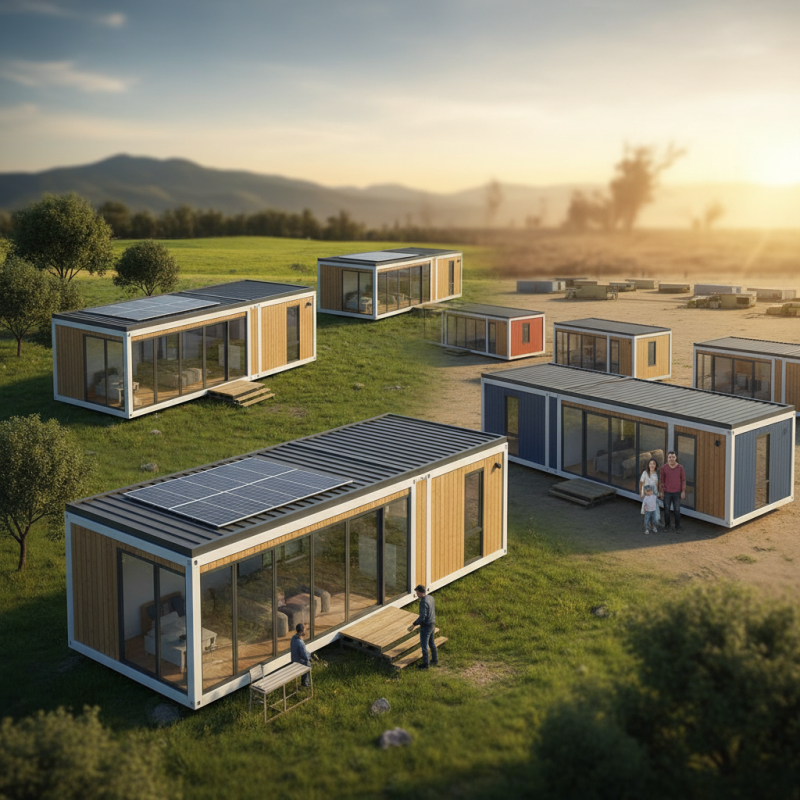

 HUA KE HOUSE