In the evolving world of housing solutions, the "Easy Installation Container House" stands out as a remarkable innovation. With rising housing demands globally, these structures offer flexibility and efficiency. They are not just alternative living spaces; they embody modern and sustainable design principles.
Purchasing a container house may seem straightforward, but understanding the installation process is crucial. Many buyers overlook vital details. For instance, site selection and foundation requirements impact stability and comfort. Ensuring a level base and appropriate permits can prevent costly mistakes.
As global buyers explore options, learning from experts in the field becomes essential. They can provide insights into customizable features and local regulations. It’s important to acknowledge that while these houses are easy to install, they require careful planning. Recognizing potential challenges is a part of making an informed decision. Embracing the nuances of installation will lead to a successful container home experience.
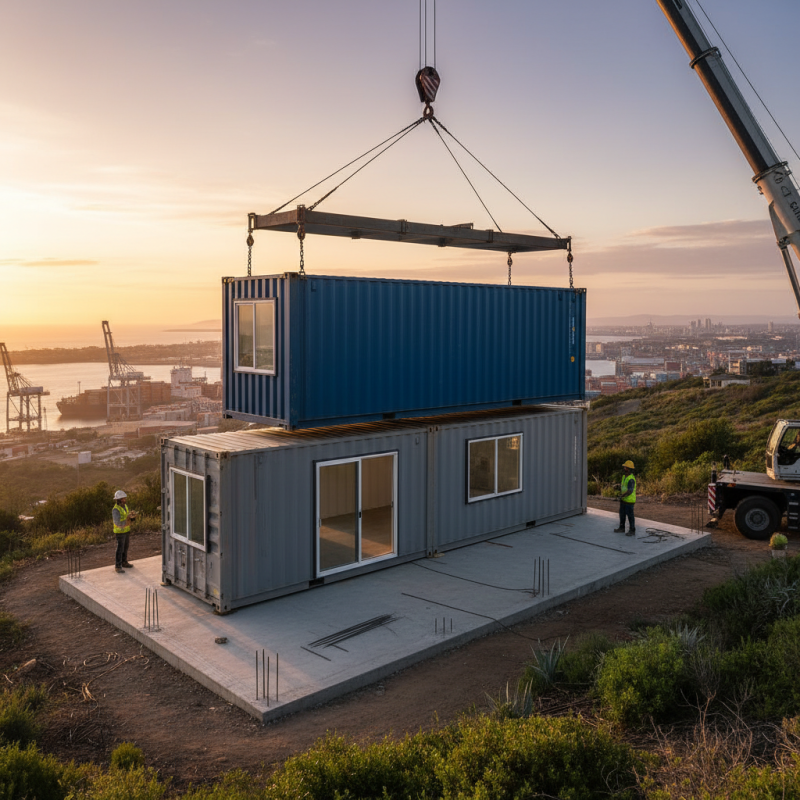
Purchasing a container house can be an exciting venture. However, it's essential to consider several factors before making a decision. First, assess your budget. Container homes can vary significantly in price based on size, design, and modifications. A clear budget helps avoid overspending.
Next, think about the location. The placement of your container home affects its viability. Check local zoning laws and building codes. These regulations can impact foundation requirements and permit fees. Understanding your site’s climate is crucial as well. Insulation and ventilation considerations will differ based on weather patterns.
Lastly, think about customization. Container houses offer unique design opportunities. However, important features may require additional investment. Reflect on your lifestyle needs. Consider space requirements and how you intend to use the house. Planning for future modifications can save money long-term. Building a container home can be straightforward, but careful thought is necessary to ensure it meets your needs.
When considering the installation of a container house, having the right tools is essential. Key tools include a heavy-duty drill, level, and welding equipment. A heavy-duty drill is crucial for creating holes in the container's steel structure. You might struggle without a proper drill, as it can lead to inefficiencies. The level helps ensure that your foundation is even, preventing potential issues down the line.
Another important tool is a torch for welding. If you're new to welding, consider practicing on scrap metal first. Welding mistakes can compromise the integrity of your container house. Safety gear, such as gloves and goggles, should never be overlooked. Working with containers involves sharp edges and heavy materials, making safety a priority.
Don’t forget about hand tools like wrenches and hammers. They are vital for assembling components. Often, buyers underestimate the importance of these simple tools. Avoiding a tool can lead to frustration in the assembly process. A toolbox stocked with the basics can keep the installation smooth, making the process more enjoyable.
Preparing the installation site for a container house is crucial. Proper groundwork sets the stage for a successful installation process. Begin by assessing the location's soil quality. According to the American Society of Civil Engineers, poor soil support can result in structural issues. A soil test can help determine the bearing capacity and provide insights into necessary reinforcements.
Next, consider access to utilities. Many container homes require electricity, water, and sometimes sewage connections. The Department of Energy indicates that having utilities easily accessible can reduce installation costs by up to 20%. Plan the site layout to account for trenching and piping. This preparation is essential to ensure smooth utility installation.
Lastly, think about drainage. Proper drainage prevents water accumulation around the foundation. Heavy rainfall can compromise the structure's stability. Research shows that 30% of foundation issues occur due to inadequate drainage systems. Adding a gradient to the site can help direct water away. While these details may seem tedious, overlooking them can lead to expensive repairs later. It's important to reflect on potential risks rather than rush the preparatory phase.
Assembling a container house requires meticulous planning and execution. Understanding structural integrity is crucial. According to a recent report by the International Organization for Standardization (ISO), about 35% of container house projects face issues related to stability. Employing best practices can mitigate these risks.
One vital practice is to ensure proper ventilation. Container houses can trap heat and moisture. Researchers from the Building Research Establishment (BRE) found that inadequate ventilation can lead to mold growth, affecting both aesthetics and health. Installing windows and vents correctly can enhance air circulation. This simple step can significantly improve living conditions.
Materials play a key role too. Using high-quality insulation can reduce energy costs. A survey from the National Renewable Energy Laboratory (NREL) indicated that homes with superior insulation consume 20-30% less energy. However, sourcing these materials can be a challenge. Buyers should seek local suppliers whenever possible. This approach not only supports local businesses but can also save on transport costs. Balancing quality and affordability is essential for long-term satisfaction.
When considering a container house, structural integrity is paramount.
Proper anchoring methods enhance stability. Stake the foundation securely to prevent shifting during storms.
Use high-quality materials for internal modifications. Choose insulated panels to improve thermal performance.
This ensures your space is comfortable in any climate.
Longevity also depends on maintenance practices. Regular inspections of seals and joints can prevent leaks.
Rust treatment is crucial for metal containers. Apply protective coatings every few years to extend life.
Remember that your choice of location impacts durability. Avoid low-lying areas prone to flooding.
Even with meticulous planning, challenges may arise.
Unexpected weather conditions can compromise installations. It’s wise to have contingency plans.
Reflect on how to strengthen your design against natural elements. Engaging with professionals can provide insights.
Their experience can enhance both stability and longevity.
: Assess your budget carefully. Container homes vary widely in price based on size and customization. A clear budget helps avoid overspending.
The location affects viability. Check local zoning laws and climate conditions, as they influence foundational needs and permits.
Customization offers unique design opportunities. However, it may require extra investment. Reflect on your lifestyle and future needs.
Proper ventilation prevents heat and moisture buildup. Inadequate airflow can lead to mold, compromising health and living conditions.
Use proper anchoring methods and high-quality materials. Secure the foundation and employ insulated panels for better performance.
Regular inspections and rust treatment are vital. Apply protective coatings to extend the life of metal containers.
Severe weather can compromise installations. Prepare contingency plans and strengthen designs against potential natural elements.
Sourcing quality insulation can be tough. Look for local suppliers to save on transport costs and support local businesses.
Quality insulation reduces energy costs significantly. Homes with better insulation consume 20-30% less energy, making it an important consideration.
Yes, professionals can offer valuable insights. Their expertise can improve stability and longevity while minimizing potential challenges.
When considering the purchase of an Easy Installation Container House, there are several key factors to address. It's essential to evaluate the location, climate, and local building codes before making a decision. Having the right tools is also crucial for a smooth installation process, so prepare a comprehensive toolkit beforehand.
Preparing the installation site involves clearing and leveling the ground, which ensures a stable base for your container house. Following best practices in assembly will facilitate a safe and efficient construction process, while focusing on structural integrity and longevity is vital for your home’s durability in various environmental conditions. By adhering to these guidelines, buyers can enjoy a seamless installation experience and create a comfortable living space.

HUA KE HOUSE