Container homes represent a revolutionary shift in modern living. Built from repurposed shipping containers, these homes offer an eco-friendly alternative to traditional housing. The Container Home market is rapidly growing, with industry reports projecting a compound annual growth rate of approximately 6.5% over the next five years. This growth reflects a rising interest in sustainable architecture and efficient building practices.
“Container Home design is not just about eco-friendliness; it's about versatility and creativity,” says Sarah Thompson, a leading expert in sustainable architecture. Her insight resonates with many who are considering this option. These homes can be easily customized and adapted to various climates, making them a practical choice. Yet, building a Container Home comes with challenges. Not all designs maximize space effectively, and zoning regulations can be restrictive.
Investing in a Container Home can lead to substantial savings in energy and building costs. However, prospective homeowners should weigh the individuality of container living against local building codes. The right approach can transform these containers into beautiful, efficient homes that reflect modern sensibilities.
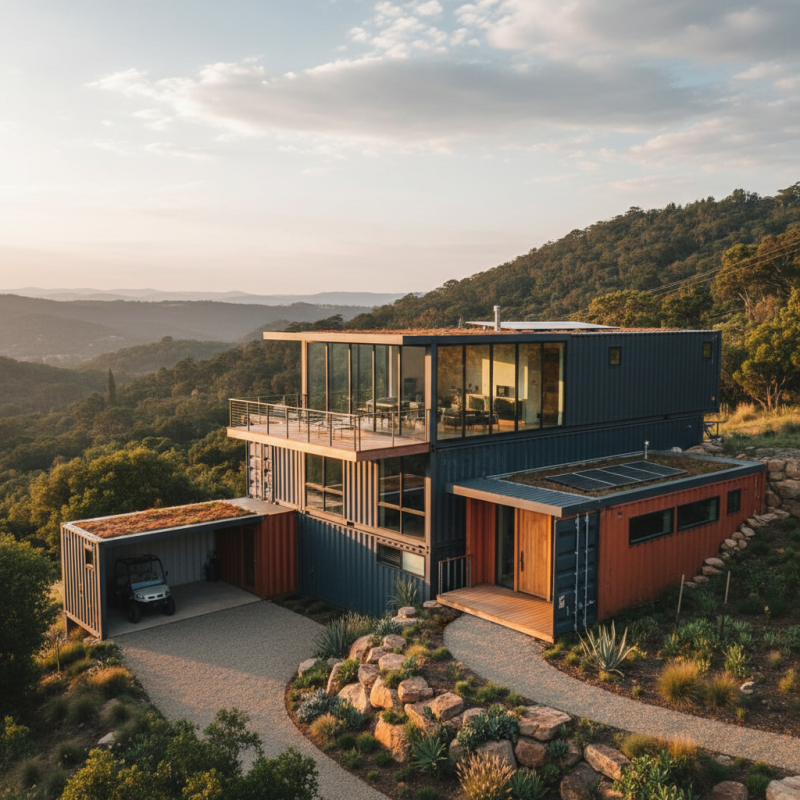
Container homes are an innovative housing solution that repurposes shipping containers into livable spaces. These homes can be designed to suit various lifestyles and environments, making them increasingly popular. According to a recent report by MarketsandMarkets, the global modular home market, which includes container homes, is projected to reach $160 billion by 2025. This growth highlights a significant shift towards alternative housing solutions driven by cost and sustainability.
One of the key attractions of container homes is their affordability. They typically cost 30-50% less than traditional homes. Additionally, container homes can be constructed quickly, often within a few months. However, buyers should be aware of potential challenges, such as insulation issues and the need for proper ventilation. It's essential to work with experts familiar with container home construction to address these concerns effectively.
Tips: Consider local building codes before starting your container home project. Not all areas allow for unconventional housing structures. Conduct thorough research on suppliers to ensure quality materials. Customization options can vary significantly. Be mindful of the environmental factors in your location when planning your design.
Container homes offer a compelling modern solution for those seeking affordable and sustainable living options. Made from repurposed shipping containers, these homes are highly versatile. They can be customized to fit personal styles while remaining energy-efficient. Many people are drawn to their unique aesthetic, which stands out compared to traditional homes.
One significant benefit of container homes is their environmental impact. By reusing containers, fewer raw materials are consumed. Additionally, their durability means they require less maintenance over time. This not only saves resources but can also lead to cost savings for homeowners. Choosing a container home can be a step toward a more sustainable lifestyle.
**Tips:** When considering a container home, think about placement. Choose a location with access to necessary utilities. Check local regulations, as some areas have restrictions on container homes. Lastly, consider insulation options to enhance comfort during extreme weather. Balancing aesthetics with practicality can pose challenges, so research design ideas thoroughly.
Container homes have gained popularity for their unique design possibilities and eco-friendly attributes. They offer a blank canvas for creativity, attracting architects and homeowners alike. With various sizes and shapes, you can design a layout that fits your lifestyle. Recent studies indicate that over 60% of new homeowners consider customization essential. This trend highlights a desire for personalization in modern living spaces.
Customization options for container homes are vast. You can choose finishes, colors, and layouts. Many people opt for large windows to enhance natural light. Some even incorporate green roofs or solar panels for sustainability. According to industry reports, about 45% of container home buyers prioritize energy efficiency in their designs.
However, custom designs might come with challenges. Structural modifications can compromise integrity. Always consult with experts when altering a container’s structure. Local regulations can also present hurdles. Not every jurisdiction may welcome container homes, affecting your design choices. Balancing personal vision with practical constraints requires careful planning.
| Dimension | Container Home Option | Customization Options | Benefits |
|---|---|---|---|
| 20 Feet | Standard Container | Open Floor Plan | Cost-Effective |
| 40 Feet | Double Container | Modular Additions | Eco-Friendly |
| Shipping Container | Recycled Container | Interior Design | Quick Assembly |
| Custom Size | Tailored Container | Exterior Finishing | Stylish Design |
Container homes are becoming popular due to their unique environmental advantages. Constructed from repurposed shipping containers, these homes offer a sustainable option for modern living. They reduce waste by reusing materials that would otherwise end up in landfills. This approach promotes recycling and minimizes the need for new resources.
The environmental impact of container homes extends beyond material use. Their compact size requires fewer natural resources for heating and cooling. This often results in lower energy expenses, making them a cost-effective choice for eco-conscious homeowners. However, constructing these homes can present challenges, such as the need for insulation and protection from rust. Addressing these issues is vital for their long-term sustainability.
Moreover, the aesthetic appeal of container homes cannot be overlooked. They can be designed to blend into various landscapes and styles. However, zoning regulations may complicate their legality in some areas. It’s important to research local laws before moving forward. Container homes can indeed be a meaningful response to the growing demand for sustainable housing options, yet they require careful consideration and adaptability.
Container homes have become a popular choice for many seeking affordable living solutions. Understanding the cost factors is crucial when considering this option. The initial investment is often lower than traditional houses. A used shipping container can be purchased for a few thousand dollars. However, this doesn't tell the whole story. Renovation costs can quickly add up. Structural reinforcements, insulation, and utilities need careful budgeting.
Maintenance is another factor often overlooked. While container homes are durable, they require proper sealing to prevent rust. This adds ongoing costs. Planning for local building codes and permits is essential, too. These legal requirements might surprise first-time builders. Additionally, designing the space can be quite challenging. Finding the right layout suitable for container dimensions requires creativity.
You might think the savings in construction will balance out the unexpected expenses. Yet, it's easy to miscalculate costs. Undeniably, container living offers flexibility. But potential owners must prepare for hidden surprises. Realistic financial planning is key. Ultimately, understanding these factors can lead to more informed decisions.
: Container homes are livable spaces made from repurposed shipping containers. They offer innovative housing solutions.
They are affordable and can be built quickly. Many people are drawn to their sustainability and unique design.
Typically, container homes cost 30-50% less than traditional homes. This price difference attracts budget-conscious buyers.
Buyers may encounter insulation issues and ventilation needs. It's crucial to consult experts in container construction.
Yes, they recycle materials and require fewer resources for heating and cooling. This leads to lower energy costs.
Yes, local zoning regulations can complicate building container homes. Researching these laws is very important before starting.
Renovation, maintenance for rust protection, and utility installations can add significant expenses. Proper budgeting is essential.
Yes, they can be customized to fit various styles. However, options may vary based on suppliers.
Absolutely, understanding local building codes and proper planning is key. Unexpected legal requirements can exist.
Consider environmental factors, design challenges, and cost implications. A realistic approach can help avoid surprises.
Container homes are innovative living solutions constructed from repurposed shipping containers. They offer a modern alternative to traditional housing, characterized by their affordability, durability, and eco-friendliness. These homes can be customized in terms of design and layout, allowing homeowners to create unique spaces that reflect their personal styles and needs.
The environmental benefits of container homes are significant, as they promote sustainability by recycling materials and often incorporate energy-efficient features. Additionally, the cost factors associated with container living can be more manageable than conventional homes, making it an attractive option for those seeking an economical yet stylish living solution. Overall, container homes represent a forward-thinking approach to modern housing, catering to both aesthetic desires and practical considerations.

HUA KE HOUSE