Choosing a tiny house is a significant step towards sustainable living. As eco-consciousness grows, tiny homes have gained popularity. They symbolize a minimalist lifestyle and a reduced carbon footprint. However, selecting the right tiny house requires careful thought.
You must consider various factors. Start with location and design. Is the house mobile or stationary? What materials are used in construction? Sustainable materials enhance durability and environmental benefits. Next, think about utilities. Solar panels and energy-efficient appliances can save costs while promoting an eco-friendly lifestyle.
A tiny house can be your sanctuary. It allows for simplicity and intentional living. Reflect on your needs and budget before committing. The journey to sustainable living can be meaningful yet challenging. Revisit your choices often. Each decision shapes your future in a tiny house, impacting both your life and the planet.
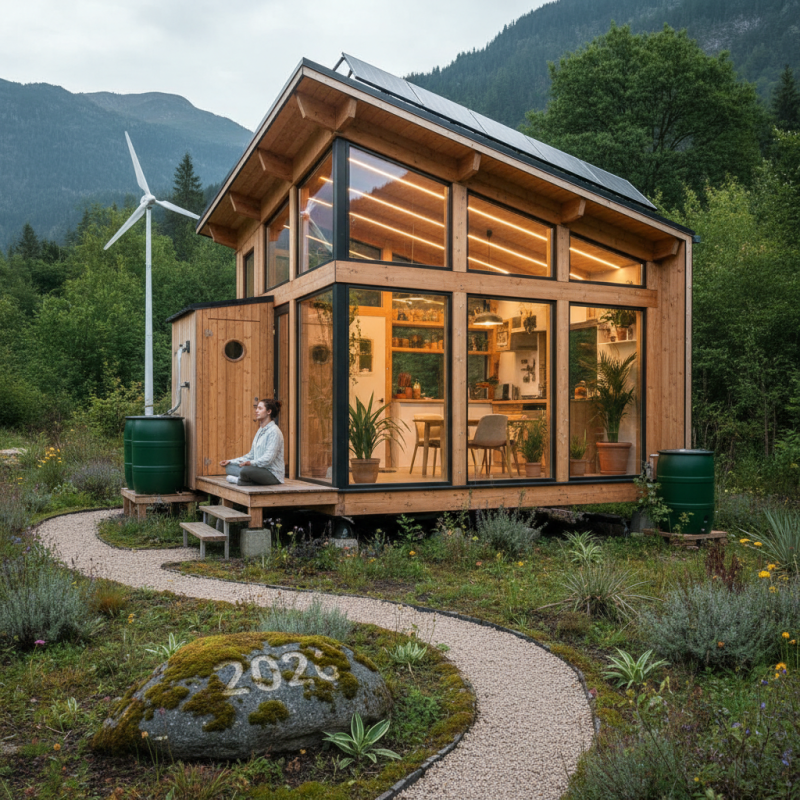
Tiny house living offers numerous benefits for sustainability. By reducing the physical footprint, individuals can minimize their energy consumption. Smaller spaces require fewer resources to build and maintain. This leads to a significant reduction in waste. For many, a tiny house symbolizes a simpler, decluttered lifestyle.
Living in a tiny house encourages mindful consumption. Homeowners often prioritize quality over quantity. They invest in sustainable materials and energy-efficient appliances. However, this shift may require adjusting to less living space and fewer possessions. It can be challenging, pushing boundaries of personal comfort and abundance.
Sustainability often means reconsidering our habits. Tiny house living demands more thoughtful planning of resources. Water conservation, solar energy use, and organic materials can shape your lifestyle. Yet, the transition is not always seamless. It bears moments of doubt about what is truly necessary. Embracing these challenges fosters a deeper connection with our living environment. It also encourages a greater sense of community and shared resources.
| Feature | Description | Sustainability Benefits |
|---|---|---|
| Size | Typically under 400 sq ft | Less energy consumption |
| Materials | Eco-friendly materials like reclaimed wood | Reduces carbon footprint |
| Energy Sources | Solar panels, wind turbines | Utilizes renewable energy |
| Waste Management | Composting toilets, greywater systems | Reduces waste output |
| Location | Upland, off-grid areas | Encourages self-sufficiency |
When choosing a tiny house for sustainable living in 2026, several key factors demand attention. Space efficiency is paramount. Consider how every inch functions. Multi-purpose furniture can significantly enhance usability. Look for hidden storage options to maximize your living area. Windows should be strategically placed to capture natural light and promote ventilation.
Sustainability features are also essential. Focus on energy-efficient appliances and renewable energy sources. Solar panels are becoming more accessible and can reduce dependence on traditional power grids. Materials play a crucial role as well. Use recycled or low-impact materials to minimize your carbon footprint. Research local building codes; regulations can impact your choices.
Location is another critical aspect. Your plot should have access to resources like water and waste management. Evaluate the environmental impact of your chosen location. Different terrains may pose unique challenges. Reflect on how you will adapt to these challenges. Making sustainable living choices can often require compromise and creativity. Embrace this journey to create a home that aligns with your values.
When selecting a tiny house for sustainable living, eco-friendly materials and construction techniques are crucial. Recycled materials can be a great choice. They often have a lower carbon footprint. Using reclaimed wood, for example, adds warmth and character. It’s essential to consider local sourcing, as it reduces transportation emissions.
Another vital aspect is insulation. High-quality insulation not only keeps a tiny house warm during winter but also minimizes energy use. Look for natural options like sheep’s wool or cellulose made from recycled paper. These materials are sustainable and effective. Many builders are now applying innovative techniques, like straw bale construction. This method is eco-friendly and offers excellent insulation.
Reflect on the importance of sustainability in your choices. Every small decision contributes to a larger impact. Aim for low-VOC paints and finishes, as they minimize indoor air pollution. Integrating renewable energy sources, like solar panels, can further enhance your home's sustainability. Every step towards eco-friendliness counts, leading to a more conscious living experience.
Choosing a tiny house for sustainable living means focusing on space optimization. In 2026, designs should reflect innovative use of limited square footage. For instance, convertible furniture can double as both seating and storage. Murphy beds can free up floor space during the day, transforming a bedroom into a multifunctional area. Compact appliances help minimize energy usage and enhance efficiency, promoting a sustainable lifestyle.
Additionally, consider incorporating smart technology. Smart thermostats and energy-efficient lighting can optimize energy consumption. However, choices must be made carefully. Overreliance on technology may lead to a disconnect with nature. It's essential to find a balance that maintains sustainability without sacrificing comfort. Reflecting on the layout is crucial; an open-plan design could foster a sense of community, while designated, personal spaces can ensure privacy. Ultimately, assess what features are essential for your sustainable journey. Adaptability is key as lifestyles evolve over time.
When choosing a tiny house for sustainable living, incorporating renewable energy solutions is essential. Solar panels can power your home, but placement is crucial. Without ample sunlight, efficiency drops. Wind turbines could also be a viable option. However, they require sufficient wind speed to generate energy effectively. Each location has its unique challenges.
Considering off-grid options can enhance your tiny house experience. Rainwater harvesting systems are practical. They reduce dependency on municipal water sources. However, it's vital to have proper filtration and storage systems in place. Composting toilets provide an eco-friendly waste disposal method. Yet, they require diligent maintenance to avoid unpleasant odors.
Sometimes, the integration of these solutions can be overwhelming. You might face setbacks, like zoning restrictions. These hurdles can test your commitment to a sustainable lifestyle. Balancing sustainability with practicality is not always easy. Reflection on your choices helps. Explore innovative solutions that suit your needs while staying environmentally conscious.
: Tiny houses reduce energy consumption and minimize waste, promoting a sustainable lifestyle.
Homeowners often have fewer possessions, focusing on quality over quantity. This can be challenging.
Tiny living encourages thoughtful resource planning, such as water conservation and energy use.
Using convertible furniture and compact appliances helps maximize limited square footage effectively.
Smart technology can enhance energy efficiency, but too much reliance can disconnect us from nature.
Balancing community spaces and personal areas is essential for comfort and connection.
Yes, individuals may experience doubts about what is truly necessary in their new lifestyle.
It fosters a sense of community and encourages sharing resources among residents.
Assess which features are essential for your sustainable journey while remaining adaptable.
It can be a great lifestyle, but adjustments to comfort and space are necessary for many.
In 2026, the trend of Tiny House living continues to gain momentum as a sustainable lifestyle choice. Understanding the benefits of this minimalist approach reveals its potential for reducing environmental impact while promoting efficient use of resources. When selecting a Tiny House, essential factors include size, design, and functionality, ensuring that the space meets personal needs without compromising on comfort.
Moreover, evaluating eco-friendly materials and construction techniques is crucial for creating sustainable homes. Tiny Houses should incorporate features that optimize space and multitask, making the most of limited square footage. Implementing renewable energy solutions and exploring off-grid options further enhances the sustainability of Tiny House living, allowing residents to minimize their carbon footprint and embrace a greener lifestyle.

HUA KE HOUSE