The trend of Container Homes is rapidly gaining momentum in the housing market. According to a recent report by the Container Home Association, 25% of new homeowners are considering container dwellings. These structures offer affordability and flexibility in design.
Expert Sarah Jenkins, a leading architect in sustainable housing, notes, “Container Homes are not just a trend; they redefine what we consider a sustainable lifestyle.” This perspective highlights the unique advantages of container living. These homes are eco-friendly and can be customized for various needs. However, potential buyers must weigh factors like insulation, local regulations, and space constraints.
Choosing the ideal Container Home is more than just aesthetics; it involves careful consideration of functionality and location. With the right guidance, these homes can offer innovative living solutions. However, it is essential to reflect on potential drawbacks, including limited space and initial investment. Understanding these elements can lead to a more informed decision.
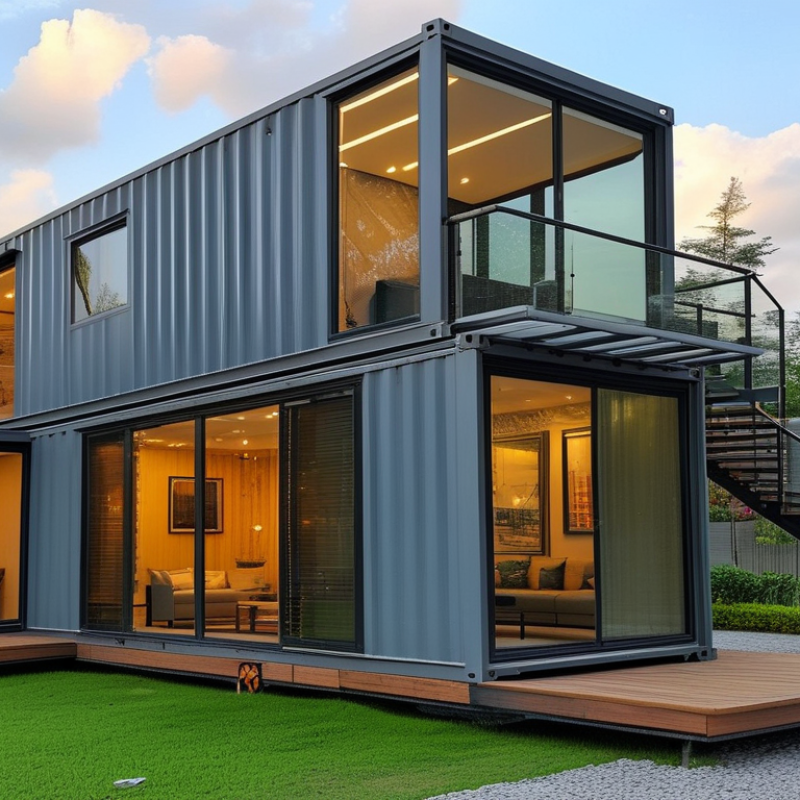
When considering a container home, understanding your specific living space needs is crucial. Space requirements can vary widely. Identify how many people will live in the home and their daily activities. A solo resident may require a cozy, efficient design, while a family may need multiple bedrooms. Think about communal and private spaces. A balance is essential.
Safety and accessibility are other factors to consider. Ensure the layout accommodates everyone comfortably. This might mean wider doorways or accessible bathrooms. Lighting is important too. Natural light can enhance the feeling of space. Smaller homes can feel cramped without adequate illumination.
Don't overlook outdoor areas. Container homes can benefit from decks or patios. These spaces extend your living environment. They offer room for relaxation and enjoyment. Reflect on how you envision your life in this home. Consider the imperfections of the space as well. Perhaps it won't fit every dream perfectly. However, remaining flexible allows for creative solutions. Your container home can evolve as your needs change.
| Feature | Description | Considerations |
|---|---|---|
| Size | Choose a size based on the number of occupants and your space requirements. | Consider future needs and potential to expand. |
| Layout | Decide on an open or segmented layout for the rooms. | Evaluate the flow of movement and privacy needs. |
| Insulation | Quality insulation ensures year-round comfort. | Check for materials used and insulation ratings. |
| Build Quality | Durability depends on the container's condition and modifications. | Inspect before purchase for any structural issues. |
| Cost | Total cost should include delivery, foundation, and utilities. | Consider budgeting for ongoing maintenance costs. |
| Local Regulations | Certain areas have strict building codes for container homes. | Check zoning laws and permits required for installation. |
: The average cost ranges from $10,000 to $50,000. Several factors affect this, including location and design choices.
Homeowners often face costs from zoning issues or specialized labor. About 40% encounter these surprises during construction.
Upgrading insulation or installing solar panels can increase upfront costs. However, these investments may lead to long-term savings.
Homeowners can choose among layouts like open concepts or compartmentalized designs. Decisions on window sizes greatly impact light and feel.
Customization allows for personal style with choices in materials and fixtures. However, budget constraints and practicality should be considered.
Overwhelm from numerous options can occur. Balancing aesthetics with practical needs is crucial to avoid costly mistakes.
Reflecting on future requirements helps ensure the design remains functional over time. It’s essential to seek longevity alongside current trends.
Yes, styles can range from minimalist with neutral colors to vibrant designs. Select what reflects your personality and fits your budget.
When choosing the best container home for your needs, it's essential first to understand your living space requirements. This involves evaluating how much space you require and what configurations work best for your lifestyle. Next, consider the various types and sizes of container homes available, as your personal preferences will significantly influence your decision.
Budget constraints are another critical factor; it's important to assess your financial capacity to ensure you can afford not just the initial purchase but also any customization or design features you may want to include. Additionally, research local regulations and zoning laws related to container living, as these can vary significantly by location and may impact your choice. By considering these aspects, you can find a container home that perfectly aligns with your needs and aspirations.

 HUA KE HOUSE