In recent years, modular homes have surged in popularity. A report by the Modular Building Institute reveals that 90% of homeowners are satisfied with their modular choices. These homes offer flexibility, quality, and efficiency. However, selecting the best modular home requires careful consideration.
When exploring modular homes, buyers must account for their unique needs and preferences. Cost, design, and location are crucial factors. According to a survey from Statista, over 70% of buyers prioritize affordability. Yet, many may overlook long-term value and sustainability. Some may rush into decisions, only to regret not researching thoroughly.
Opting for modular homes is a significant investment. Buyers should evaluate manufacturers' reputations and understand zoning laws. Engaging with experienced consultants can provide valuable insights. This way, homeowners can avoid common pitfalls and make informed choices. In the end, investing time in research pays off, leading to a satisfactory modular home experience.
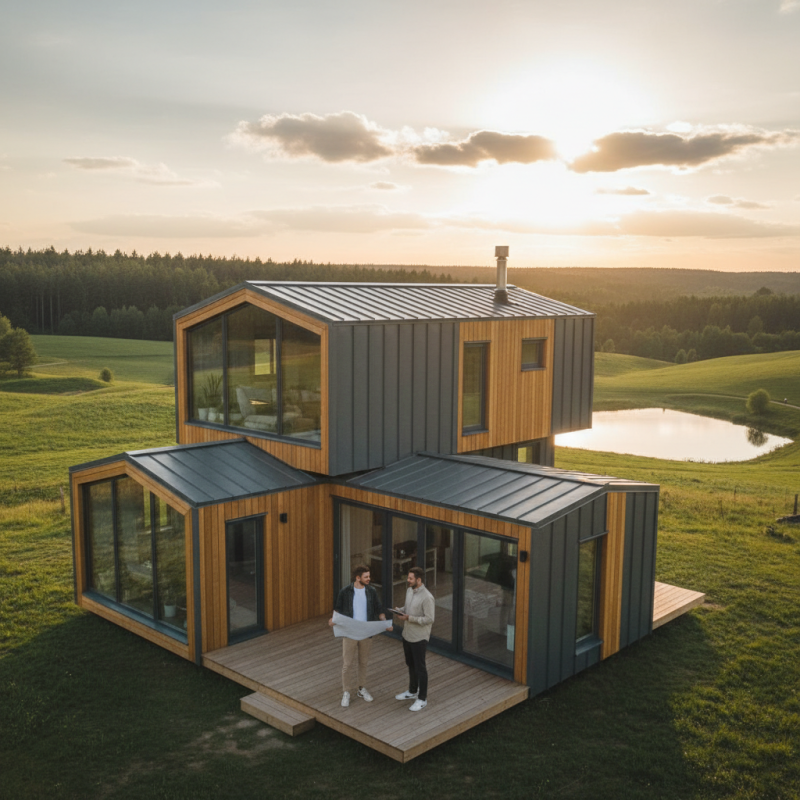
Modular homes are an innovative solution for modern living.
They are built in sections in a factory setting. This process speeds up construction and ensures consistent quality.
Homebuyers enjoy the flexibility of designing their space to fit their needs.
Modular homes can be customized in terms of layout, size, and features.
One of the significant benefits of modular homes is their energy efficiency.
Many of these homes use sustainable materials. This reduces their carbon footprint.
Additionally, modular homes can be assembled quickly, allowing families to move in sooner. However, it is crucial to consider local regulations and zoning laws.
Each region has different requirements that could impact your plans.
While modular homes offer many advantages, they may come with challenges. Some builders may lack experience in modular construction.
It's essential to choose reputable contractors. Research their previous projects and client reviews. Understanding the building process can also help set realistic expectations.
Buying a modular home requires careful thought and planning. Each decision can significantly affect your overall satisfaction.
Choosing the right modular home begins with understanding your space needs. It's essential to evaluate how much room you truly require. The National Association of Home Builders (NAHB) reports that the average size of a new home has increased to 2,400 square feet, reflecting a shift toward larger living spaces. However, this might not resonate with every family.
Consider your lifestyle and family size. A single person might thrive in a compact 500 to 800 square foot home. In contrast, a family of four could require 1,500 square feet or more. Unique features, such as open floor plans, can enhance the perception of space. According to the U.S. Census Bureau, homes with open layouts are often more desirable, tying functionality with aesthetics.
Don’t overlook future needs. Planning for growth is crucial. Your needs may evolve with time. Reflect on this: will kids need their own rooms? Will you require a home office space? Staying flexible in your design choices can help accommodate these changes. Aim to find a balance between current desires and potential future requirements. Sustainable choices, like energy efficiency, can also influence long-term satisfaction.
This chart illustrates the space requirements in square feet for modular homes based on the number of bedrooms. As the number of bedrooms increases, the space requirements also increase, providing an overview for prospective homebuyers to evaluate their needs.
Choosing the right modular home involves understanding your budget, design preferences, and essential features. Start with your budget. Determine how much you can afford, including the cost of land, utilities, and additional expenses. Sometimes, hidden costs arise, like site preparation or permits. This step helps prevent financial strain later.
Next, consider the design. Modular homes offer various styles, from contemporary to traditional. Visualize the aesthetics you desire. Think about your lifestyle needs. Do you need extra rooms for a growing family? Spacious kitchens for entertaining? Choosing the right layout can enhance your living experience.
Features play a crucial role too. Look for energy efficiency, durability, and customization options. Energy-efficient homes save on utility bills. Seek features that resonate with your priorities. Reflect on your long-term needs. You might realize you want flexibility in your space. Aim for homes that can adapt to changes in your life. This thoughtful approach will lead to a better choice.
When considering modular homes, the choice of manufacturers and builders plays a vital role in ensuring quality. A report from the Modular Home Builders Association states that more than 60% of modular homes have higher energy efficiency than traditional homes. This statistic highlights the importance of working with reputable builders who prioritize sustainable practices.
Quality assurance starts with research. Check for certifications from recognized organizations. Many builders obtain certifications that ensure compliance with industry standards. Looking for reviews from previous customers can also offer insights. Statistics show that over 70% of homebuyers rely on online reviews when choosing a builder. This feedback can reveal patterns in construction quality and customer service that impact long-term satisfaction.
Consider the warranty and service options provided. Some builders offer warranties for 10 years or more. However, potential homebuyers should also be wary of builders who provide minimal support post-construction. Engaging with builders early in the process allows future homeowners to voice concerns and customize plans. This proactive approach fosters a partnership that enhances the likelihood of a successful modular home experience.
When considering modular homes, understanding local regulations and zoning laws is crucial. Each municipality has unique codes that govern where you can place a modular home. According to a report from the Modular Home Builders Association, nearly 60% of homebuyers face issues related to zoning restrictions. These restrictions can limit your ability to build or modify your home, affecting everything from size to appearance.
Researching local ordinances is essential. Some areas may impose stricter regulations for modular homes compared to traditional homes. Engaging with local planning departments can provide clarity. Furthermore, many zoning laws require homes to adhere to specific aesthetic standards. This could mean additional costs to customize your home to fit within those guidelines. Additionally, a recent study indicated that 35% of modular homeowners reported feeling misinformed about local requirements prior to their purchase.
Don't underestimate the importance of community feedback. Engaging with neighbors can help you gauge if your modular home will fit within the neighborhood's character. Understanding these nuances can prevent future conflicts or financial setbacks. Always stay informed and adaptable while navigating the complexities of zoning laws.
: Start by evaluating your lifestyle and family size. A compact home may suit singles, while families need more space.
The average new home is around 2,400 square feet. This may not fit everyone's needs.
Families grow and change. Kids may need rooms, or you might desire an office.
Open layouts enhance perceived space. They combine functionality with aesthetics, which many find appealing.
Local regulations determine where you can place a home and can affect size and style.
Zoning restrictions vary by area and can limit modifications. Research is crucial before purchasing.
Engage with local planning departments for clarity. Understand aesthetic requirements to avoid additional costs.
Neighbors can provide insight on fitting in. It can help you avoid conflicts with your home’s style.
Around 35% of modular homeowners reported feeling misinformed before their purchase. Stay informed.
Yes, energy efficiency and sustainability can enhance long-term comfort and satisfaction in your home.
Choosing the best modular homes for your needs involves a comprehensive understanding of their definition and the various benefits they offer. Modular homes are prefabricated structures that provide flexibility in design and efficient use of space. When evaluating your options, it’s crucial to consider your specific space requirements and assess key factors such as budget, preferred design, and essential features that will enhance your living experience.
Additionally, thorough research on manufacturers and builders is vital to ensure quality assurance in the construction process. It’s equally important to navigate local regulations and zoning laws to secure necessary permits and ensure compliance with the community standards. By taking these steps, you can make an informed decision that leads to a satisfactory modular home experience tailored to your unique needs.

HUA KE HOUSE