When considering a Prefabricated House, you often face many choices. These homes offer efficient construction and flexibility. However, selecting the right one can be daunting. Each model has its unique features and benefits. It's essential to understand what suits your needs.
Different designs appeal to various lifestyles. Some people prioritize sustainability, while others focus on aesthetics or functionality. It’s crucial to reflect on your personal preferences. Think deeply about how much space you need. Consider the layout that fits your daily life.
Moreover, not every Prefabricated House is built the same. Quality can vary significantly across manufacturers. Take the time to research reputable companies. Investigate their track records and customer reviews. Understanding these elements can lead you to a home that you will cherish for years.
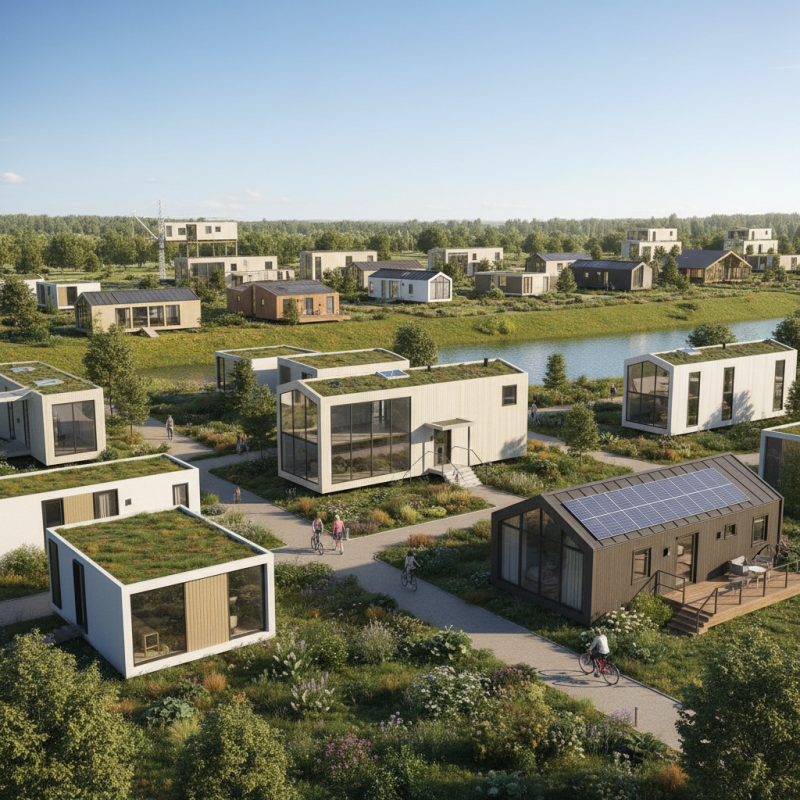
Prefabricated houses have gained popularity due to their innovative designs and efficiency. They come in various types and styles, appealing to different needs and preferences. For instance, modular homes are constructed in sections and assembled on-site. According to a report by the Modular Building Institute, modular construction can be up to 30% faster than traditional building methods. This efficiency can significantly reduce labor costs and time to completion.
Another popular style is panelized homes. These structures use pre-made wall panels and are assembled much like puzzles. The National Association of Home Builders claims that this method allows for precise engineering, often reducing waste. While prefabricated houses can be cost-effective, potential buyers should consider the trade-offs. Not every design fits every location or climate. Some pre-built styles may lack the customizability found in traditional homes.
Moreover, transport logistics can pose challenges. Buyers may face limitations on structure size and transport routes. It’s essential to research local building codes and restrictions. Engaging with experienced contractors can help navigate these complexities. Prefabricated homes offer exciting possibilities, but understanding the nuances is crucial for a successful investment.
When selecting a prefabricated house, energy efficiency is paramount. It's essential to evaluate several key metrics that indicate how an energy-efficient home performs. Look into the insulation quality. The R-value measures thermal resistance. Higher numbers mean better insulation, which keeps your home comfortable.
Consider energy consumption. Houses with energy-efficient appliances consume less power. Check for Energy Star ratings on appliances and building materials. They indicate lower energy usage and can lead to significant savings over time. Windows are another critical factor. Double or triple glazing can reduce heat loss substantially.
Don't overlook renewable energy options. Solar panels and geothermal systems can enhance sustainability. However, not every home can easily accommodate these systems. Assess the roof space and local climate conditions before deciding. Reflect on your energy needs. What works for one family may not suit another. Understanding your lifestyle is crucial in this decision-making process.
When budgeting for a prefabricated house, it's essential to understand the costs involved. The average cost per square foot for a prefabricated home ranges from $100 to $200. This variance depends on location, design, and materials used. For instance, a basic design in a rural area could cost closer to $100, while a modern design in an urban setting may exceed $150.
It's also important to account for additional expenses. Land acquisition, site preparation, and utility connections can add tens of thousands to your budget. A recent report by the National Association of Home Builders indicates that site-related expenses can represent up to 25% of the total project cost. This finding emphasizes the need for thorough financial planning beyond the home’s initial purchase price.
Moreover, keep in mind the ongoing costs. These include maintenance, insurance, and property taxes. An analysis by the U.S. Census Bureau highlights that homeowners should budget about 1% of their home’s value annually for maintenance. This can accumulate significantly over time. Therefore, a realistic budget must reflect both upfront and long-term investments in a prefabricated home.
| Feature | Estimated Cost ($) | Time to Build (months) | Sizes Available (sq ft) |
|---|---|---|---|
| Basic Model | 50,000 | 3-6 | 600 - 800 |
| Standard Model | 80,000 | 6-9 | 900 - 1,200 |
| Premium Model | 120,000 | 9-12 | 1,300 - 1,600 |
| Luxury Model | 200,000 | 12-15 | 1,800 - 2,200 |
When considering a prefabricated home, legal aspects should guide your decision. Understanding zoning laws is crucial. These laws can dictate where you can place your home. Different regions may have specific restrictions. Some areas may restrict mobile homes, while others allow them. Always do your homework on local regulations.
Building codes are equally important. These codes ensure your home meets safety and structural standards. A prefabricated home must comply with these requirements. In some areas, you may need special permits. Failing to comply can lead to fines or removal of your home.
Tips for navigating these legalities: consult local zoning boards early in your process. Connect with an expert in construction law for guidance. Research your area's building codes extensively. Doing this can save you time and headaches down the road. Always keep documentation organized; it proves important during inspections. Avoid skipping these steps as they establish a strong foundation for your new home.
When choosing a prefabricated house, sustainability is vital. Eco-friendly materials play a crucial role in this process. Think about sustainable wood sources and recycled metals. These materials minimize waste and lower environmental impact. It’s essential to secure certifications that validate these sustainable practices. Not all prefabs meet the same standards, so thorough research is necessary.
Construction practices also influence sustainability. Modular building reduces onsite labor and waste. Prefabricated homes often employ energy-efficient systems, such as solar panels. Consider how these features can benefit your long-term energy costs. Yet, some may overlook the sourcing of materials, which can contradict their eco-friendly intentions. Striking a balance between aesthetics and sustainability may pose challenges.
Remember, local regulations can affect your choices too. Building codes vary, influencing the materials and methods you can use. This aspect may lead to unexpected limitations. While the idea of a perfect prefabricated home is appealing, there is always room for improvement. Engaging in conversations with builders about sustainability practices can shed light on viable options.
: The average cost ranges from $100 to $200 per square foot. This varies based on location, design, and materials.
Additional expenses include land acquisition, site preparation, and utility connections. They can add tens of thousands to your budget.
Site-related expenses can represent up to 25% of the total project cost. This highlights the need for thorough financial planning.
Homeowners should budget for maintenance, insurance, and property taxes. It's wise to set aside about 1% of the home's value annually for maintenance.
Zoning laws dictate where you can place your home. Different regions have different restrictions that must be understood before proceeding.
Building codes ensure safety and structural standards are met. Compliance is necessary to avoid fines or removal of your home.
Consult local zoning boards early and connect with construction law experts. Comprehensive research saves time and avoids complications.
Organized documentation is crucial during inspections. It proves compliance with regulations and helps avoid potential issues.
Failing to comply may result in fines or even removal of your home. It's essential to understand and follow local regulations.
A common mistake is not accounting for long-term costs. A realistic budget must reflect both upfront and ongoing investments.
Choosing the best prefabricated house requires a comprehensive understanding of the various types and styles available in the market. Potential homeowners should evaluate energy efficiency by considering key metrics that impact the overall performance of these homes. Conducting a thorough cost analysis is essential for budgeting effectively, as investing in a prefabricated house can vary widely in expense.
It's also crucial to navigate the legal landscape by being familiar with zoning laws and building codes associated with prefabricated homes. Finally, sustainability plays a significant role in the decision-making process; selecting eco-friendly materials and practices can enhance the environmental impact of your new home. By considering these factors, you can make an informed choice that aligns with your needs and values.

HUA KE HOUSE