How to Choose the Best Tiny House for Your Needs?

Time:2026-08-13 Author:Mason
0%

Choosing the right Tiny House for your needs can be a rewarding yet challenging journey. Tiny Houses have become popular due to their affordability and minimalist lifestyle. However, they require careful consideration. Understanding your lifestyle and space requirements is crucial before making a decision.

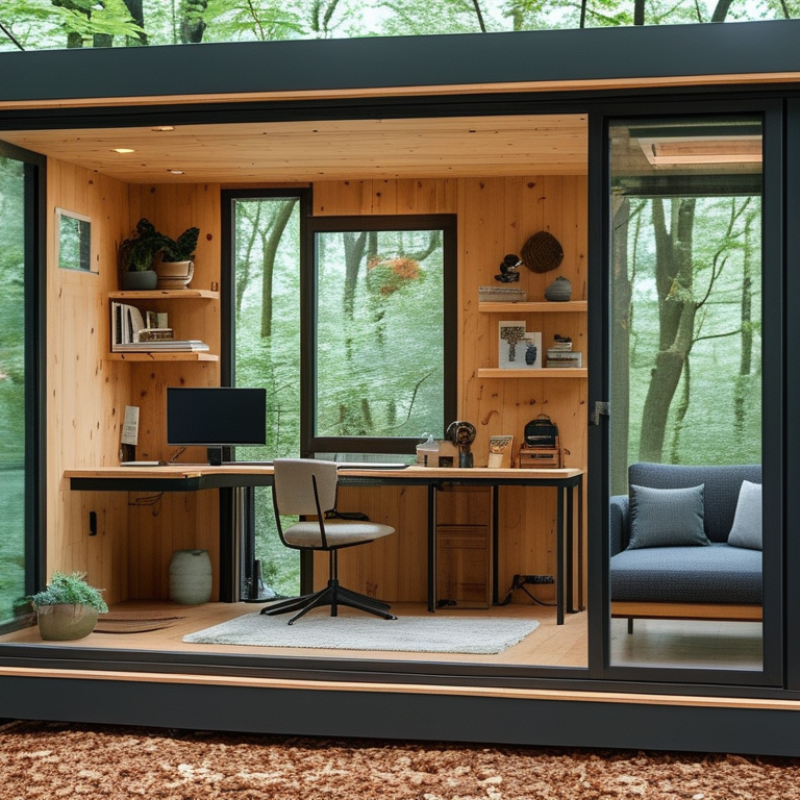
Think about your daily activities. Will you need a dedicated workspace? How many people will live in the Tiny House? A well-planned layout can enhance comfort and functionality. Explore various designs and features that resonate with your personal style. Keep in mind that not every option will suit your needs.

Research is essential. Seek advice from Tiny House experts and those who share their experiences. Learning from others can help you avoid common pitfalls. Read reviews and ask for recommendations. Remember, the perfect Tiny House may not exist, but with thoughtful planning, you can find one that feels just right.
How to Choose the Best Tiny House for Your Needs?

Understanding the Definition and Types of Tiny Houses in 2023

In 2023, the tiny house movement continues to gain traction. Understanding different types of tiny houses is crucial for making informed choices. Generally, tiny houses can be categorized into three types: mobile, stationary, and container homes. Each option offers unique benefits and challenges. A recent industry report indicates that 68% of tiny house owners prefer mobile options, valuing flexibility and mobility.

Choosing the right type depends on your lifestyle needs. Mobile tiny houses offer the freedom to relocate. However, they may need more maintenance due to wear and tear from transport. On the other hand, stationary tiny houses are usually built on a foundation, providing stability. Still, they come with zoning challenges. By contrast, container homes are increasingly popular for their durability but often require significant modification for comfortable living.

Tip: Consider your local zoning laws before making a purchase. This will save you unexpected costs and headaches.

When selecting the best tiny house, keep your priorities in mind. Think about how much space you really need. Many owners find their initial layout inadequate, leading to regrets later. Decide whether you prefer an open concept or separate spaces for privacy. Homes that seem perfect might not suit your long-term needs. This realization can guide more thoughtful decisions.

Evaluating Your Lifestyle Needs: Space, Mobility, and Sustainability

Choosing a tiny house requires a deep understanding of your lifestyle needs. Space is a critical factor. Consider how much room you actually need. Are you working from home, or do you prefer a minimalist living arrangement? Think about your daily activities. Do you need a designated workspace or a small outdoor area? These details will influence your choice significantly.

Mobility is another key element. Will you be moving frequently? If so, select a model that is easy to transport. You might want a lightweight option with a sturdy design for road trips. However, consider the trade-offs. More mobility might mean less space or storage. Sustainability also plays a role in your decision. Choose materials that are eco-friendly. Look for energy-efficient appliances to minimize your carbon footprint. Remember, it’s about finding a balance that suits your lifestyle, both now and in the future. This journey may reveal your values and preferences, leading you to reconsider your initial choices.

Analyzing Cost Factors: Initial Investment and Long-Term Savings

When considering a tiny house, cost factors play a crucial role. The initial investment often includes the purchase price, utilities, and land costs. It's essential to evaluate local building codes and zoning laws. These can greatly affect your budget and options. You might find that some areas have expensive land, driving up total costs significantly.


Long-term savings should also be considered. Tiny houses typically require less energy for heating and cooling. This can lead to reduced utility bills over time. Maintenance costs are usually lower as well. However, unexpected repairs can arise. You may face challenges with plumbing or electrical systems that can strain budgets.


Ultimately, weighing initial costs against potential savings is vital. Reflecting on your lifestyle needs is equally important. Will a smaller space suit your future? A tiny house can be a great investment, but it requires thoughtful consideration of all these factors.

Selecting Location Considerations: Zoning Laws and Community Guidelines

When selecting a tiny house, zoning laws and community guidelines are crucial. Many areas have strict regulations. These laws can affect everything from size to where you can park. Some neighborhoods may only permit certain architectural styles. Understanding these aspects ensures you won’t face unexpected challenges.

Tips: Start by researching local zoning requirements. Visit your city’s planning department website for detailed information. Engage with local forums to learn from others’ experiences.

Keep in mind that community guidelines may also include rules on aesthetics or landscaping. This can influence how your tiny house looks. If your home doesn't fit the neighborhood vibe, you may feel unwelcome. Remember, a tiny house is a lifestyle choice that should align with your values and community norms.

Tips: Attend community meetings if available. Building relationships with neighbors can help ease potential tensions. An upfront conversation about your plans could foster understanding.

Location Considerations for Tiny Houses

Choosing Essential Features: Design, Utilities, and Space Optimization

When selecting a tiny house, essential features matter greatly. Design is not just about aesthetics. It must support functionality. Consider layouts that optimize space. Open floor plans can create a sense of spaciousness. Multi-functional furniture is another great addition. Look for tables that fold or beds that convert. These choices can significantly enhance usability.

Utilities are crucial in a tiny home. Assess your needs for plumbing and electrical systems. A reliable water source is important, as is efficient heating. Solar panels could be a practical addition for energy needs. Remember to ensure proper insulation to maintain comfort year-round.

Tips: Always prioritize natural light in your design. Large windows can make a small space feel larger. Think about your lifestyle. Do you entertain often? Ensure there's enough seating. Reflect on your storage needs, too. Clutter can quickly make a tiny house feel cramped. Choose a design that encourages minimalism while meeting your daily requirements.

FAQS

: What are the main types of tiny houses?

: Tiny houses are typically mobile, stationary, or container homes. Each type has its own unique benefits and challenges.

Why do many tiny house owners prefer mobile options?

About 68% of owners value mobility. Mobile houses allow for freedom to relocate easily.

What should I consider when choosing a tiny house?

Think about your lifestyle needs and space requirements. Consider whether you want an open concept or separate spaces.

What are zoning laws, and why do they matter?

Zoning laws dictate where and how tiny houses can be built or parked. They can impact size and architectural style.

How can I research local zoning requirements?

Visit your city’s planning department website. Engage with local forums to learn from others’ experiences.

What essential features should I prioritize in a tiny house?

Focus on space optimization, utility needs, and functional design. Multi-functional furniture can enhance usability.

Why is natural light important in a tiny house?

Large windows create a sense of spaciousness. They can make a small space feel more open and inviting.

What role do community guidelines play in tiny house living?

Community guidelines may affect aesthetics and landscaping rules. It's important to align your tiny house with local norms.

How can I avoid feeling cramped in a tiny house?

Strategize your storage and décor. Choose a design that encourages minimalism and fosters a sense of openness.

Can tiny house layouts lead to regrets?

Yes, many owners regret initial layouts that do not meet long-term needs. Reflect on functionality before finalizing your design.

Conclusion

When considering how to choose the best tiny house for your needs, it is essential to first understand the various definitions and types of tiny houses available in 2023. Each type caters to different lifestyles, so evaluating your personal space, mobility, and sustainability requirements is crucial. Moreover, analyzing cost factors, including initial investments and long-term savings, can help you make an informed decision.

Additionally, selecting a suitable location is vital, as zoning laws and community guidelines can significantly impact your tiny house experience. Lastly, choose essential features that optimize space, design, and utilities to enhance your living environment. By carefully assessing these aspects, you can find the perfect tiny house that aligns with your lifestyle and values.


Mason

Mason

Mason is a seasoned marketing professional with a deep expertise in the company's offerings and a passion for driving brand awareness. With a strong background in digital marketing strategies, he has an innate ability to connect with diverse audiences and effectively communicate product benefits.......