Investing in a Granny Tiny House could be a game changer. These compact homes provide unique opportunities for homeowners and investors alike. With their rise in popularity, many are discovering the financial benefits and lifestyle advantages they offer.
A Granny Tiny House is perfect for various uses. It can serve as a guest house, a rental property, or a workspace. This flexibility makes it appealing in today’s housing market. The appeal lies not just in the return on investment but also in the personal satisfaction they bring.
However, challenges exist. Navigating zoning laws can be tricky. Maintenance must be considered in the budget. Reflecting on these aspects is essential. A Granny Tiny House can lead to a rewarding investment, but it is crucial to weigh all factors.
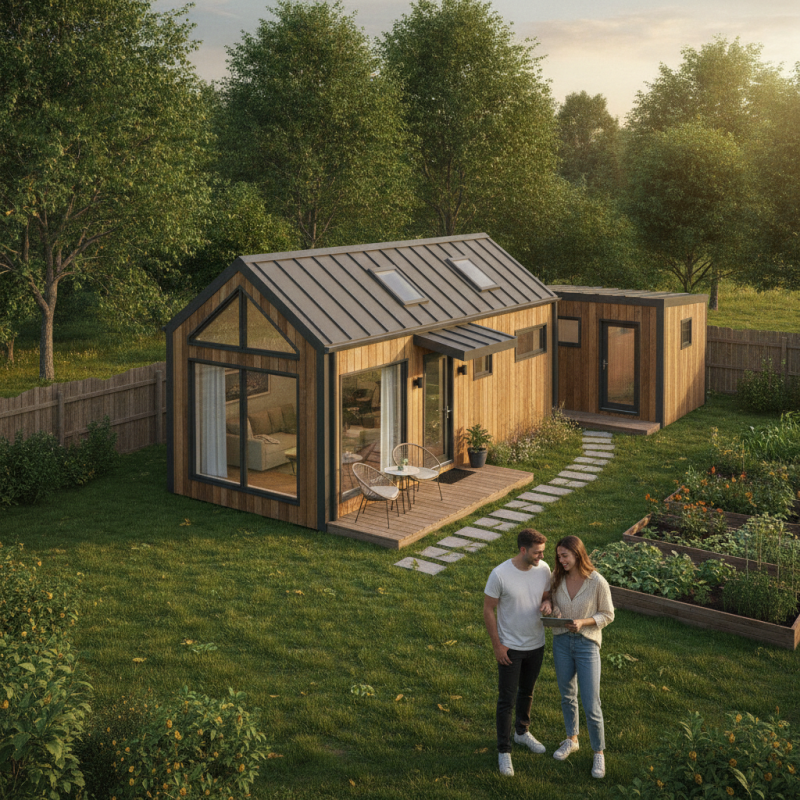
Investing in a granny tiny house offers a unique opportunity for those looking to maximize returns. A recent study by the Harvard Joint Center for Housing Studies reveals that accessory dwelling units (ADUs) can increase property values by up to 30%. This statistic illustrates the potential for financial growth when investing in such properties.
Granny tiny houses are not just about aesthetics. They provide additional income possibilities through rental opportunities. According to the American Institute of Architects, the demand for small rental units has surged by 17% over the past three years. This growing interest highlights the market's shift toward compact living arrangements. As cities become denser, the need for unique housing solutions will continue to rise.
Tip: Research local zoning laws before construction. Regulations can impact your investment potential. In some areas, permits for ADUs are difficult to obtain.
Consider the ecological advantages as well. Tiny houses use fewer resources, creating less waste. The National Association of Realtors reports that eco-friendly homes attract buyers willing to pay a premium.
Tip: Integrate sustainable materials in your build. This can improve your home’s market appeal while reducing environmental impact. Balancing aesthetics and functionality is key in this investment. While there are rewards, consider potential challenges.
Investing in granny tiny houses could reshape your financial portfolio, but it's important to evaluate risks. Assess potential zoning issues and fluctuating property values carefully.
Investing in granny tiny houses can yield significant financial benefits. The global tiny house market is projected to grow by 7.4% annually, driven by affordability and sustainability. With an average price of $30,000 to $50,000, these homes offer an affordable option for renters. In comparison, traditional rental properties often require a higher initial investment.
The appeal doesn't stop at low costs. Tiny houses can command high rental yields. Data shows that rental returns can reach up to 20% in high-demand areas. Homeowners can capitalize on this trend by converting existing properties into granny flats. This not only increases property value but also provides additional income streams. Moreover, with the rise of remote work, more people seek affordable housing options close to urban areas.
Challenges do exist, such as zoning restrictions and financing difficulties. However, the benefits often outweigh these considerations. Many homeowners report satisfaction with their investments. Tiny houses encourage a minimalist lifestyle, reducing maintenance costs and utility bills. While there are hurdles, the opportunity for financial growth remains strong in this evolving market.
The trend of granny flats and tiny houses is growing rapidly. More people are looking for affordable housing solutions. These compact homes provide flexibility and can serve various purposes. They can be guest accommodations, rental units, or even personal retreats. The increasing cost of traditional housing is pushing many toward these options.
Investing in a granny tiny house can be smart. They are generally less expensive to build and maintain. Plus, their smaller size means lower utility costs. However, potential buyers should reflect on zoning laws and location. Not every area allows tiny homes or granny flats. Research local regulations before moving forward.
Tips: Think about your target market. Who will use the space? Families, students, or retirees? Each group has different needs. Also, consider design versatility. A well-designed tiny house can be customized to maximize functionality. Don't forget about aesthetics. You want the space to feel inviting. Balancing efficiency with comfort is key. Make sure to plan carefully to avoid future challenges.
Tiny houses have gained popularity as lucrative investment options. Their lower initial costs often lead to higher returns compared to traditional properties. A recent industry report from the National Association of Realtors indicates that median home prices in the United States have reached over $350,000. In contrast, the average price of a tiny house is around $60,000. This significant price difference can allow for quicker financial recovery and reduced financial strain.
Investing in tiny houses often results in lower maintenance and utility costs, bringing added savings. While the average utility bill for a traditional house can exceed $200 per month, tiny homes can witness bills as low as $50. However, potential investors should consider their local regulations. Zoning laws may restrict where tiny houses can be placed. Failure to comply can derail an investment.
Tips: Research local zoning regulations before making a purchase. Ensure your investment meets legal requirements. Evaluate potential rental income as well. Tiny houses can make for attractive short-term rental options. They often yield higher per-night rental rates due to their novelty.
When considering a granny tiny house as an investment, regulations and zoning are critical factors. Research local zoning ordinances first. Not all areas allow granny flats or tiny homes. Some may have specific size limits, height restrictions, or require additional permits. It’s essential to understand these rules before making a purchase.
Tips: Consult with local authorities. They can provide clarity on current regulations. Additionally, consider the impact on property taxes and rental income. This can significantly affect your investment's profitability.
Many people overlook the nuances of building codes. Even slight deviations can lead to penalties. Understanding these codes helps prevent costly mistakes. Always review plans thoroughly. Hiring a knowledgeable architect may be beneficial. They can navigate complex regulations effectively.
Creating a granny tiny house can also affect the neighborhood dynamics. Some neighbors may not appreciate a new structure. Community sentiment can influence property value. Engaging with your community can ease tensions. Open discussions often lead to shared benefits. A collaborative approach is often overlooked but incredibly useful.
| Aspect | Description | Importance |
|---|---|---|
| Zoning Laws | Local regulations that dictate where tiny houses can be built. | Essential to ensure legal compliance and avoid fines. |
| Building Codes | Standards for construction safety and livability. | Compliance guarantees safety and quality of the structure. |
| Permitting Process | The procedure needed to obtain the necessary permissions for building. | Critical for the legal establishment of the tiny house. |
| Utility Access | Availability of water, electricity, and sewage systems. | Necessary for comfortable living conditions. |
| Community Regulations | Rules governing interactions and placements within neighborhoods. | Ensures harmonious living in residential areas. |
: Granny tiny houses can boost property values by up to 30%. They also offer rental income opportunities.
The demand for small rental units rose by 17% in the last three years, reflecting a market shift.
Study local zoning laws and regulations. Permits for tiny homes can be difficult to obtain in some areas.
Eco-friendly houses attract buyers who are willing to pay more. They use fewer resources and create less waste.
Consider your target market. Families, students, and retirees have different requirements for functionality and comfort.
Reflect on zoning issues and fluctuating property values. Local regulations can limit what you can build.
Neighbors may resist new structures, affecting property value. Engaging with them can create positive rapport.
Integrate sustainable materials into your design. This enhances market appeal and reduces ecological impact.
Overlooking building codes can lead to penalties and costly mistakes. Always review plans carefully before construction.
Focus on design versatility and create an inviting space. Efficiency should complement comfort and usability.
The article "Why Choose a Granny Tiny House for Your Next Investment?" explores the various advantages of investing in Granny Tiny Houses as an emerging property trend. These compact living spaces not only provide a unique housing solution but also serve as a smart investment opportunity due to their affordability and growing market demand. As more individuals and families seek alternative living arrangements, the financial benefits are becoming increasingly evident, particularly when comparing returns on investment with traditional properties.
Furthermore, the article highlights important market trends showcasing a surge in interest for Granny Flat and Tiny House designs, indicating a shift in consumer preferences. It also addresses the necessary regulations and zoning considerations for potential investors, ensuring that they are well-informed about the legal aspects of their investment. Overall, a Granny Tiny House represents a promising venture for investors looking to tap into a thriving market while offering sustainable housing solutions.

HUA KE HOUSE