China Best Prefabricated Homes for Affordable Living Solutions?

Time:2026-05-07 Author:Oliver
0%

The rise of Prefabricated Homes in China presents a significant opportunity for affordable living solutions. According to a recent report by the China Prefab Building Association, the prefab housing market is projected to grow by 20% annually, reflecting increased demand for cost-effective construction methods. This trend reveals a pivotal shift in how we view housing in urban areas, where affordability is critical.

Expert in the field, Dr. Li Wei, states, “Prefabricated Homes are not just cost-effective; they also align with sustainable practices.” This perspective highlights how these homes address not only financial constraints but also environmental concerns. Prefabricated Homes are built in controlled environments, resulting in less waste and quicker assembly on-site. This method can significantly reduce construction timelines and costs.

However, the growing popularity of Prefabricated Homes is not without challenges. Quality control and design limitations often raise questions among potential homeowners. Many fear that prefabricated structures lack the aesthetic appeal of traditional homes. This apprehension underscores the need for ongoing innovation in the industry. Addressing these concerns is essential for broadening acceptance of Prefabricated Homes in the broader market.
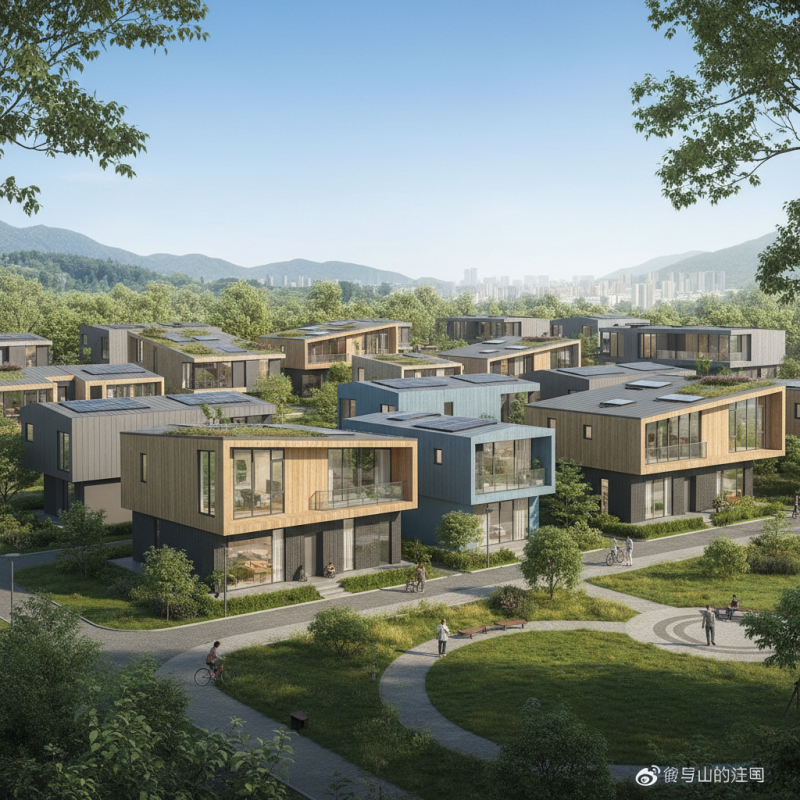
China Best Prefabricated Homes for Affordable Living Solutions?

Overview of Prefabricated Homes in China

Prefabricated homes have gained significant traction in China, providing innovative and cost-effective living solutions. These homes are constructed off-site, leading to reduced construction times and labor costs. A variety of designs are available, catering to different tastes and budgets. Buyers often appreciate the quick installation process. However, the quality of materials can vary, raising concerns. Not all prefabricated homes meet high durability standards, which is important for long-term living.


China's urban population continues to grow. As demand for housing increases, prefabricated homes offer a practical alternative. Many cities face housing shortages, making affordable options critical. Yet, the perception of prefabricated homes may still carry a stigma. Some people associate them with low quality or temporary structures, which isn't always the case. Education and awareness around modern prefabrication techniques can help dispel these myths.


Sustainability is another aspect worth considering. Prefabricated homes often use eco-friendly materials, which is a plus for environmentally-conscious buyers. However, questions about their recyclability and long-term environmental impact remain. The balance between affordability and sustainability might not always be well understood. A thoughtful approach is needed to optimize benefits while addressing concerns.

Advantages of Choosing Prefabricated Homes for Affordable Living

Prefabricated homes have gained popularity in China as affordable living solutions. These homes are built in factories and transported to their sites, which often speeds up construction. This efficiency can significantly reduce labor costs. Additionally, these homes are customizable, allowing homeowners to design their space according to personal needs without breaking the bank.

One major advantage is energy efficiency. Many prefabricated homes use sustainable materials and designs that minimize energy consumption. Choosing energy-efficient options can lead to lower utility bills. However, it’s crucial to ensure that the materials used are durable. Poor quality can lead to maintenance issues.

Tips for potential buyers include researching local regulations and zoning laws. Prefabricated homes must comply with specific codes. Engaging with experienced professionals can help navigate these complexities. Furthermore, seek multiple quotes before making a decision. Comparing costs and features ensures you choose the best option for your budget and lifestyle. Always assess the quality and reliability of the manufacturer as this impacts the home's longevity.

Key Players in China's Prefabricated Home Industry

The prefabricated home industry in China has gained traction due to rising housing demands. Key players in this market are adapting to consumer needs and shifting economic landscapes. They design and manufacture homes that are efficient and affordable. Many of these companies leverage advanced technology for construction and modular designs.

However, challenges remain. Some builders face quality control issues and supply chain disruptions. There is often a disparity in customer expectations and actual product delivery. On-site assembly and installation can lead to delays if not managed well. The industry is still learning from these experiences. Companies are exploring sustainable materials and innovative designs to improve their offerings.

In this evolving landscape, collaboration among stakeholders is crucial. Manufacturers, suppliers, and local governments must work together. Standards must be established to enhance safety and reduce costs. Building consumer trust is paramount as the industry grows. When all players align, the potential for affordable living solutions in China expands significantly.

China's Prefabricated Homes: Market Share by Segment (2023)

Design and Customization Options for Prefabricated Homes

The landscape of prefabricated homes in China is rapidly evolving. With a focus on design and customization, these homes offer flexibility for diverse lifestyles. Recent studies show that over 60% of homeowners prioritize personalization in their living spaces. Customizable features can range from floor plans to material choices, addressing various aesthetic preferences and functional needs.

However, while customization enhances appeal, it can also complicate the building process. Not every manufacturer can accommodate unique requests, raising concerns about project timelines and costs. According to industry analysts, miscommunications in customization can lead to delays in completion. Prefabricated homes come with the promise of speed, yet when design elements become intricate, these timelines can stretch unexpectedly.

Moreover, recent reports indicate a growing demand for sustainable materials in the construction of prefabricated homes. Around 45% of prospective homeowners express interest in environmentally friendly options. Yet, achieving this balance between design flexibility and sustainability remains a challenge. Some builders struggle to source eco-friendly materials without inflating costs. The future of affordable living solutions hinges on addressing these complexities, ensuring that customization contributes positively to the overall efficiency of prefabricated housing.

China Best Prefabricated Homes for Affordable Living Solutions

Model Name Size (sq ft) Price (USD) Customization Options Delivery Time (weeks)
Compact Home 400 $15,000 Basic layout, color 6
Family Living 800 $30,000 Layout, interior design 10
Eco-Friendly Model 600 $25,000 Sustainable materials, design 8
Luxury Cabin 1,200 $50,000 High-end finishes, layout 12
Tiny House 200 $10,000 Basic design, mobility option 5

Future Trends in Prefabricated Housing Solutions in China

The future of prefabricated housing in China is both promising and complex. With rapid urbanization, more residents seek affordable living solutions. Prefabricated homes can provide quick construction and lower costs. However, quality assurance remains a significant concern. Many builders face challenges in ensuring materials are durable and environmentally friendly.

Innovation plays a critical role in this sector. Emerging technologies, such as 3D printing and sustainable materials, are changing the landscape. These advancements may enhance efficiency and reduce waste. Yet, adoption rates vary across regions. Local policies and consumer perceptions are vital in shaping these trends. Some communities are still skeptical of prefabricated designs.

Design flexibility is another essential factor. Homebuyers increasingly desire personalized spaces. Standardization can limit options, but some manufacturers are exploring modular designs. This adaptability can attract a broader audience. Nonetheless, balancing cost, quality, and aesthetics remains a work in progress. Engaging with consumers and addressing their concerns is crucial for future success.

FAQS

: What are prefabricated homes?

: Prefabricated homes are built off-site, offering quick construction and cost savings. They come in various designs for different budgets.

How fast can prefabricated homes be installed?

Installation is typically quick. Buyers appreciate the speed, but quality can vary between manufacturers.

What are the sustainability aspects of prefabricated homes?

These homes often use eco-friendly materials. However, long-term recyclability remains a concern for many buyers.

Can I customize a prefabricated home?

Yes, there are customization options available. Popular features include unique floor plans and material choices.

Are there any concerns with prefabricated home quality?

Yes, not all prefabricated homes meet durability standards. This raises questions about long-term living comfort.

What is the perception of prefabricated homes in China?

Some people view them as low-quality structures. Education on modern techniques can help change these misconceptions.

How does urbanization impact the demand for prefabricated homes?

Rapid urbanization leads to greater housing demand, making affordable options more critical for city dwellers.

What challenges do manufacturers face in customization?

Customization can complicate projects, leading to delays and potential cost increases. Miscommunications are common.

How are emerging technologies influencing prefabricated homes?

Technologies like 3D printing can improve efficiency and reduce waste, but adoption rates vary regionally.

What is the future outlook for prefabricated housing in China?

The sector is promising yet complex. Balancing cost, quality, and consumer preferences is an ongoing challenge.

Conclusion

Prefabricated homes have emerged as a viable solution for affordable living in China, driven by the need for cost-effective housing options. These homes offer several advantages, including reduced construction time and lower costs, making them an attractive choice for many. The prefabricated home industry in China features a variety of key players who contribute to the growth and development of this sector, catering to the increasing demand for sustainable and efficient housing solutions.

Design and customization options have further enhanced the appeal of prefabricated homes, allowing homeowners to create spaces that meet their specific needs and aesthetic preferences. As the industry evolves, future trends indicate a shift towards more innovative designs, eco-friendly materials, and advanced technologies, solidifying the role of prefabricated homes in addressing housing challenges in China.


Oliver

Oliver

Oliver is a seasoned marketing professional with a wealth of expertise in driving brand awareness and engagement. With a deep understanding of our company's product offerings, he consistently delivers high-quality content that enriches our professional blog. His insights not only shed light on......