In recent years, the concept of the "Space Capsule Tiny House" has gained significant traction among minimalists and eco-conscious individuals. A report from the Tiny House Society reveals that 68% of tiny house owners feel a stronger sense of community. These compact homes often emphasize sustainability, using recycled materials and energy-efficient designs. Many builders are turning to this model as housing affordability rises. Industry experts predict that the tiny home market will reach $5 billion by 2026.
Creating a Space Capsule Tiny House can seem daunting. However, this project allows for personal expression and innovative design. Understanding space utilization is crucial in these constructions. The average tiny house is about 500 square feet, demanding creative layouts. Testimonials from builders highlight the challenge of integrating comfort with minimalism. Attention to detail can prevent interior clutter and enhance functionality.
As you embark on this journey, remember: learning is part of the process. Building mistakes are common and can lead to valuable lessons. Embrace the imperfections along the way. The goal isn't just to construct a house but to create a livable space that reflects your values. The Space Capsule Tiny House can serve as a testament to thoughtful architecture and intentional living.
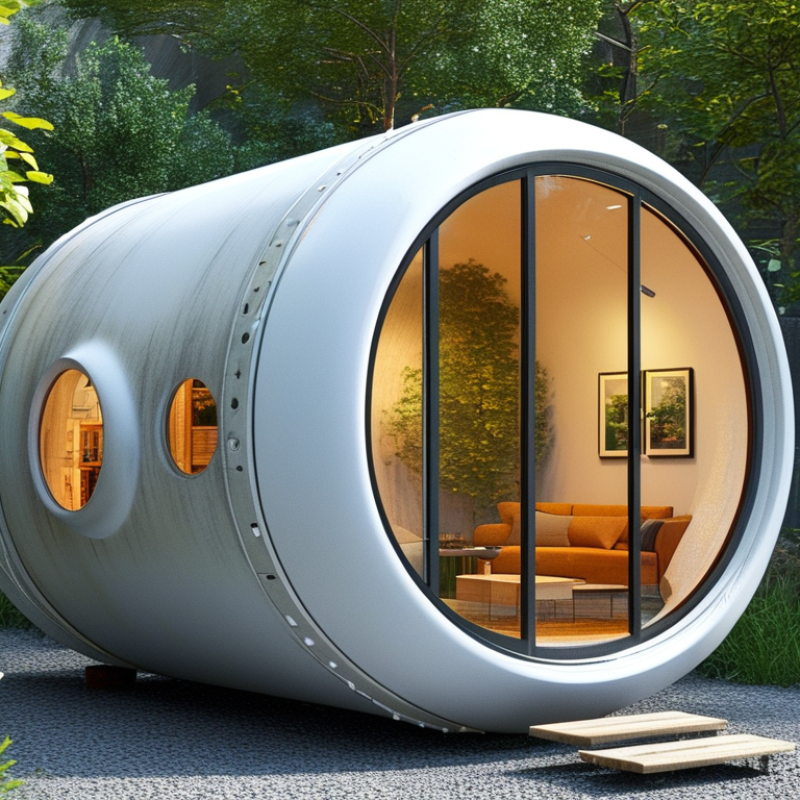
When designing a space capsule tiny house, consider the dimensions and layout carefully. The capsule shape offers a unique aesthetic but requires precise planning. Start with a clear vision of your space. Sketch different layouts to find the best use of limited space.
Tip: Use multi-functional furniture to maximize functionality. A foldable table or convertible sofa can save precious square footage. Remember, every inch matters in a tiny home.
Natural light is crucial in small spaces. Incorporate windows or skylights to create an open feel. Use lighter colors for walls to reflect light. This can enhance the sense of spaciousness.
Tip: Consider the climate where you’ll build. Insulation is essential for maintaining comfort. Pay attention to heating and cooling solutions. Solar panels could also be a smart addition for sustainability.
Building a tiny house isn't without challenges. You might face construction delays or design flaws. Embrace these hurdles as learning experiences. Keep a flexible mindset as you navigate the building process.
When building a space capsule tiny house, material selection is crucial. Your choice impacts
durability, insulation, and aesthetics.
Lightweight materials like aluminum or composite panels are popular. They are easy to handle and provide good insulation.
Wooden frames can also be effective, but they may require more maintenance over time.
Consider the climate where you live. In colder areas, materials with
high insulation efficiency are key. This ensures a comfortable living environment. Conversely, if you’re in a humid location,
moisture-resistant materials are necessary to prevent mold.
Tips: Always test your materials, especially for insulation performance.
Take time to assess everyday wear and tear. You might find some components do not hold up as expected.
Recycling old materials can also be beneficial. It’s cost-effective and eco-friendly. However, ensure they are still
structurally sound before using them in your build. Mistakes happen;
learning from them will improve your project.
Building a space capsule tiny house can be a rewarding experience. Start with the frame. Use plywood or metal for a sturdy base. Consider size for functionality and aesthetics. A simple circular design will enhance the capsule feel. Ensure stability by reinforcing all joints. This design can create a cozy but expansive atmosphere.
Next, focus on insulation and exterior. Use spray foam or insulated panels. This will help regulate temperature and reduce energy costs. Incorporate windows for natural light. Skylights can enhance the feeling of openness. However, be aware that cutting too many windows may weaken structural integrity. Balance is key.
Interior design is equally important. Create multi-functional furniture to maximize space. A fold-down table can provide dining and working areas. Take time to reflect on your choices. Some designs may not align with your functionality needs. Test different layouts before finalizing everything. Engaging in this process can lead to delightful surprises. With careful planning and creative adjustments, your tiny space capsule can truly become a unique home.
| Step | Description | Estimated Time | Materials Needed |
|---|---|---|---|
| 1 | Design the layout and floor plan of the capsule house. | 1 week | Graph paper, pencil |
| 2 | Acquire necessary permits and check local regulations. | 2 weeks | Application forms, fees |
| 3 | Construct the foundation of the tiny house. | 3 days | Concrete, rebar, gravel |
| 4 | Build the main structure using lightweight materials. | 1 week | Wood, metal framing, insulation |
| 5 | Install windows and doors for natural light and access. | 3 days | Windows, door frame, sealing tape |
| 6 | Finish the interior with walls, flooring, and furnishings. | 2 weeks | Drywall, flooring, furniture |
| 7 | Install plumbing and electrical systems. | 1 week | Pipes, wires, fixtures |
| 8 | Add finishing touches like paint and decor. | 1 week | Paint, accessories |
| 9 | Inspect the house for any issues and finalize setup. | 3 days | Inspection checklist |
Creating a space capsule tiny house focuses on sustainability and innovative design. Such projects often emphasize eco-friendly materials. According to the U.S. Green Building Council, incorporating sustainable features can reduce energy usage by up to 30%. This is crucial for tiny homes where space is limited.
Use recycled materials for structural elements. They not only minimize environmental impact but also add unique character. Consider solar panels to harness renewable energy. A study by the National Renewable Energy Laboratory suggests that a well-placed system can produce enough energy for daily needs. Integrating rainwater collection systems also enhances sustainability, helping maintain water efficiency.
While the allure of tiny living is strong, challenges exist. Space constraints can complicate the implementation of green technologies. Many homeowners find it tough to balance functionality and sustainability. As energy-efficient solutions evolve, builders must learn from past mistakes. Regular assessments can ensure designs remain effective and relevant.
Interior design plays a crucial role in the functionality of a space capsule tiny house. The unique shape and size of these homes require innovative solutions to maximize space and efficiency. According to the National Association of Home Builders (NAHB), over 70% of tiny house owners prioritize smart storage solutions. Utilizing multifunctional furniture and built-in shelves can help achieve this goal.
Natural light can significantly enhance the interior atmosphere. A report from the American Institute of Architects (AIA) highlights that homes with ample sunlight increase residents' well-being. Implementing large windows or skylights in a space capsule design can create an open and inviting feel. However, reflective materials should be used cautiously, as they may lead to overheating in warmer climates.
Making thoughtful choices in color palettes also impacts the overall ambiance. Light, neutral colors can make a small space feel larger. Yet, too much minimalism can lead to a sterile environment. Incorporating personal touches, like art or plants, adds character but requires balancing aesthetics with functionality. Using sustainable materials can further enhance the home’s appeal while minimizing environmental impact. Exploring these elements will help create a truly unique living experience.
: Lightweight materials like aluminum and composite panels work well. They offer easy handling and good insulation.
In colder climates, choose materials with high insulation. For humid areas, moisture-resistant materials are essential to prevent mold.
Recycling is cost-effective and eco-friendly. Ensure recycled materials are structurally sound before using them.
Use recycled materials and consider solar panels for energy needs. Rainwater collection systems also increase sustainability.
Space constraints can complicate sustainable implementations. Many struggle to balance functionality and efficiency.
Smart storage solutions are essential. Multi-functional furniture and built-in shelves maximize space and efficiency.
Large windows and skylights improve atmosphere and well-being, but be cautious of overheating in warm climates.
Light, neutral colors make spaces feel larger. However, too much minimalism can create a sterile vibe.
Personal elements like art and plants can add character. They must balance aesthetics with practical functionality.
Ignoring regular assessments on energy efficiency can lead to outdated designs that do not meet current needs.
Building a Space Capsule Tiny House is an exciting venture for beginners looking to create their own unique living space. This article outlines essential considerations in the design phase, including space optimization and ergonomic layouts that enhance functionality. Choosing the right materials is crucial for ensuring durability and efficiency, while a thorough step-by-step construction process guides readers through the building journey, from foundation to finishing touches.
Sustainability is also a key focus, with tips on integrating eco-friendly features such as solar energy and rainwater harvesting into the design. Finally, the article emphasizes the importance of interior design, showcasing ideas that maximize space and aesthetics, making the Space Capsule Tiny House not only a home but a stylish sanctuary that meets modern living demands.

HUA KE HOUSE