Discover the Best Portable House Options for Global Buyers

Time:2026-05-03 Author:Aria
0%

In recent years, the demand for Portable House options has surged among global buyers. These innovative structures offer flexibility and mobility, making them ideal for various lifestyles. They cater to those seeking vacation homes, temporary residences, or eco-friendly living solutions. The versatility of Portable Houses attracts a diverse range of consumers, from freelancers to retirees.

Choosing the right Portable House can be overwhelming. Many factors come into play, including size, design, and sustainability. Buyers often need to balance personal preferences with practicality. Some go for modern designs, while others prefer traditional aesthetics. Each choice brings its own set of advantages and challenges.

Navigating the market requires informed decisions. Researching reputable manufacturers is crucial, as quality can vary significantly. It's worth noting that some Portable Houses may lack essential features. Not all models are equally suited for every climate or location. Understanding these nuances will ensure a satisfying and lasting investment in your Portable House.
Discover the Best Portable House Options for Global Buyers

Understanding Portable Houses: Definition and Market Trends

Portable houses are gaining traction as flexible living solutions for many global buyers. These structures are often defined by their mobility and adaptability. With an increasing interest in sustainable living, portable houses are not just practical but also eco-friendly. They cater to those who can work remotely or want to travel while maintaining a comfortable living space.

When considering a portable house, one should look into local regulations. Different regions have varied requirements for such housing. It is crucial to research zoning laws before making a purchase. Inspecting construction materials is also important. Ensure they are durable yet lightweight for easier transport.

Remember that not all portable houses suit every lifestyle. Some owners might struggle with insufficient space. Prioritizing your needs can help in making informed choices. Determine how many people will live in the house. This consideration is vital for optimal layout and design. Understanding these market trends will better prepare buyers for their portable housing journey.

Discover the Best Portable House Options for Global Buyers

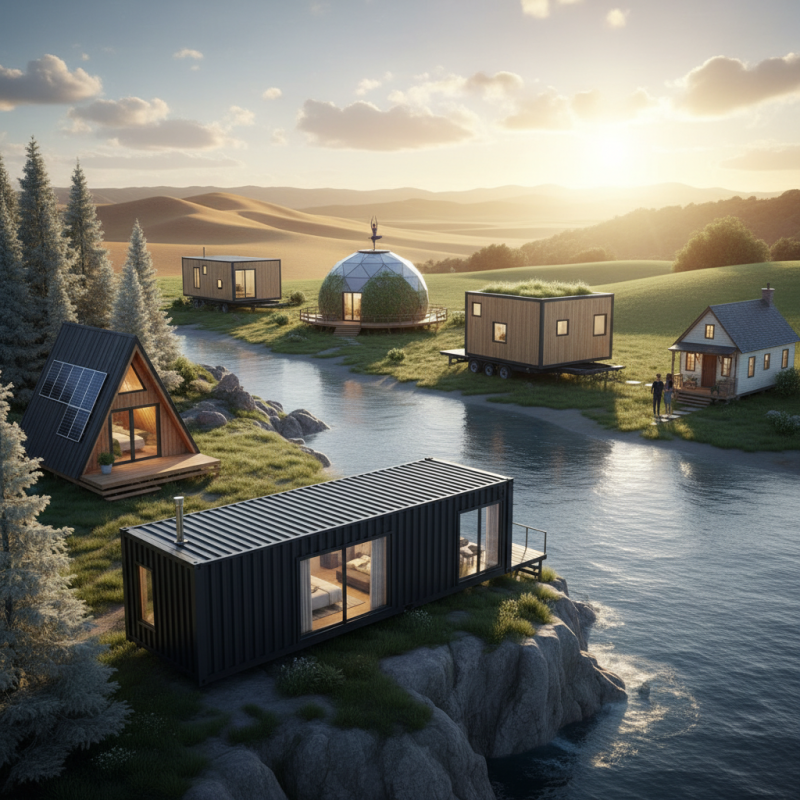
Type of Portable House Size (sq ft) Price Range ($) Mobility Features Sustainability Rating
Tiny House 100 - 400 10,000 - 50,000 Eco-friendly trailers, wheeled bases A
Container Home 160 - 320 15,000 - 60,000 Stackable and transportable B+
Modular Home 500 - 2000 50,000 - 200,000 Sectional units, quick assembly A-
Yurt 100 - 550 5,000 - 30,000 Portable, collapsible frame B
Park Model RV 400 - 500 30,000 - 80,000 Built for mobility, equipped with utilities B-

Current Global Demand Statistics for Portable Housing Solutions

The global demand for portable housing solutions has surged in recent years. According to a comprehensive report by the International Organization for Migration, the portable housing market is expected to grow by over 25% between 2023 and 2028. Many buyers seek flexibility and affordability, which traditional housing often lacks. This trend reflects a broader shift in consumer preferences driven by nomadic lifestyles and remote work opportunities.

Recent statistics illustrate that over 30% of consumers are considering portable houses as viable residential options. In urban areas, where space is at a premium, portable homes offer innovative solutions. A report from the Global Shelter Alliance highlights that a significant proportion of buyers prioritize sustainability and eco-friendly designs. However, challenges remain in public perception and regulatory hurdles. Many prospective buyers still hesitate to invest due to misconceptions about the longevity and safety of portable structures.

Additionally, 45% of industry experts believe that improving the quality of materials used in portable homes could enhance their appeal. Ensuring structural integrity while maintaining flexibility is crucial. The market's growth may depend on addressing these concerns. As the landscape evolves, continuous innovation will be necessary to meet the changing demands of global buyers in the portable housing sector.

Top Portable House Types: Features and Buyer Preferences

Portable houses have gained popularity among global buyers for their versatility and practicality. According to a recent industry report, the portable house market is projected to grow by 25% over the next five years. Many buyers prefer modular designs that can be customized. This reflects a trend where aesthetics meet functionality.

The features that attract global buyers vary widely. For instance, energy efficiency is a top priority for many. A survey indicates that 65% of prospective owners look for homes with sustainable materials and smart technology. Compact living solutions allow for mobility and ease of use, making them appealing to digital nomads and travelers. However, some users report challenges with insulation and durability in varying climates.

While buyer preferences shift towards modern designs, affordability remains a concern. Unique architecture often comes at a premium price. Balancing quality and cost is essential. The decision-making process can be complex due to differing regional regulations and housing standards. Addressing these issues proactively will be vital for potential buyers.

Top Portable House Types and Buyer Preferences

Key Factors Influencing Portable House Prices in Different Regions

Portable houses have gained popularity among global buyers, driven by the need for flexible living solutions. However, pricing varies significantly based on regional factors. Economic conditions play a vital role in determining costs. In countries with lower labor costs, portable homes are more affordable. Conversely, more developed regions may see higher prices due to advanced materials and technologies.

The local regulatory environment is another critical factor. Areas with strict building codes and regulations can face increased costs. Buyers must also consider climatic conditions. For example, regions prone to extreme weather require durable materials, which can drive up prices. Additionally, cultural preferences influence design choices, impacting construction costs. The balance between affordability and quality is often tenuous, leaving buyers with tough decisions.

Lastly, transportation logistics cannot be overlooked. In remote or rural areas, the cost of delivering portable homes can be significant. These extra expenses sometimes lead to frustration among buyers seeking a budget-friendly solution. Understanding these dynamics is crucial when exploring portable house options. Buyers must remain informed and be ready to adapt to regional nuances.

Sustainability and Innovation: The Future of Portable Housing Options

The future of portable housing is bright, driven by sustainability and innovation. With rising global awareness of environmental issues, many buyers seek eco-friendly solutions. Portable homes offer flexibility and minimal environmental impact. They are made from sustainable materials, like recycled steel and reclaimed wood, reducing waste and energy use.

Innovation also plays a crucial role in this sector. New designs incorporate smart technology, enhancing efficiency. Solar panels and rainwater collection systems are common features. These advancements allow for off-grid living and lower utility costs. However, implementing these technologies can be challenging. Not all regions have the same access to renewable resources.

Cost is another factor to consider. While portable homes can be affordable, initial investments in sustainable technologies might be high. Buyers need to weigh the long-term benefits against upfront costs. Understanding local regulations is essential, as they affect construction and usage options. Reflecting on these challenges will lead to better decision-making when considering portable housing.

FAQS

: What are portable houses?

: Portable houses are flexible living options that can be easily moved and adapted to different locations.

What should I check before buying a portable house?

Inspect local regulations, zoning laws, and construction materials to ensure they meet your needs.

Why are portable houses becoming more popular?

Many seek affordable and flexible housing options, especially those who work remotely or travel often.

What challenges do buyers face with portable houses?

Common issues include misconceptions about safety, space limitations, and regulatory hurdles that may arise.

How do regional factors influence portable house pricing?

Economic conditions, building codes, and local climate all play important roles in determining costs.

What is the expected market growth for portable houses?

The portable housing market is projected to grow by over 25% from 2023 to 2028, reflecting consumer trends.

How can transportation logistics affect costs?

Delivering portable homes to remote areas can lead to high shipping expenses, frustrating budget-conscious buyers.

What quality concerns do industry experts have?

Many believe improving material quality could enhance portable homes' appeal and address longevity issues.

How does cultural preference affect portable home design?

Different regions may have unique design expectations that influence construction costs and buyer choices.

What should buyers prioritize when choosing a portable house?

Identifying your space needs and lifestyle preferences can lead to better decisions for layout and design.

Conclusion

The article "Discover the Best Portable House Options for Global Buyers" delves into the evolving world of portable houses, highlighting their definition and current market trends. With a surge in global demand for innovative housing solutions, portable houses have become increasingly popular due to their versatility and affordability. The article examines the various types of portable houses, outlining distinctive features and buyer preferences that cater to a diverse audience.

Additionally, it explores key factors that influence the pricing of portable houses across different regions, including material costs and local regulations. Looking to the future, the article emphasizes sustainability and innovation as critical components driving the development of portable housing options, suggesting that these houses not only meet immediate housing needs but also align with environmental goals. Overall, portable houses represent a significant shift towards flexible and eco-friendly living solutions in response to global housing challenges.


Aria

Aria

Aria is a dedicated marketing professional with a deep passion for innovative strategies and a keen understanding of our company's product offerings. With a wealth of experience in the industry, Aria excels at crafting engaging content that highlights the unique features and benefits of our......