2026 Best Container Residence Options for Global Buyers

Time:2026-07-09 Author:Charlotte
0%

The rise of Container Residence options is changing the landscape of modern living. In 2026, global buyers are exploring unique, sustainable housing solutions. Container homes offer versatility, affordability, and eco-friendliness. They can be tailored to individual tastes, making each residence a personal retreat.

These homes are not without challenges. Buyers must navigate zoning laws and site selection. Some may underestimate the costs involved in converting containers. However, with proper planning and expert guidance, the rewards can be substantial. Many owners report high satisfaction with their innovative living spaces.

The Container Residence market is evolving, driven by creativity and necessity. It invites a diverse range of buyers. Whether seeking a cozy retreat or a minimalist lifestyle, these options appeal to many. As we delve into the best Container Residence choices for the upcoming year, we highlight both the appealing aspects and the potential pitfalls.
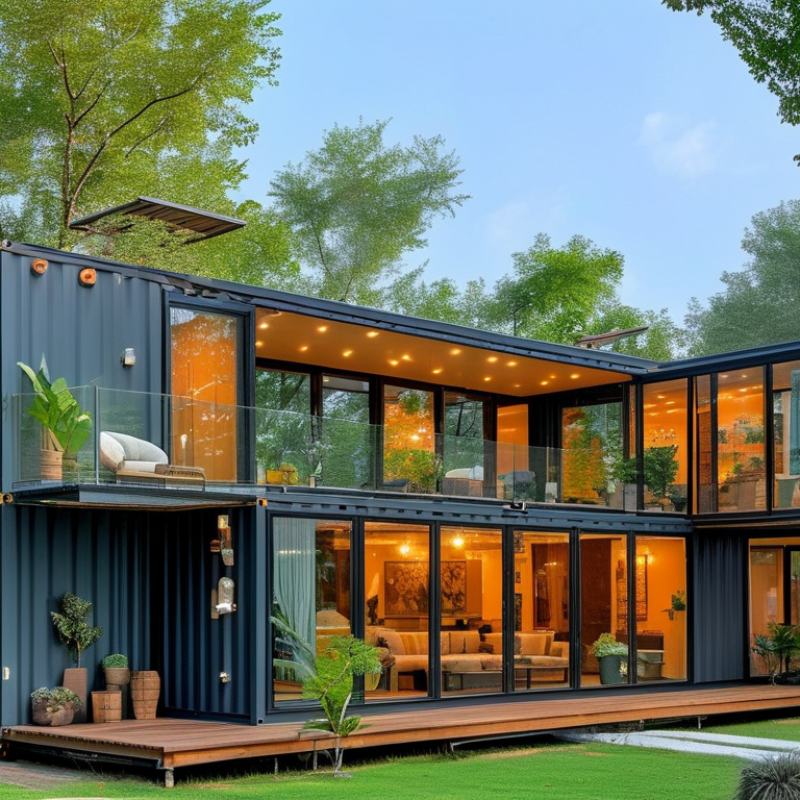
2026 Best Container Residence Options for Global Buyers

Overview of Container Residences: Benefits and Trends

Container residences have gained popularity among global buyers for their unique blend of sustainability and affordability. Recent industry reports indicate a rise in shipping container living solutions, with a market growth rate expected to reach 4.5% annually by 2026. This trend reflects a growing awareness of sustainable living and innovative housing solutions that cater to diverse needs.

The benefits of container residences are numerous. Their modular design allows for flexible configurations, making them suitable for various environments. Additionally, they are often constructed using recycled materials, which appeals to eco-conscious consumers. A study by the National Association of Home Builders highlighted that nearly 30% of potential homebuyers prioritize sustainability in their purchasing decisions. Yet, it's essential to address some challenges. For instance, insulation and ventilation can pose problems, affecting comfort levels in extreme weather.

Regional trends also vary. In urban areas, container homes are often used as affordable housing alternatives. However, rural areas may focus more on unique architectural designs. Buyers should thoroughly research local building codes and zoning laws before committing. This variability can lead to unexpected complexities in installation and utility connections. Ultimately, potential homeowners must weigh the pros and cons of container living as they navigate this evolving market.

Top Container Home Designs for 2026: Key Features and Aesthetics

Container homes are increasingly popular among global buyers in 2026. They offer innovative designs and unique aesthetics. The global market for container homes is projected to grow by 10% annually, reflecting a shift in housing preferences.

One of the standout features in container home designs this year is sustainability. Many designs emphasize energy efficiency through solar panels and green insulation. This results in lower utility bills for homeowners. Research from the Construction Sector Association indicates that eco-friendly homes can reduce energy consumption by up to 30%. However, adopting all green features may increase upfront costs, raising concerns about affordability.

Another trend in container aesthetics is customization. Buyers now seek personalized spaces that reflect their style. Open-concept layouts, large windows, and multi-functional spaces are popular. Despite these advancements, some designs may overlook effective climate adaptation. In regions prone to severe weather, homes need better protection. Striking a balance between aesthetics and practicality remains a challenge for manufacturers and buyers alike.

Global Market for Container Homes: Insights for Buyers

The global market for container homes is rapidly evolving. According to a recent report by Grand View Research, the container home market is expected to reach $73.4 billion by 2027, growing at a CAGR of 6.8%. This growth reflects a rising interest in sustainable living and affordable housing solutions, particularly as urbanization increases worldwide.

Investors are drawn to the flexibility offered by container homes. They can be customized for various purposes, including residential living, offices, and vacation rentals. Despite their appeal, challenges persist. Building regulations vary greatly, and some areas impose strict codes that can complicate installation. These hurdles may deter potential buyers who seek a seamless experience.

Sustainability is a priority for many buyers. Container homes often utilize recycled materials, contributing to lower carbon footprints. However, it's crucial to consider insulation and energy efficiency. Poorly designed containers can lead to higher energy costs. Research indicates that proper insulation can reduce energy consumption by up to 30%. Global buyers should weigh these factors carefully before investing in a container home.

Regulations and Permits: What to Know Before Buying a Container Home

When considering a container home, regulations and permits can be a maze. Each region has its own rules. Local codes may dictate where you can place your container and the size you can use. Zoning laws are critical to understand. Most places require permits before any construction begins. Ignoring this can lead to fines or forced removal.

Before purchasing, research your area’s building codes thoroughly. Consult with local officials to grasp your responsibilities. Some areas may have restrictions on residential use of containers. This could hinder your plans. It’s necessary to analyze land use and environmental concerns. Some properties may not be suitable for container homes due to drainage issues or other land problems.

Planning ahead is vital. Lack of compliance can lead to project delays. Work with professionals experienced in container homes. They can guide you through the permitting process smoothly. A well-informed buyer will avoid costly mistakes. It is essential to factor in these elements to succeed in your container home journey.

Sustainable Container Living: Eco-Friendly Practices and Innovations

In recent years, the trend of sustainable living has gained momentum. Container homes are at the forefront of this movement. Eco-friendly practices are essential for these residences. More than 12 million shipping containers are no longer in use, presenting a unique solution. They offer a sustainable alternative to traditional housing.

Innovations in energy efficiency play a critical role. Container homes can be equipped with solar panels, reducing energy costs. A report from the United Nations predicts that by 2030, global energy consumption will rise by 50%. Using renewable energy sources is more important than ever. Rainwater harvesting systems are also popular among container homeowners. They help conserve water and reduce reliance on municipal supplies.

Despite the benefits, there are challenges to consider. Not all containers are suitable for living. Some may contain harmful substances. Proper insulation and ventilation are crucial for comfort. Many buyers overlook these aspects initially. Sustainable living isn’t just about building; it’s about ensuring a safe, healthy home environment. Adopting eco-friendly practices requires careful planning and commitment.

FAQS

: What are the main benefits of container residences?

: Container residences are sustainable, modular, and often affordable, appealing to eco-conscious buyers.

How do container homes fit into different environments?

Their flexible design allows for various configurations suitable for both urban and rural areas.

What should buyers know about sustainability?

Many buyers prioritize sustainability, with 30% seeking eco-friendly options. However, challenges exist.

What regulations should I consider?

Each region has unique building codes and zoning laws. Research them before purchasing a container home.

Can I face penalties for not following regulations?

Yes, ignoring permits can result in fines or removal of the container home. Compliance is essential.

What challenges do container homes face in extreme weather?

Insulation and ventilation issues can arise, impacting comfort in hot or cold climates.

Are container homes suitable for rural areas?

Yes, rural areas often offer opportunities for creative designs. Yet, local regulations must be examined.

How can I ensure a smooth permitting process?

Consult professionals experienced in container homes to navigate the permitting maze effectively.

Is it necessary to assess land suitability?

Absolutely. Drainage issues or environmental concerns can affect the feasibility of a container home.

What role do local officials play in my home project?

Consulting local officials helps clarify responsibilities and ensures compliance with local building requirements.

Conclusion

The article "2026 Best Container Residence Options for Global Buyers" provides a comprehensive overview of container residences, highlighting their benefits and current trends in the housing market. It discusses the increasing popularity of container homes due to their affordability, flexibility, and sustainability. Additionally, the article presents top design features and aesthetic possibilities for container residences in 2026, catering to diverse buyer preferences.

Insights into the global market for container homes offer valuable information for potential buyers, while also addressing essential regulations and permits necessary for purchasing and building these structures. The piece emphasizes eco-friendly practices and innovations in sustainable container living, underscoring the importance of environmentally responsible options in modern housing. Overall, the article serves as an informative guide for global buyers interested in exploring the potential of container residences.


Charlotte

Charlotte

Charlotte is a seasoned marketing professional with a deep understanding of the company's portfolio and a passion for elevating its presence in the market. With a keen eye for detail and a commitment to excellence, she ensures that our professional blog is regularly updated with insightful articles......