Top 5 Benefits of Living Container House for Sustainable Living?

Time:2026-06-04 Author:Sienna
0%

Living Container Houses have gained popularity among sustainability enthusiasts. These innovative homes repurpose shipping containers, offering a practical solution to housing needs. They promote eco-friendly living while minimizing waste. Many individuals are drawn to the unique aesthetic and design flexibility these containers provide.

One key benefit of Living Container Houses is their reduced environmental impact. By repurposing materials, they help decrease the demand for new resources. Additionally, their compact structure often leads to lower energy consumption. This makes them an excellent choice for those wanting to lessen their carbon footprint.

However, living in a container home isn't without its challenges. Insulation becomes crucial to maintain a comfortable temperature. Without proper planning, aesthetics may suffer. Despite these imperfections, the benefits of Living Container Houses continue to inspire many to explore sustainable living options.
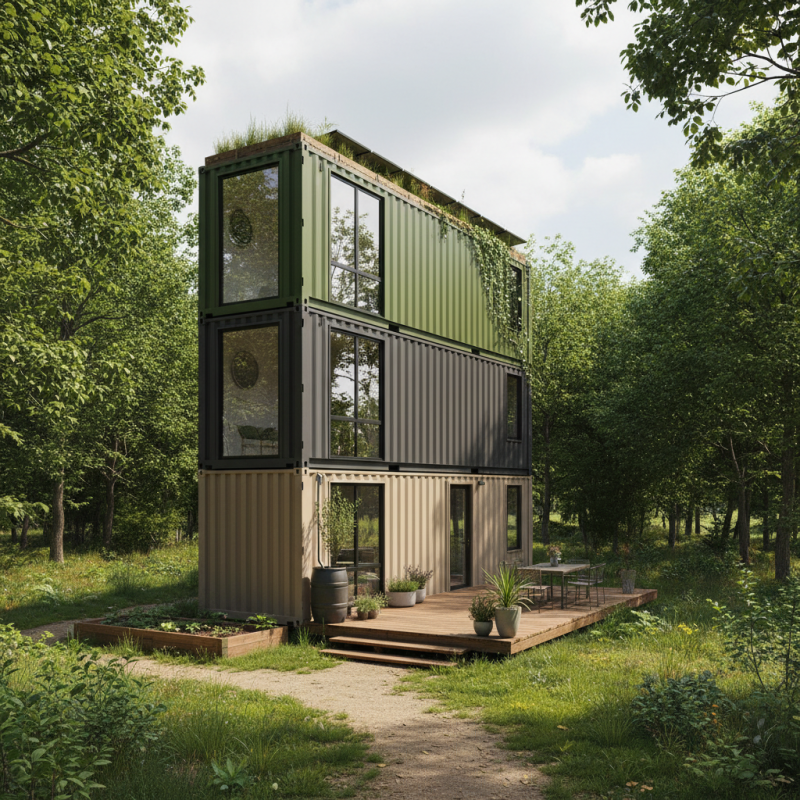
Top 5 Benefits of Living Container House for Sustainable Living?

Benefits of Container Houses for Eco-Friendly Living

Container houses offer a unique path to eco-friendly living. These homes are typically made from repurposed shipping containers. This repurposing reduces waste and makes effective use of materials. It addresses the high demand for affordable housing solutions. Container houses often have excellent insulation. This helps reduce energy costs, which is beneficial for both homeowners and the environment.


Living in a container house encourages a simpler lifestyle. The smaller space requires downsizing and mindful purchasing. This shift can lead to a more intentional way of living. However, limited space might be challenging for larger families. It forces residents to rethink their needs and prioritize what truly matters. With proper design, container houses can blend functionality and style. They can include solar panels, rainwater harvesting, and energy-efficient systems.


Despite the advantages, container houses come with challenges. Insulating containers properly takes careful planning. Not every design suits every climate. Some potential homeowners may find it difficult to navigate zoning laws and building codes. It’s crucial to research local regulations. Always weigh the pros and cons before making decisions. Embracing container housing can lead to a sustainable future, but it demands consideration and commitment.

Cost-Effectiveness of Container Homes Compared to Traditional Housing

Container homes are increasingly recognized for their cost-effectiveness compared to traditional housing. One key advantage lies in the initial savings. Containers are generally less expensive than building a new home from scratch. This affordability allows homeowners to invest in additional features, such as energy-efficient appliances or sustainable materials. Many people appreciate this option for their first home or as a budget-friendly alternative.

Moreover, the time required for construction is significantly reduced. Container homes can be quickly transformed with minimal labor. This efficiency can lead to lower labor costs, which is often a large portion of the budget for traditional homes. However, while container homes offer unique financial benefits, they may present challenges. For example, insulation and ventilation might not be as effective as in conventional houses. Homeowners must be prepared to address these issues to ensure comfort.

In addition, there may be zoning and building codes that complicate the process. Potential buyers should research local regulations carefully. Understanding these requirements can prevent unexpected expenses later on. Container homes bring a fresh perspective to sustainable living, yet they require thoughtful planning to maximize their advantages.

Energy Efficiency and Sustainability in Container House Design

Living in a container house has gained traction as a sustainable housing option. Energy efficiency is a key aspect of container house design. These homes often utilize insulation materials that outperform traditional homes. An insulated container can reduce energy costs by 20%-30%, as reported by the U.S. Department of Energy. They can stay cool in summer and warm in winter, minimizing the need for heating and cooling systems.

However, container homes are not without challenges. One must consider the initial costs and carbon footprint associated with transporting containers. While sourcing containers locally reduces impact, it’s not always feasible. Additionally, proper insulation and ventilation are crucial; otherwise, condensation can lead to mold growth, compromising air quality.

Tips for effective energy use include installing solar panels to maximize renewable energy. Utilizing natural light through strategically placed windows can cut lighting costs. Lastly, consider rainwater harvesting systems; they can supply water and reduce reliance on municipal sources. By prioritizing energy-efficient designs, container homes can significantly contribute to a sustainable lifestyle while also offering personal comfort.

Top 5 Benefits of Living Container House for Sustainable Living

Benefit Description Environmental Impact
Energy Efficiency Container houses can be designed for maximum energy efficiency, reducing heating and cooling needs. Lower energy consumption leads to reduced carbon footprint.
Sustainability Utilizing recycled shipping containers minimizes waste and promotes sustainable living practices. Promotes circular economy and reduces landfill use.
Cost-Effective Container houses are generally more affordable to build than traditional houses. Less resource-intensive construction supports sustainability.
Durability Containers are designed to withstand harsh conditions, which translates to longevity in housing. Reduced need for frequent replacements, lowering material use over time.
Flexible Design Container houses offer modular design options that can adapt to various needs. Flexible use reduces urban sprawl by optimizing land use.

Flexibility and Customization Options for Container House Owners

Container houses offer fantastic flexibility and customization options for their owners. They can be designed to fit various lifestyles and personal tastes. Imagine transforming a shipping container into a cozy studio or a spacious family home. With creative architectural designs, container homes adapt to different needs and preferences. The open floor plan allows for innovative furniture arrangements and unique room layouts.

Customization doesn’t stop at design. Owners can choose sustainable materials for insulation, lighting, and plumbing. Solar panels can be installed, maximizing energy efficiency. Container homes can evolve with your lifestyle, adapting to your current needs. You might start small and later add more containers as your family grows. This adaptability is appealing for those looking to live sustainably without sacrificing comfort or style.

However, the journey of creating a container home can be challenging. Local regulations may impose limitations on what you can build. It’s crucial to research and consult with experts who understand zoning laws and building codes. Owners may also face unexpected construction hurdles, which require a flexible mindset. Embracing these challenges is part of the container living experience, making it truly unique.

Reduced Environmental Impact of Container Homes on Urban Planning

The rise of container homes reflects a growing trend towards sustainable living. These homes are not just affordable; they also significantly reduce environmental impact. They utilize recycled materials, which limits waste and promotes eco-friendliness. In urban planning, this approach can alleviate housing shortages and lower carbon footprints.

However, there are challenges with container living. Insulation can be an issue, leading to temperature fluctuations. Proper planning and design are crucial for comfort. This is where expert input is invaluable. Collaborating with architects who specialize in container homes can ensure the structural integrity and livability of these unique spaces.

Tips for creating a sustainable container home include using solar panels to reduce energy costs. Consider rainwater harvesting systems for irrigation. Carefully selecting your site can enhance natural light and ventilation. Local building codes might restrict certain designs, so thorough research is necessary. Embrace the simplicity of container living, but remain aware of your local regulations and environmental considerations.

FAQS

: What is a container house?

: A container house is made from repurposed shipping containers. It promotes eco-friendly living.

What are the benefits of living in a container house?

They reduce waste and energy costs. They also encourage a simpler and more intentional lifestyle.

Are container houses affordable?

Yes, they are often less expensive than traditional homes. This allows for investment in sustainable features.

What challenges come with container houses?

Insulation and ventilation can be tricky. Zoning laws and building codes may complicate construction.

Can container houses be customized?

Absolutely. Owners can design their homes to fit personal tastes and choose sustainable materials.

How does living in a container house affect families?

Limited space can be tough for larger families. It forces a rethink of needs and priorities.

How quick is the construction of a container house?

Construction is faster than traditional homes. This efficiency can save on labor costs.

What energy-efficient features can be added?

Solar panels and rainwater harvesting systems can enhance efficiency. These features support sustainable living.

Why is proper planning crucial for container houses?

It helps ensure effective insulation and compliance with local regulations, preventing unforeseen expenses.

What mindset is needed for container home owners?

Flexibility is key. Unexpected challenges can arise, making an open attitude important during the process.

Conclusion

Living Container Houses offer numerous benefits for those seeking sustainable living solutions. One of the primary advantages is their cost-effectiveness compared to traditional housing. These homes are often more affordable to build and maintain, making them an attractive option for budget-conscious individuals. Additionally, the design of container houses promotes energy efficiency and sustainability, utilizing innovative materials and technologies to minimize environmental impact.

Moreover, Living Container Houses provide flexibility and customization options, allowing owners to tailor their homes to fit their unique needs and preferences. This adaptability is particularly beneficial in urban planning, as container homes can be easily integrated into diverse neighborhoods, reducing the overall environmental footprint. By choosing a container house, individuals not only embrace a modern lifestyle but also contribute positively to the planet's sustainability efforts.


Sienna

Sienna

Sienna is a skilled marketing professional with a deep expertise in our company’s core products and services. With a passion for innovation and detail, she plays a pivotal role in crafting insightful blog posts that not only highlight the unique features of our offerings but also provide valuable......