What Are the Benefits of a Granny House for Modern Living?

Time:2026-05-25 Author:Aria
0%

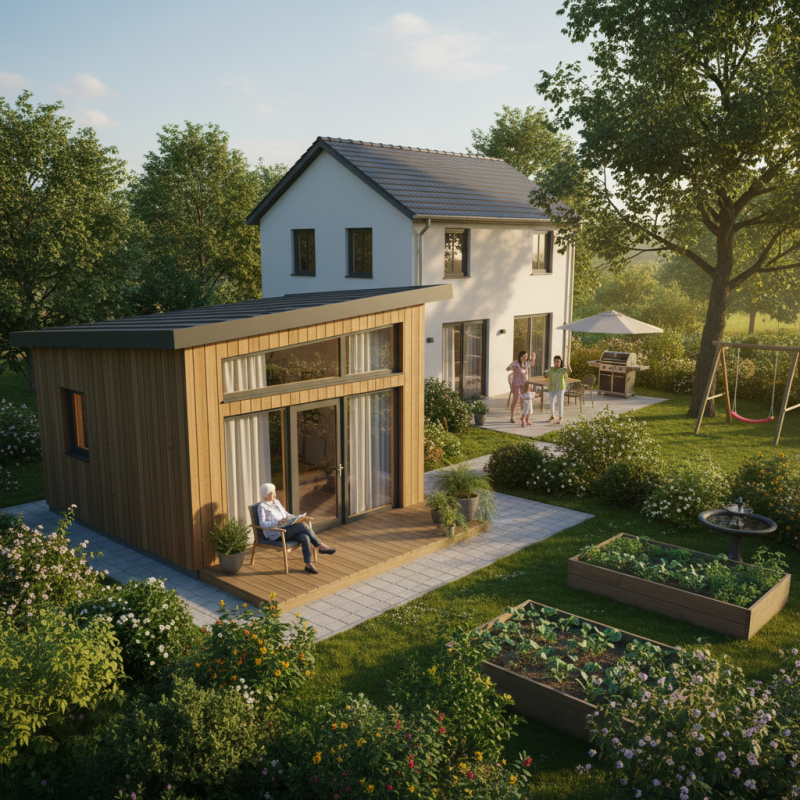
In recent years, the concept of the "Granny House" has gained attention as a viable housing solution. This type of small, secondary dwelling is often located on the same property as a family home. According to a report by the Joint Center for Housing Studies at Harvard University, around 15% of American homeowners consider building an accessory dwelling unit (ADU) like a Granny House.

The appeal of a Granny House lies in its versatility. It provides independent living for elderly family members, allowing them to maintain privacy while remaining close to loved ones. Moreover, a recent survey by AARP indicates that 87% of seniors prefer to age in place within their community. This trend highlights the importance of adaptable, multigenerational living spaces.

However, there are challenges to consider. Zoning laws can restrict the construction of Granny Houses in certain areas. Some homeowners may also face financial hurdles. Despite these drawbacks, the benefits of a Granny House, such as increased property value and enhanced familial ties, make it a worthy consideration for modern living.
What Are the Benefits of a Granny House for Modern Living?

Benefits of Granny Houses for Enhanced Family Cohesion

Granny houses offer a unique opportunity to enhance family cohesion. These small, self-contained units provide space for elderly relatives while maintaining necessary independence. Families can bond more easily when everyone lives nearby. Caregivers can offer support without intruding on their relatives' privacy, creating a sense of belonging.

When considering a granny house, think about accessibility. Ensure that essential amenities are easy to reach. Also, include common areas that invite family gatherings and interactions. This fosters connection and creates shared moments, whether it's a cozy dinner or game night.

Communication is vital. Establish boundaries and encourage open dialogue about needs and expectations. This can lead to stronger relationships and reduce misunderstandings. Families may need to reflect on their dynamics to make this arrangement work effectively. It might not be easy at the start, but the rewards can be profound.

What Are the Benefits of a Granny House for Modern Living? - Benefits of Granny Houses for Enhanced Family Cohesion

Benefit Description Impact on Family Cohesion
Increased Privacy Allows family members to have their own space while staying close. Encourages independence while fostering stronger family bonds.
Multigenerational Living Facilitates living arrangements for extended families. Promotes family unity and shared support among generations.
Cost-Effective Housing Reduces housing costs by utilizing available land. Improves family financial stability and reduces stress.
Enhanced Support Systems Provides caregivers with immediate help and assistance. Strengthens relationships and emotional support within the family.
Flexible Living Arrangements Easily adapts to changing family needs and dynamics. Encourages ongoing family interactions and mutual care.

Financial Advantages of Adding a Granny House to Your Property

Adding a granny house to your property can provide various financial benefits. Recent studies indicate that properties with additional dwelling units (ADUs) can see up to a 30% increase in value. This space often appeals to potential buyers looking for rental income or multigenerational living options. With rising housing costs, a granny house offers a practical solution by providing a lower-cost living alternative.

Rental income is another significant advantage. A granny house can be rented out to tenants, generating monthly income. According to a 2022 report, the average rent for a one-bedroom unit is about $1,500 in many urban areas. This income can help offset mortgage payments or property taxes. Moreover, Airbnb and short-term rentals are also viable options, allowing homeowners to maximize their investment.

Tips: When planning your granny house, consider sustainable designs. Not only do they reduce utility costs, but they also appeal to eco-conscious renters. Evaluate local zoning laws — navigating these can save money and prevent future headaches. Building with durable materials can also minimize long-term maintenance costs. It's all about making prudent choices that enhance value over time.

Improved Privacy and Independence for Multi-Generational Living

Granny houses offer a unique solution for multi-generational living. They provide improved privacy and independence, key factors for families living together. According to a report by the National Association of Home Builders, nearly 40% of households are multi-generational. This trend signifies a shift in how families structure their living arrangements.

Living in close quarters can create tensions. A granny house addresses this by offering a separate living space. This autonomy allows adult children to care for aging parents while still maintaining personal space. The AARP found that 87% of older adults prefer to age in place. A separate dwelling helps facilitate this environment.

While granny houses are beneficial, some challenges exist. Zoning laws may limit construction and privacy concerns can arise. However, planning ahead can alleviate these issues. A well-designed granny house enhances family connections while respecting individual needs. With a thoughtful approach, families can harness the advantages of this living arrangement.

Sustainable Living and Eco-Friendliness of Granny Houses

Granny houses are gaining popularity as sustainable living solutions. These small, secondary homes offer an eco-friendly alternative to traditional housing. According to a report by the American Institute of Architects, smaller homes consume 40% less energy than their larger counterparts. This energy efficiency is key to reducing carbon footprints.

Building a granny house also means using fewer resources. Often constructed from sustainable materials, these homes often feature energy-efficient appliances and solar panels. A study from the National Renewable Energy Laboratory indicates that homes with solar power can reduce energy costs by up to 70%. This not only helps the environment but also provides financial savings for homeowners.

However, some challenges exist. Zoning laws may restrict the construction of granny houses. This can create frustration for those wishing to downsize or create rental space. Additionally, the initial costs, though lower in the long run, may deter potential builders. As the movement grows, these issues need addressing to maximize the benefits of granny houses in sustainable living.

Flexible Space Usage: Options for Work, Leisure, and Guests in Granny Houses

Granny houses offer versatile spaces that adapt to different lifestyle needs. These small dwellings can serve multiple purposes, making them ideal for modern living. Whether you need a home office, a leisure area, or extra accommodations for guests, granny houses provide the flexibility to meet various demands.

When it comes to work, having a separate space can enhance focus and productivity. A quiet corner can transform into an efficient workspace. Many people find it difficult to concentrate when working from home. Setting boundaries with a granny house can help. On the leisure side, these spaces can host game nights, art studios, or cozy reading nooks. It allows for creativity and relaxation without disrupting the main household.

Moreover, inviting guests can be challenging in traditional homes. Granny houses provide a private escape for visitors. However, it’s essential to consider whether this extra space will be used effectively. Overspending on features not utilized regularly can lead to clutter. Reflecting on the true purpose of a granny house can help create a space that enhances daily life while addressing potential shortcomings.

FAQS

: What are the financial benefits of adding a granny house?

: A granny house can increase property value by up to 30%. It appeals to buyers seeking rental income or multi-generational living.

How much rental income can I expect from a granny house?

You can earn about $1,500 monthly for a one-bedroom unit in urban areas. This income helps with mortgage payments or property taxes.

Can I use my granny house for short-term rentals?

Yes, options like Airbnb can maximize your investment. They provide flexibility and generate additional income.

What should I consider when planning a granny house?

Focus on sustainable designs to reduce utility costs. Also, consider local zoning laws to avoid complications.

How can a granny house improve family dynamics?

It offers improved privacy and independence for multi-generational living, reducing potential tensions within the household.

What challenges might I face with a granny house?

Zoning laws may limit construction, and privacy concerns can arise. Planning carefully can help navigate these issues.

What materials should I use for building a granny house?

Choose durable materials to minimize long-term maintenance costs. This decision can impact the overall value over time.

Are there any downsides to having a granny house?

Yes, challenges such as zoning limitations and privacy issues can occur. Thoughtful planning is essential to mitigate these concerns.

How does a granny house facilitate aging in place?

It provides a separate living space for older adults. This setup allows them to maintain independence while receiving family support.

What is the trend in multi-generational households?

Nearly 40% of households are now multi-generational. This indicates a shift in family living arrangements and dynamics.

Conclusion

Granny Houses offer a multitude of benefits that cater to modern living needs, especially for multi-generational families. They enhance family cohesion by providing a separate yet close living space, allowing family members to maintain strong connections while enjoying personal privacy and independence. Additionally, the financial advantages of adding a Granny House to one’s property can be significant, as it often increases the overall property value and can serve as a source of rental income.

Furthermore, Granny Houses support sustainable living practices, as they typically require fewer resources for construction and can be designed with eco-friendly materials. Their flexible space usage allows for various applications, whether for work, leisure, or hosting guests, making them a versatile solution for contemporary housing challenges. Overall, Granny Houses embody a progressive approach to living, merging comfort, independence, and practicality.


Aria

Aria

Aria is a dedicated marketing professional with a deep passion for innovative strategies and a keen understanding of our company's product offerings. With a wealth of experience in the industry, Aria excels at crafting engaging content that highlights the unique features and benefits of our......