Buying a Container Toilet is not simply a matter of choosing the lowest quoted price. It is a practical sanitation decision involving capacity, hygiene, transport, servicing, and user safety. The WHO and UNICEF Joint Monitoring Programme reported that 3.5 billion people lacked safely managed sanitation in 2022. That figure shows why reliable, adaptable toilet systems remain important for construction sites, events, remote facilities, and emergency accommodation.
Standards matter. ISO 30500 addresses non-sewered sanitation systems, including treatment performance, safety, and operational requirements. EN 16194 also provides guidance for portable toilet cabins, placement, servicing, and hygiene management. These references cannot replace local approval or professional inspection. They can, however, help buyers ask better questions about waste storage, ventilation, handwashing, cleaning access, and structural strength.
Look closely at the details. A narrow service door can complicate pumping. A shallow waste tank may require frequent collection. Poor ventilation can leave condensation on the walls and unpleasant odors inside. Small design choices matter.
No checklist is perfect.
A responsible buyer should compare the container’s intended users, daily traffic, climate, foundation, delivery route, and maintenance plan. Product brochures often highlight appearance, but they may say little about lifetime servicing costs. That is where careful questioning becomes valuable. The following ten tips examine specifications, materials, compliance evidence, sanitation features, supplier experience, installation demands, and long-term value. Some recommendations may seem obvious. In practice, they are often overlooked. A dependable Container Toilet should work on the difficult day, not only in a showroom.
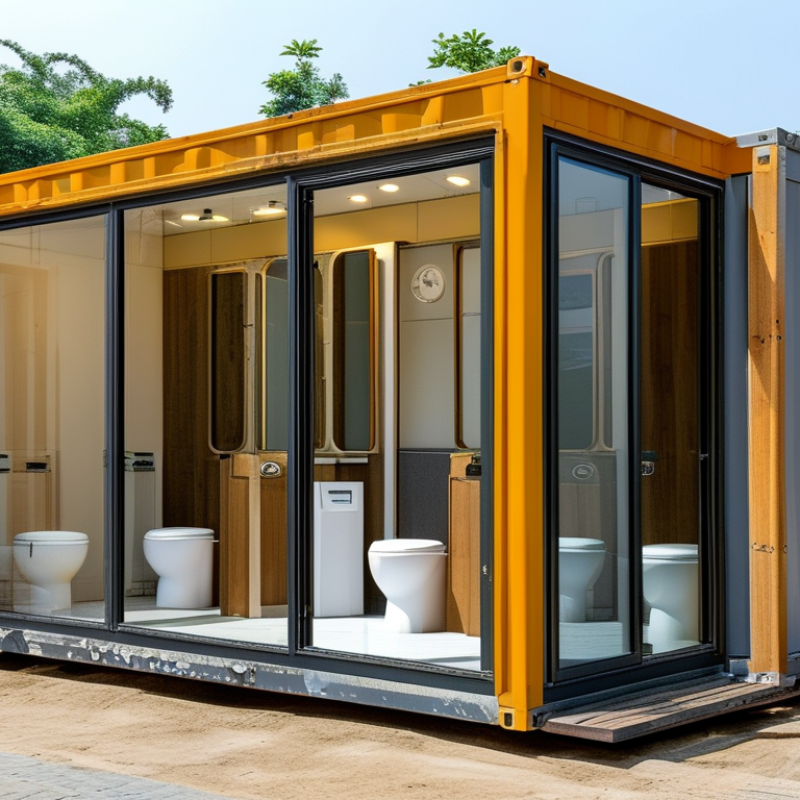
Before buying a container toilet, define exactly how and where it will be used. A weekend event needs different capacity than a remote worksite. Count daily users, operating hours, and expected peak periods. Include children, older adults, and people with limited mobility. A narrow entrance can become a serious problem.
Decide whether the unit will serve short-term, seasonal, or permanent sanitation needs. Check the available space, ground stability, drainage, water access, and electrical supply. Some models rely on water, while others use dry or low-water systems. Waste storage capacity matters more than appearance. I once underestimated usage at a small outdoor project, and servicing became necessary earlier than planned. That mistake changed my buying checklist.
Ask how cleaning will happen during real operation. Look for smooth, washable surfaces, secure doors, useful ventilation, and lighting for evening use. Confirm how odors are controlled in hot weather. Request clear maintenance instructions and a realistic servicing schedule. The waste system should be handled through approved local services. Do not assume one configuration fits every site. A toilet that works beside a quiet construction area may fail at a crowded public gathering. Measure turning space carefully, especially if accessibility is part of the requirement. Leave room for handwashing, cleaning equipment, and safe technician access.
| No. | Buying Tip | Use-Case Question | Practical Specification or Benchmark | Why It Matters | Recommended Action |
|---|---|---|---|---|---|
| 1 | Define the sanitation purpose | Is the toilet for an event, construction site, emergency response, remote worksite, or long-term accommodation? | Temporary and mobile use generally prioritizes rapid deployment; long-term use requires stronger drainage, ventilation, insulation, and maintenance provisions. | A toilet designed for short-term use may not provide the durability or comfort required for permanent occupancy. | Write a one-sentence use case before comparing models. |
| 2 | Estimate daily users and peak demand | How many people will use the unit, and how many may need it during the busiest hour? | For event planning, a common starting point is approximately 1 toilet per 50–100 users for a short event, with more capacity needed for longer events, food service, alcohol consumption, or limited access to alternatives. | Peak queues, not average daily use, often determine the required number of units. | Calculate average users, peak users, event duration, and expected service frequency. |
| 3 | Choose the waste-management method | Will waste go to a holding tank, sewer connection, treatment system, composting chamber, or replaceable container? | Holding tanks require scheduled emptying; sewer-connected units require compatible pipework; dry or composting systems require controlled ventilation and a defined emptying procedure. | The waste system determines installation complexity, operating cost, odor control, and legal requirements. | Confirm the disposal route and local approval requirements before purchase. |
| 4 | Check available space and access | Can the container reach the site, and is there enough room for users, service vehicles, and maintenance? | Verify external dimensions, door clearance, turning radius, lifting points, ground bearing capacity, and access for delivery or waste removal equipment. | A unit that fits the site but cannot be delivered, emptied, or repaired is not operationally suitable. | Request a dimensioned layout showing the unit, access route, utilities, and service area. |
| 5 | Plan for plumbing and water supply | Does the site have reliable water pressure, drainage, or a suitable alternative? | Flush systems need water supply and wastewater handling. Where water is limited, low-flush, vacuum, urine-diverting, or dry systems may reduce consumption, subject to local rules. | Water availability affects hygiene, operating continuity, winter protection, and installation cost. | Measure water pressure and identify the drainage connection before selecting a flush configuration. |
| 6 | Prioritize ventilation and odor control | Will the toilet be used in a hot climate, enclosed area, or high-traffic location? | Look for dedicated air inlets, an exhaust path, sealed waste connections, cleanable surfaces, and optional mechanical ventilation where passive airflow is insufficient. | Good airflow reduces moisture, odors, condensation, and user complaints. | Review the ventilation route and ensure exhaust air will not enter occupied buildings. |
| 7 | Include accessibility and privacy features | Will children, older adults, wheelchair users, or people with limited mobility use the facility? | Consider step-free access, adequate turning space, grab bars, outward-opening doors, contrasting surfaces, an accessible alarm, and compliance with applicable accessibility standards. | Accessibility is a safety and legal issue, not simply an optional comfort upgrade. | Use the accessibility requirements applicable to the installation country and project type. |
| 8 | Evaluate climate protection | Will the unit face freezing temperatures, intense heat, heavy rain, humidity, or coastal exposure? | Check insulation, roof drainage, corrosion-resistant materials, freeze protection for pipes and tanks, non-slip flooring, and ventilation for humid conditions. | Climate-related failures can stop service and cause water damage or sanitation hazards. | Match the enclosure, pipe protection, and heating or cooling provisions to the site climate. |
| 9 | Compare cleaning and maintenance needs | Who will clean the toilet, remove waste, inspect components, and respond to faults? | Prioritize washable, non-porous finishes; accessible service panels; replaceable seals; clear tank-level indicators; and documented cleaning intervals. | Simple maintenance improves hygiene, reduces downtime, and makes operating costs more predictable. | Request a maintenance schedule, spare-parts list, cleaning chemical guidance, and service access diagram. |
| 10 | Calculate total cost of ownership | What will the toilet cost to install, operate, service, relocate, and eventually dispose of? | Include purchase or rental cost, transport, foundations, plumbing, electrical work, water, waste removal, cleaning labor, replacement parts, permits, and end-of-life handling. | The lowest purchase price may become expensive if it requires frequent pumping, specialist repairs, or major site work. | Compare estimated costs over the full project period rather than comparing equipment price alone. |
: Count daily users, peak hours, operating days, and servicing intervals. Leave reserve capacity for delays. Do not guess. A small tank may require frequent pumping, creating extra cost and disruption.
Measure ground stability, drainage, water access, electrical supply, and available space. Check the route from delivery access to the final position. A narrow gate can stop installation completely.
Measure doorways, turning space, ceiling clearance, lifting height, and technician access. Allow room for handwashing and cleaning equipment. Measure twice.
Include wheelchair turning space, suitable door clearance, stable flooring, and practical seat height. Consider older adults and users with limited mobility. A cramped entrance becomes a serious problem.
Look for corrosion-resistant frames, UV-stable panels, sealed joints, and non-slip flooring. Inspect welds, hinges, locks, floor edges, and lifting points. Check water-tightness after rain, not only under showroom lighting.
Dry systems save water but depend on strong seals and ventilation. Composting systems need balanced moisture and steady airflow. Water-flush systems feel familiar but use more water. Choose based on actual site conditions.
Inspect the vent path, fan position, filter access, and tank seals. Keep the waste area shaded when possible. Heat increases odor and pressure buildup. A quiet fan may still need stronger airflow.
Request clear cleaning instructions and a realistic servicing schedule. Check seals, filters, tank connections, and ventilation regularly. Budget for replacement parts. Small leaks spread. I once underestimated usage, and servicing became necessary much earlier than expected.
Choosing the right Container Toilet begins with clearly identifying your sanitation needs, intended location, user volume, and expected frequency of use. Consider the unit’s capacity, dimensions, materials, and structural durability to ensure it can withstand daily operation and the surrounding environment. A suitable design should also fit available space while providing reliable performance and user comfort.
Before purchasing, compare waste management systems, water consumption, flushing options, and odor-control features. Review installation requirements, cleaning procedures, maintenance needs, safety features, and accessibility for different users. It is also important to calculate the total cost, including delivery, installation, servicing, and replacement components. Finally, check relevant certifications, warranty coverage, response times, and the supplier’s technical support. A careful evaluation of these factors will help you select a dependable Container Toilet that is practical, hygienic, cost-effective, and suitable for long-term use.

 HUA KE HOUSE